Unknown's avatar

About PMI Properties

PMI is a thirty year old property investment company located in Beverly Hills/Bel Air that invests in commercial and residential real estate. Since its founding in 1978, PMI Properties has closed over $500 million in office, shopping center, industry and apartment properties throughout Los Angeles and San Francisco. PMI's most recent endeavors have focused on pioneering creative office suites in office buildings and converted warehouses.These properties have been primarily located in Los Angeles and recently in San Francisco. PMI had its roots in investing in apartments, but more recent investments have focused towards offices, creative offices and converted warehouses. PMI was the first to pioneer a new, creative suite in office buildings with its proprietary "lifestyle suites," which featured skylights, partial hardwood floors, designer lighting, raised ceilings, interior glass, and other upgrade features. PMI pre-built the suites in an efficient and generic floor plan that not only achieved a premium, but also rented faster than suites requiring build-to-suit modifications. PMI was also one of the first to convert warehouse industrial facilities into flex creative space prior to the Internet boom. Today, PMI's suites are some of the most coveted creative offices on the market. Subscribe to get our newsletter and blogs for free! http://eepurl.com/hG0V2

Jeff Palmer Participates in a Creative Office Panel With Major Office Developers

On Tuesday, May 12, Jeffrey Palmer spoke on Bisnow’s Panel on Creative Office in Los Angeles.  Representatives of Bixby Land Company, Tishman, and Clarion Partners joined Jeff on the panel. These developers who joined Jeff on the panel not only build Creative Office buildings but also build and redevelop large scale creative office campuses.

Creative office is no longer the purview of just the small boutique developer.  Creative office is now mainstream.  The moderator for the event, Pete Roth of Allen Matkins, agreed with this sentiment and made the argument that creative office has gone global.

Pete Roth posed the question to the panel about opportunities for others to take advantage of the creative synergy that now exists in Playa Vista after many major creative company behemoths have moved there like Google, Yahoo, Sony Playstation, Verizon, and 72 and Sunny.  The large developers argued that the opportunities have now passed because the large tracts of land in Playa Vista are gone.  However, Jeffrey Palmer disagreed.  Jeff now predicts a wave of smaller developers coming to Playa Vista to redevelop the retail and industrial properties in and around the area.  Jeff also distinguishes creative offices, which describe an aesthetic, from collaborative team based offices, which describe office layouts and furniture.

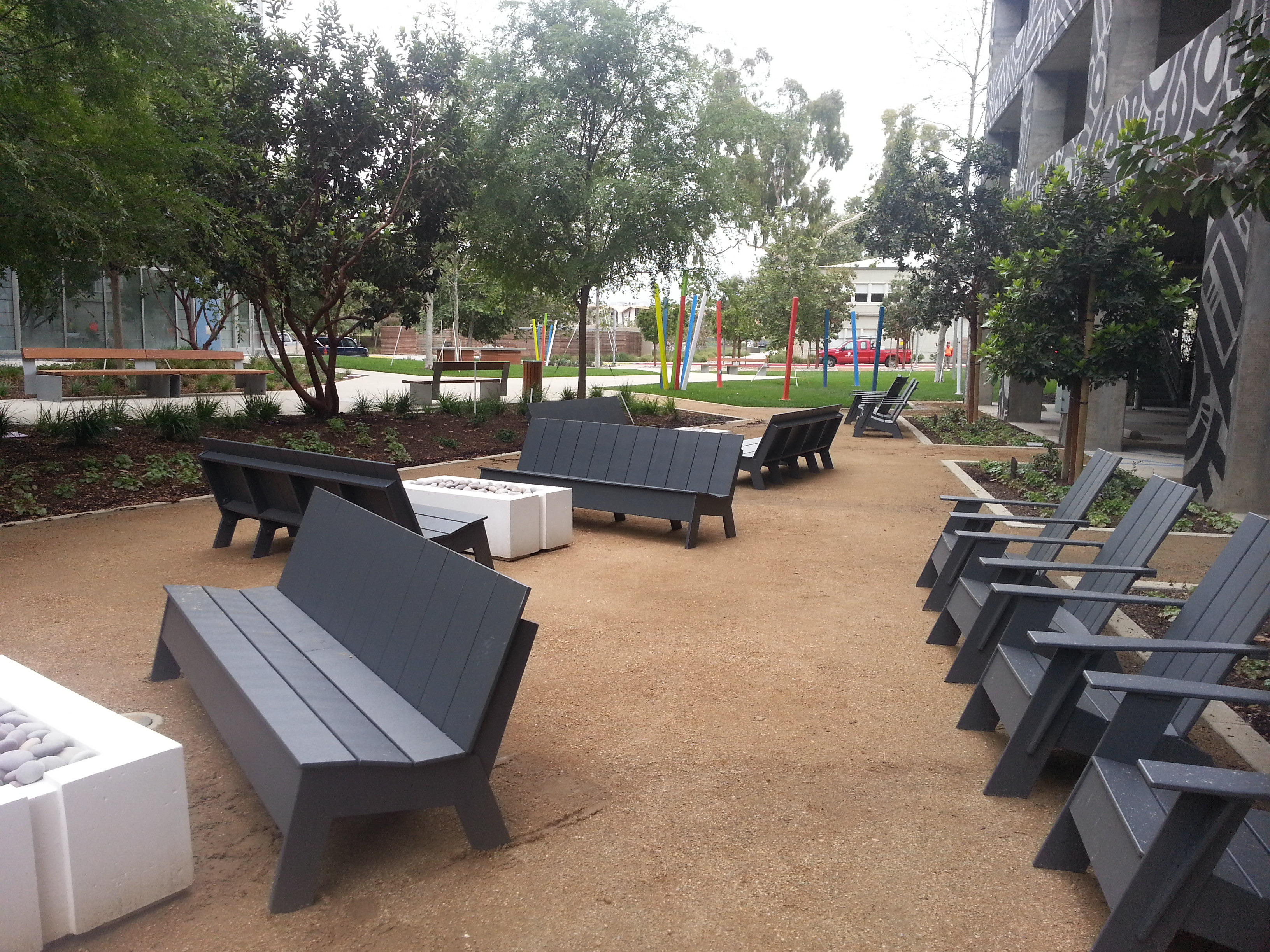
Clarion Partners hired Gensler to redesign and re-brand a conventional 300,000 square foot Playa Vista office building into a creative office campus.  Gensler successful accomplished this feat by adding an exterior stairway, painted designs, and roll up doors on the ground floor.  The most successful feature of all included using the grounds to create an interesting “boutique hotel rooftop” like outdoor space for creative workers with fire pits, work bars, and conversational seating.

New Outdoor Furniture and Landscaping at I/O Playa Vista

New Outdoor Furniture and Landscaping at I/O Playa Vista

Tishman is building a 300,000 square foot creative office park in Playa Vista from the ground up.  The campus will include over 15 different outdoor furnished spaces.  The new buildings will resemble modern versions of a bow truss warehouse.

Under Construction Playa Vista Office Building designed to resemble a bow truss warehouse.

Under Construction Playa Vista Office Building designed to resemble a bow truss warehouse.

You can read more about the conference below.

Why Price Doesn’t Matter for Creative Office | Bisnow

Jeffrey Palmer to Speak at Bisnow’s The Office Revolution May 12 at Playa Vista

Jeffrey Partner, a partner and Chief Space Technology Officer at PMI, will participate on a panel this Wednesday at Bisnow’s The Office Revolution at 8:00 am May 12, 2015 in Playa Vista. To register go to www.bisnow.com 

The panel, which also includes representatives from Tishman, Hulu, Riot Games, Clarion Partners–will discuss what creative tenants are looking for in office space today.  We will get into trends in the workplace in these areas and what owners are doing to attract these tenants.

A preview of the speakers is included in the article below:

How LA’s Top Developers Attract Tenants Like Yahoo and Facebook – Other.

Dangers of the Hog Cycle and San Francisco Office Construction

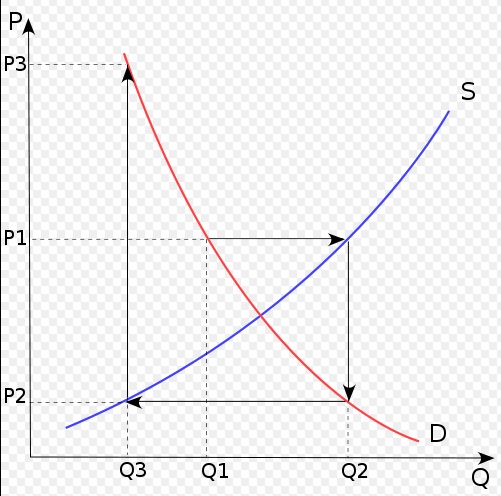
he divergent case: each new outcome is successively further from the intersection of supply and demand

he divergent case: each new outcome is successively further from the intersection of supply and demand

The San Francisco office market may face a very extreme downturn during the next recession, especially one which involves a sharp reduction in startup valuations and funding.  The San Francisco office market is now dominated by technology companies and does not have the same diversity of tenants as other office markets. Colliers reports that tech firms represent 55% of San Francisco’s office leasing activity. The demand from tech tenants for space swings wildly with credit cycles.  Further, developers have plans for a level of new office construction not seen in decades.  This volatile demand combined with a lag in supply is similar to the hog or cobweb cycle.

In the cobweb or hog cycle, when prices are high, more investments are made in hog breeding. Their effect, however, is delayed due to the breeding time.  It takes three  to four years to breed hogs.  Nobody realizes how many hogs are being produced. Then the market becomes saturated   At the same time, demand shifts downward due to external economic events (like recessions). Prices plunge.  Production is reduced  but not immediately due to the hogs in the pipeline.  Finally, after several years, hogs production percipitously declines.  Just as demand and supply reach a new equilibrium at lower prices, demand shifts again upward due to external economic cyclical events.  Demand surges and prices spike.This procedure repeats itself cyclically. The resulting supply-demand graph resembles a cobweb. A permanent equilibrium is never reached.  Instead, prices swing wildly.

Does this describe the San Francisco office market?

San Francisco has averaged absorption of approximately 400,000 square feet per year over the last 24 years and 627,000 square feet per year over the last ten years.  During the dot com boom, absorption clocked in at 1 million square feet in 1999 and 1,258,000 square feet in 2000.  Occupancies reached 97% in 1999, and class A rents reached $78 per square foot.   Developers responded with  2.5 million square feet under construction in 2000 and 2.8 million square feet in 2001. However, in 2001 just as this supply was coming online,  absorption declined to a -6.9 million square feet.  The absorption declined again in 2002 by a negative1.2 million square feet.  Occupancies declined to 77% in 2002 (over 40% vacancy in SOMA), and class A rents fell to $28 by 2003.

Between 2004 to 2007, the market staged a comeback with average annual absorption of 1.4 million square feet.  Developers constructed only 375,000 square feet between 2003 and 2005.  This lack of supply resulted in occupancies climbing to 89% in 2007, and class A rents climbing to $48 per square foot.  Developers had 1.3 million under construction in 2006 and 1.7 million in 2007.

Alas, during the recessions  in 2009 and 2010, absorption fell to -1 million and -700,000, respectively.  Class A occupancies fell to 83% in 2010, and class A rents fell to $33 in 2009.  Between 2008 and 2012–office footage under construction fell to an average of   197,000 square feet.

A recovery started in 2011, and absorption has averaged a remarkable 1.7 million square feet between 2011 and 2014.  Occupancies rose to close to 96% at the end of 2014, and class A rents reached $65 per square foot.
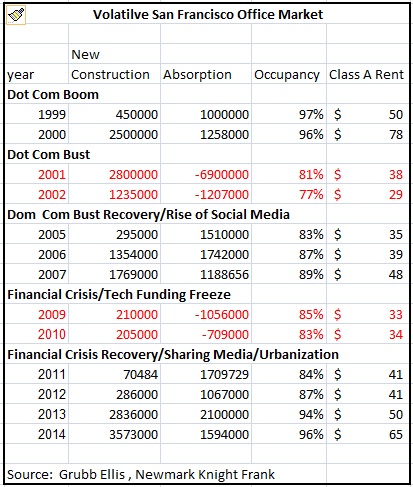
The Volatile San Francisco Office Market

The Volatile San Francisco Office Market

Yet,office space under construction has averaged 3.2 million square feet over the last two years. In their first quarter 2015 report, Colliers claims over 5 million square feet of new office space is under construction and another 10.8  million is in planning.  Socksite claims that San Francisco has the largest pipeline in 30 years.  So far, very little of this new supply has  been completed: see: http://www.socketsite.com/archives/2014/12/san-franciscos-largest-office-space-pipeline-30-years.html.  The low occupancies and increasing rents are encouraging developers to construct office space far in excess of the historical averages.

In the next downtown–given the nature of venture funding–absorption could turn significantly negative just as the tsunami of new supply hits the  market, just like the classic hog cycle.  Much of tech demand comes from start ups who are highly dependent on new funds for their survival: see http://www.globalupside.com/silicon-valley-vaporization-are-startups-burning-too-much-cash/.  If funding freezes up as it did in the last two recessions, many of these companies, as Marc Andreessen says, will vaporize:  http://www.businessinsider.com/marc-andreessen-on-startup-burn-rates-worry-2014-9 .

Maybe this time is different.

During the dotcom boom, many tech firms leased space they did not need and quickly abandoned during the bust. This time around, tech firms are only leasing what they need.  However, San Francisco developers have produced and plan to produce a much larger supply of new office space  than that supplied during the dot com boom.  Further, during the dotcom boom, tech firms gave landlords mega letter of credits as security–from 12 to 24 months  Today, tech firms are loath to give more than 6 months security.

Some would argue that the demand has permanently shifted as more businesses move back into the City to follow their employees lifestyle. San Francisco and technology are ground zero for this movement.   In the long run and over the next fifteen years, this argument will be true. San Francisco  will continue to prosper.  However,  a good part of what is happening in the short run can be just a classic hog cycle, a cobweb.  One must be prepared for extreme volatility.

PMI Acquires 10 Unit Echo Park Apt Building for Renovation!

PMI Expands Its Echo Park Portfolio Again!

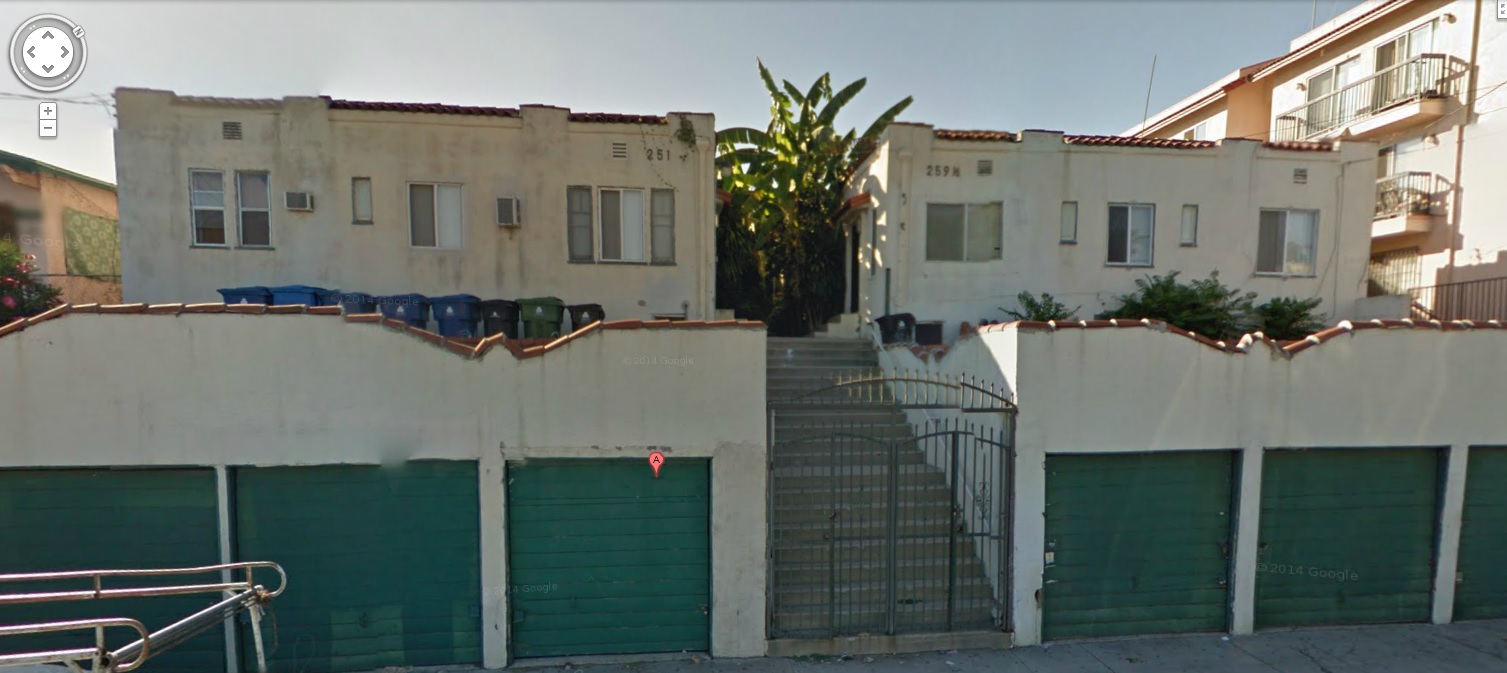
251 Rosement Exterior

251 Rosement Exterior

We are pleased to announce our acquisition of 251 North Rosemont Ave, a ten unit apartment building in the new Echo Park neighborhood of Los Angeles. The purchase price was $1,575,000 with a GRM of 14.55.

Just south of Temple Street and the 101 Freeway, the defacto boundaries of Echo Park have expanded as new retail, upgraded housing, and millennials in the creative industries push into the adjacent neighborhoods. We are actively expanding our portfolio to include properties in these neighborhoods, providing modern creative housing unlike anything else in these locations.

We intend to reinvent and extensively renovate this stereotypical 1929 building into a contemporary modern complex to fit the taste of the Creatives moving into and near Echo Park.  We will fix some of the building’s shortcomings, starting by constructing brand new interiors. On the outside, we will maintain and enhance the original property’s character while including a twist of hip.

251 N Rosemont is PMI’s 21st acquisition in Northeast Los Angeles.

PMI Completes Renovation on a new Creative Apartment Property in East Hollywood

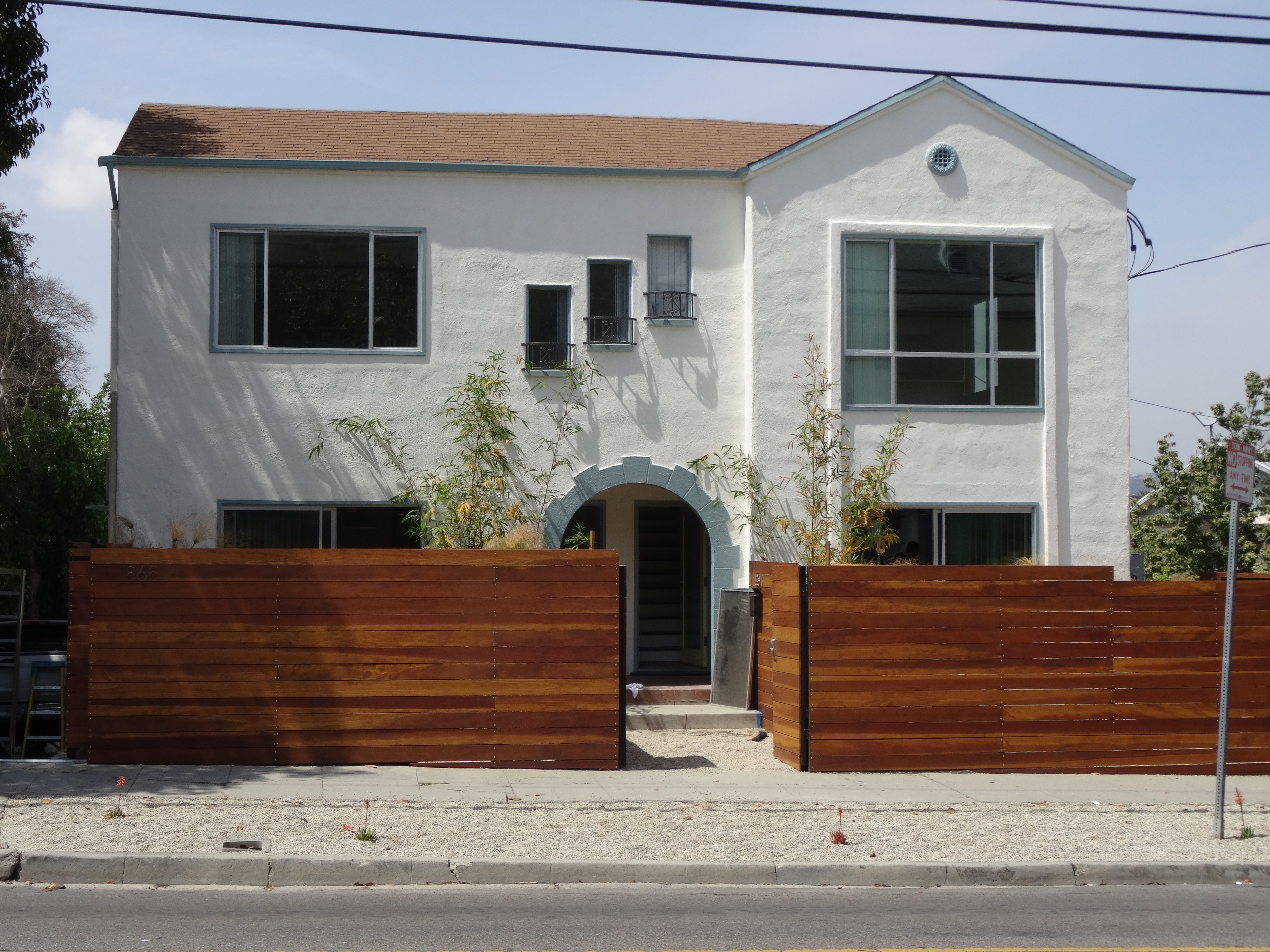
We are pleased to announce completion of a five unit apartment renovation in Virgil Village, close to the very popular Sunset Junction, a Los Angeles neighborhood adjacent to Silverlake.  This property demonstrates PMI’s Creative Multifamily strategy.

Creative Multifamily is a new line of small low rise apartments that are stylish, contemporary, and playful but yet still affordable.  The apartment retains the flavor of its era but with a total new creative interior.  Residents here want to walk to amenities and identify with the artistic flavor of the neighborhoods. In this area, a thrift shop with character is as popular as a high end boutique, and the Echoplex as popular as the Hollywood Bowl.

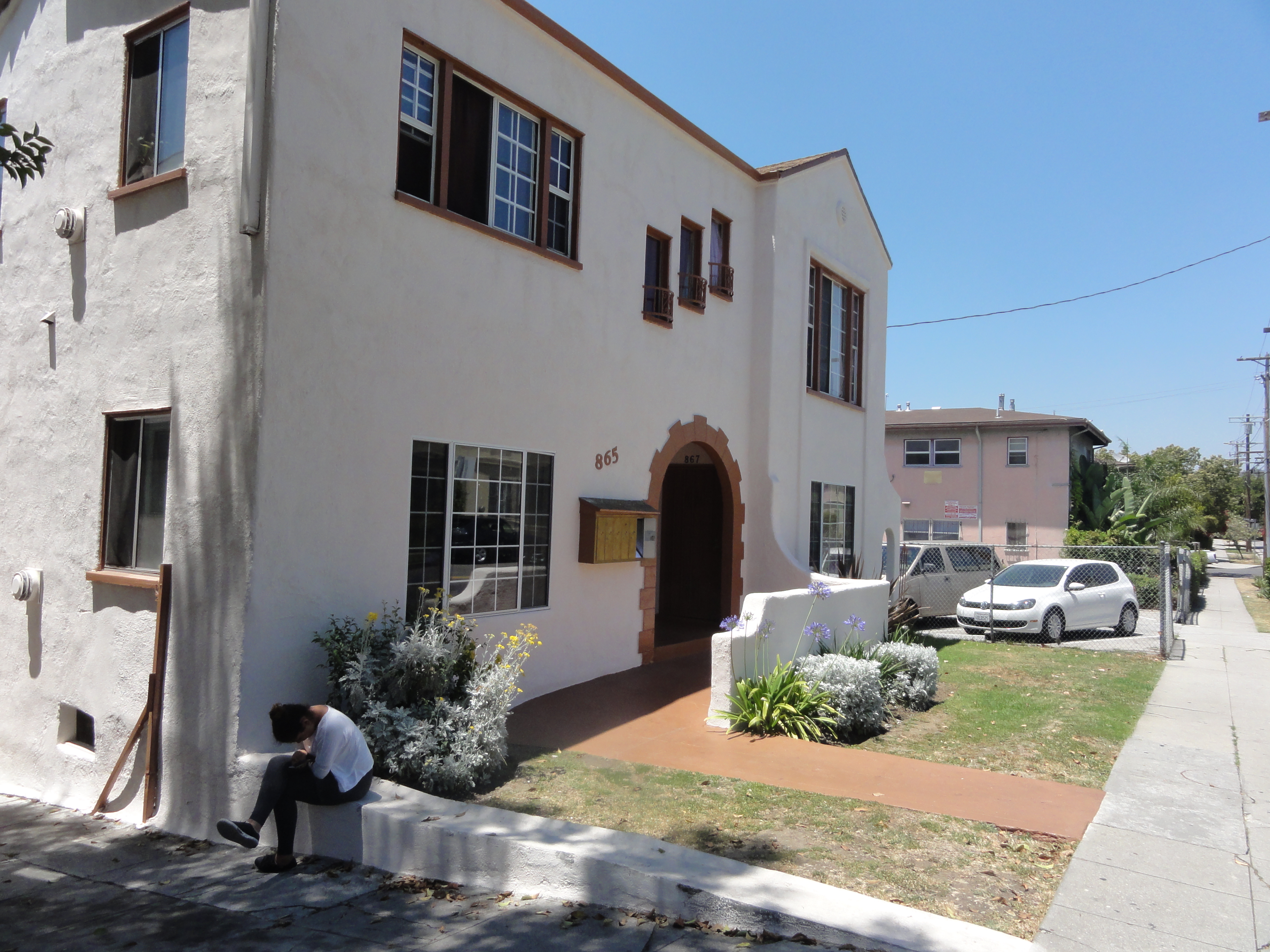
.We took a property with great character on the outside and maintained it with just a bit of contemporary defined by the new landscape and fencing.

Old Exterior

Old Exterior

054New Exterior Above

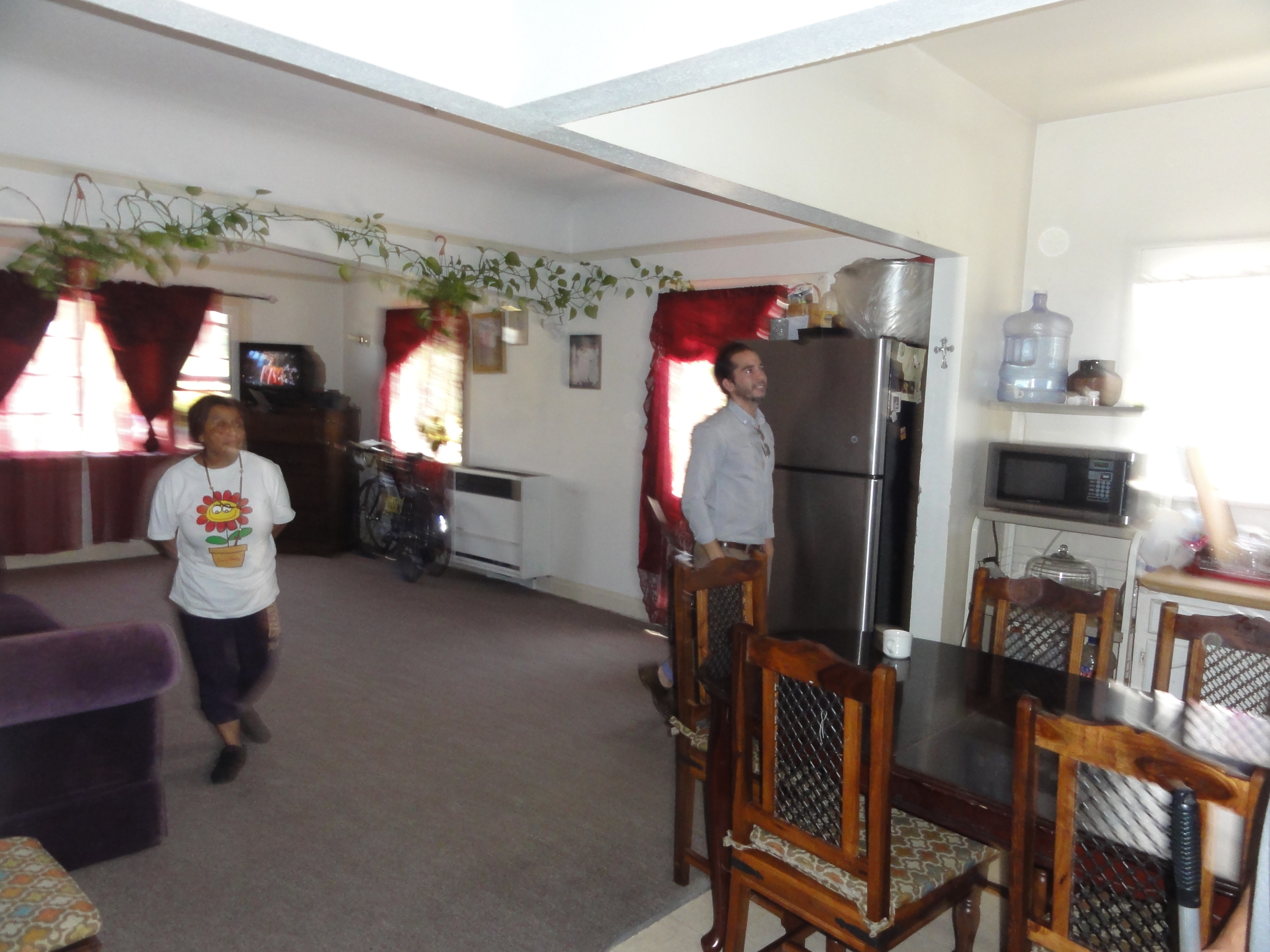
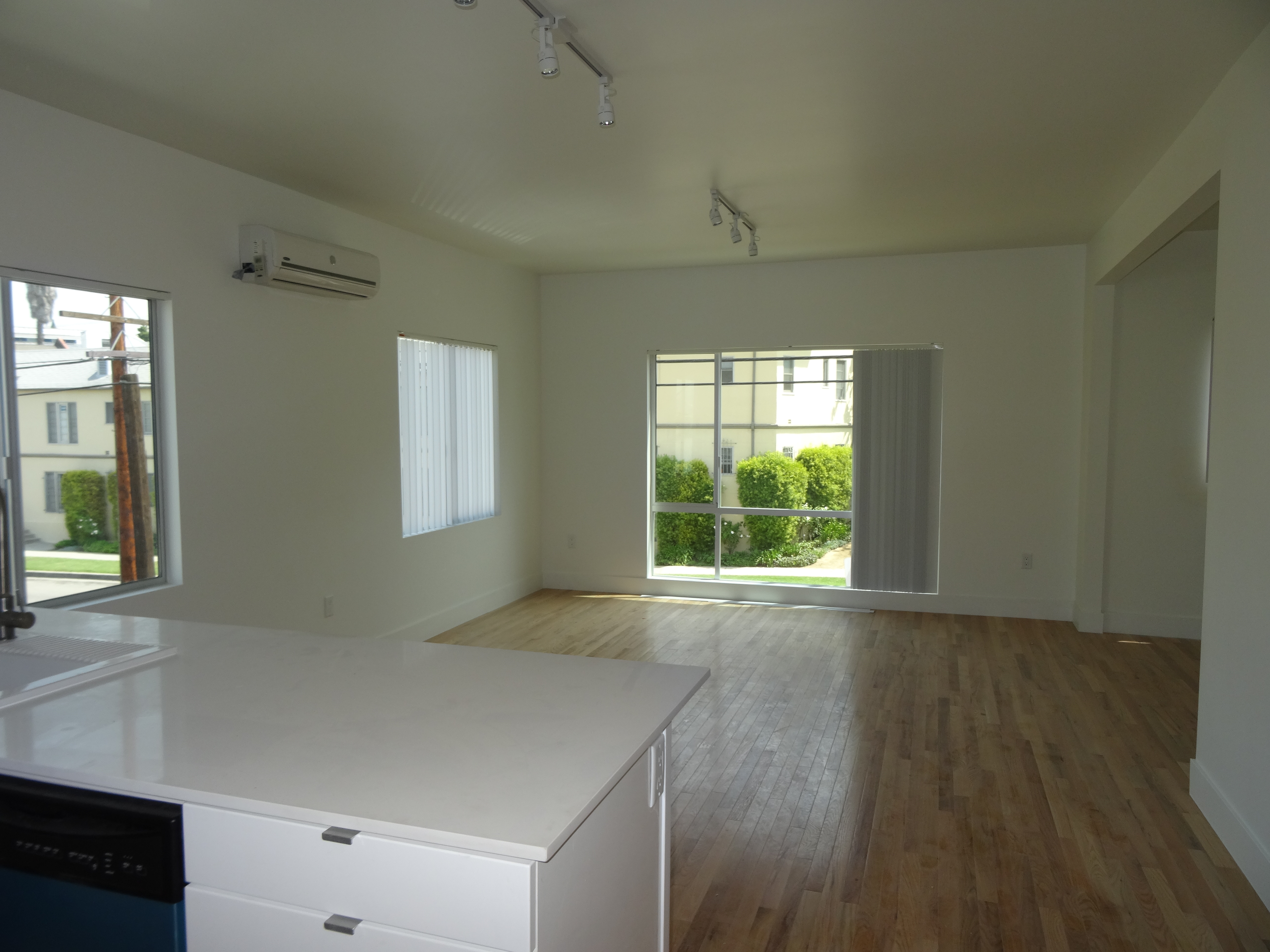
On the inside, the interior was gutted and totally redone in a contemporary motif.

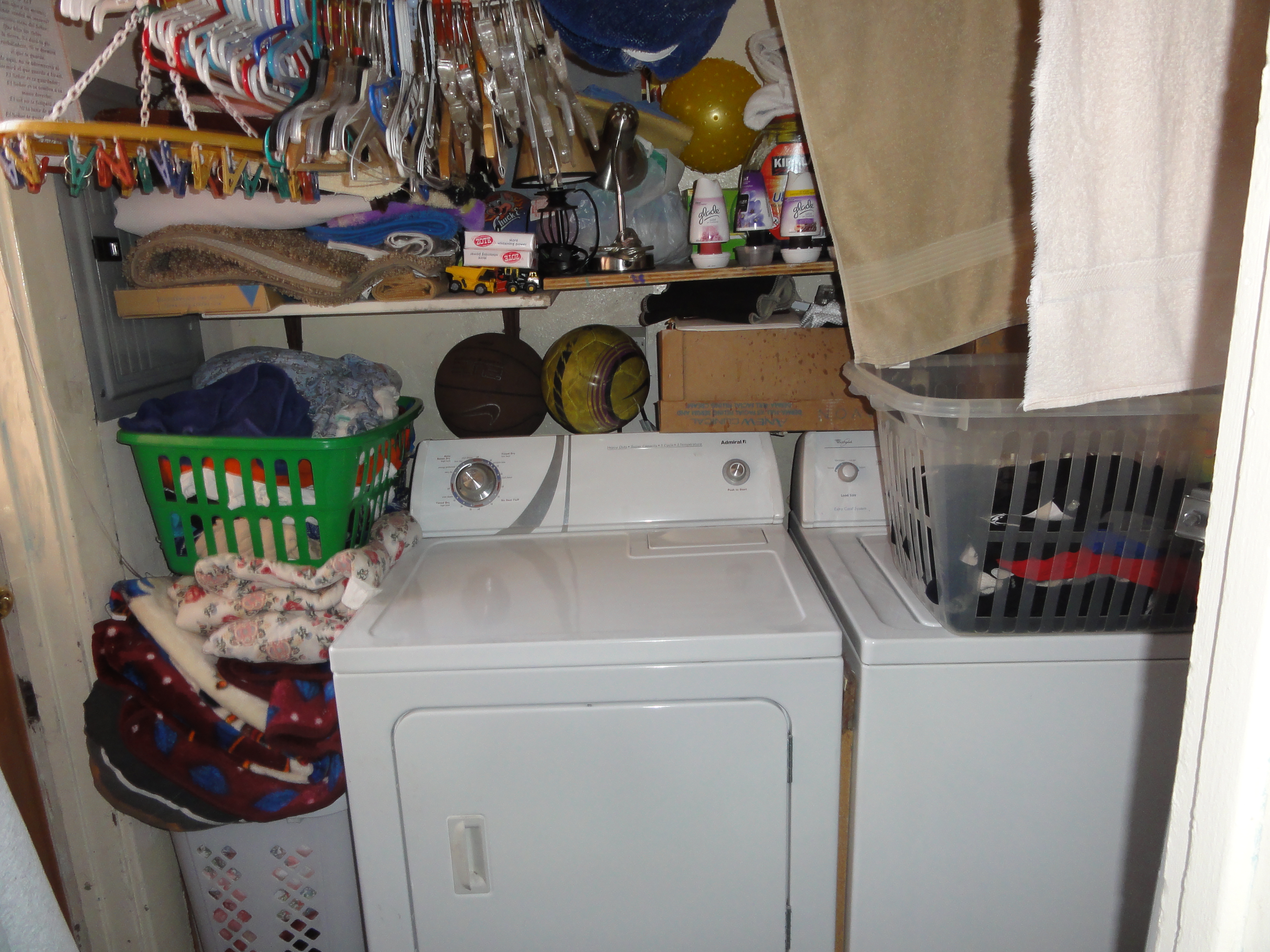
Old Interior

Old Interior

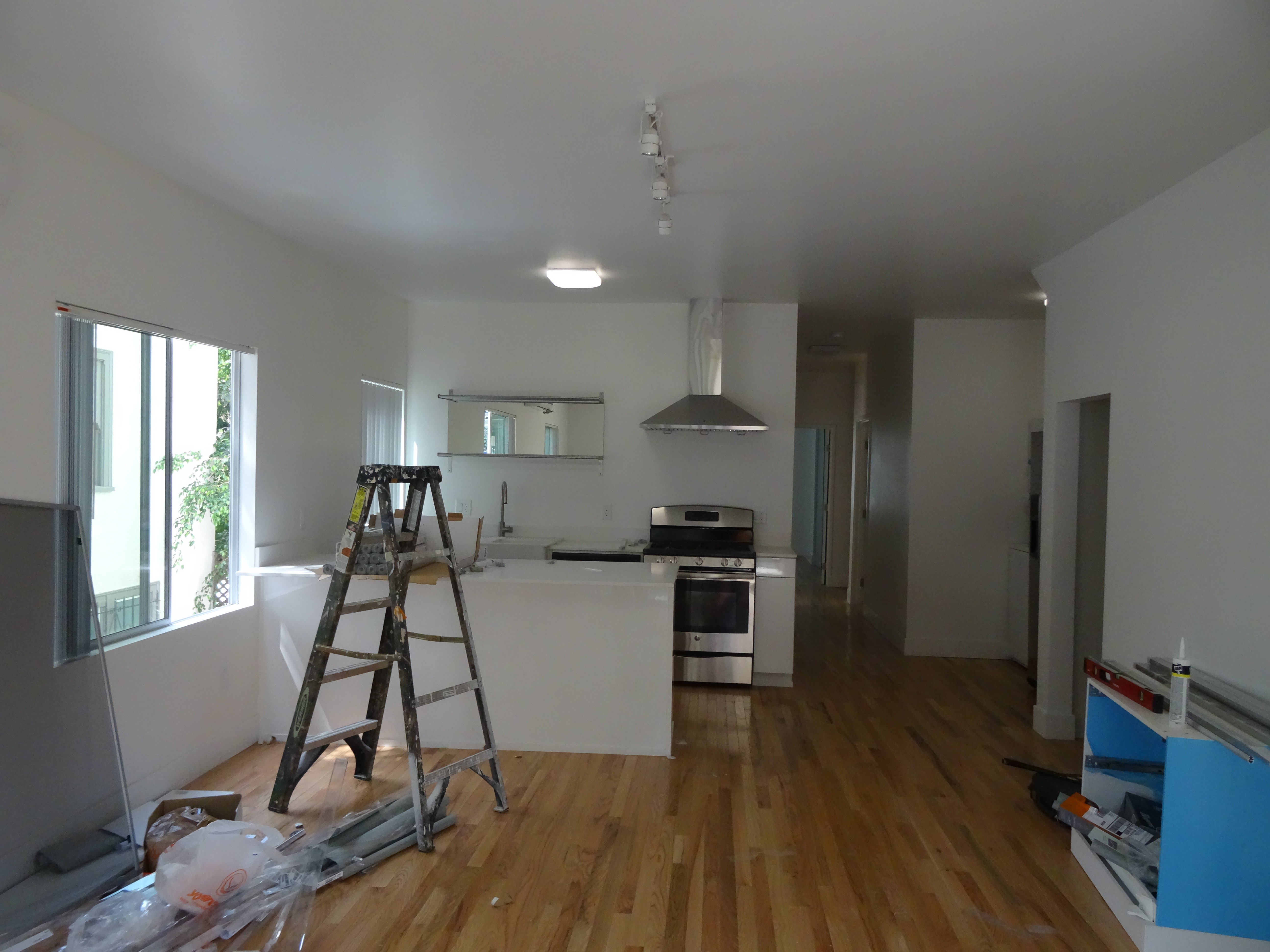
New Interior

New Interior

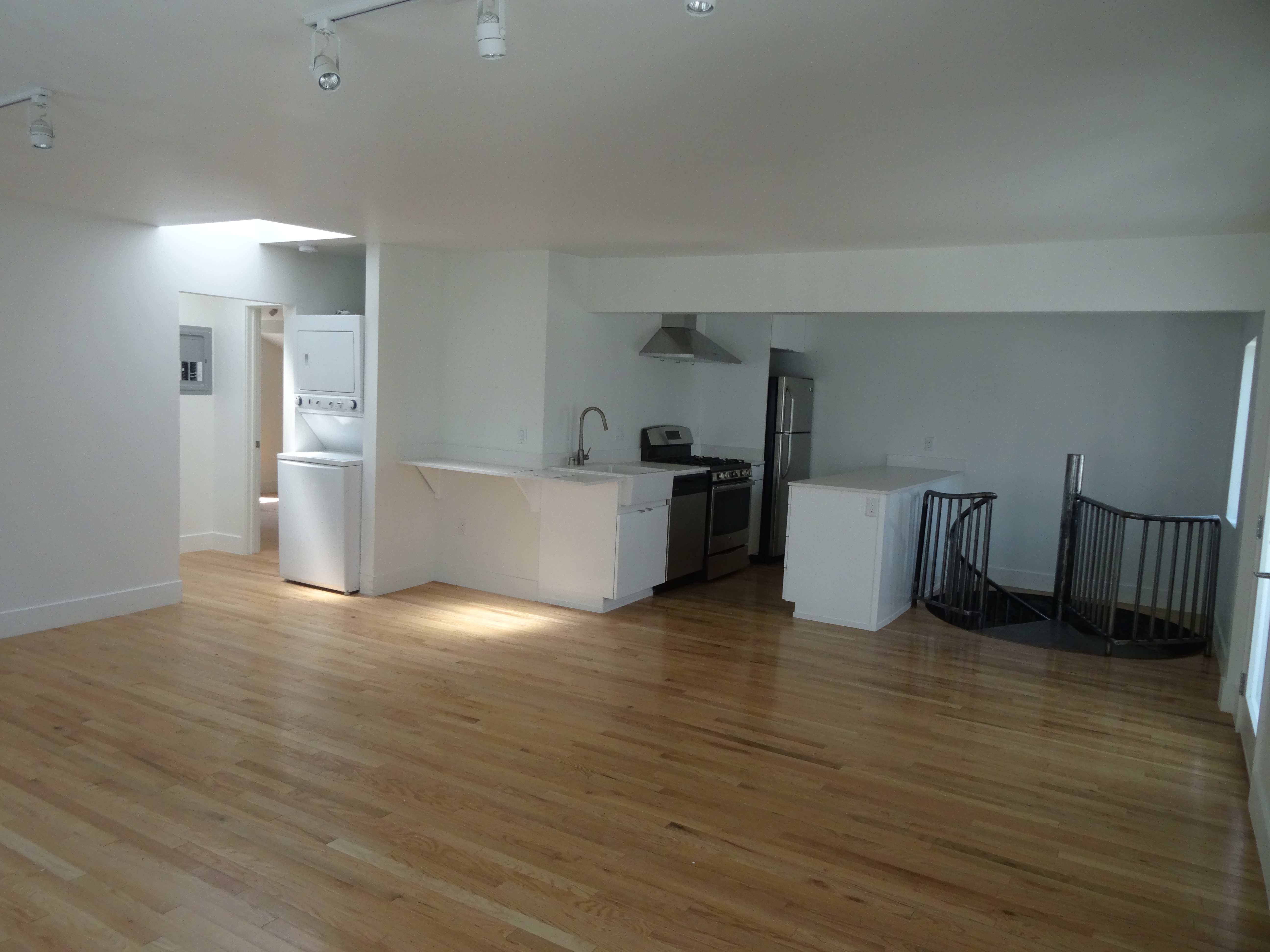
New Interior

New Interior

Old Kitchen
Old Kitchen

New Kitchen

New Kitchen

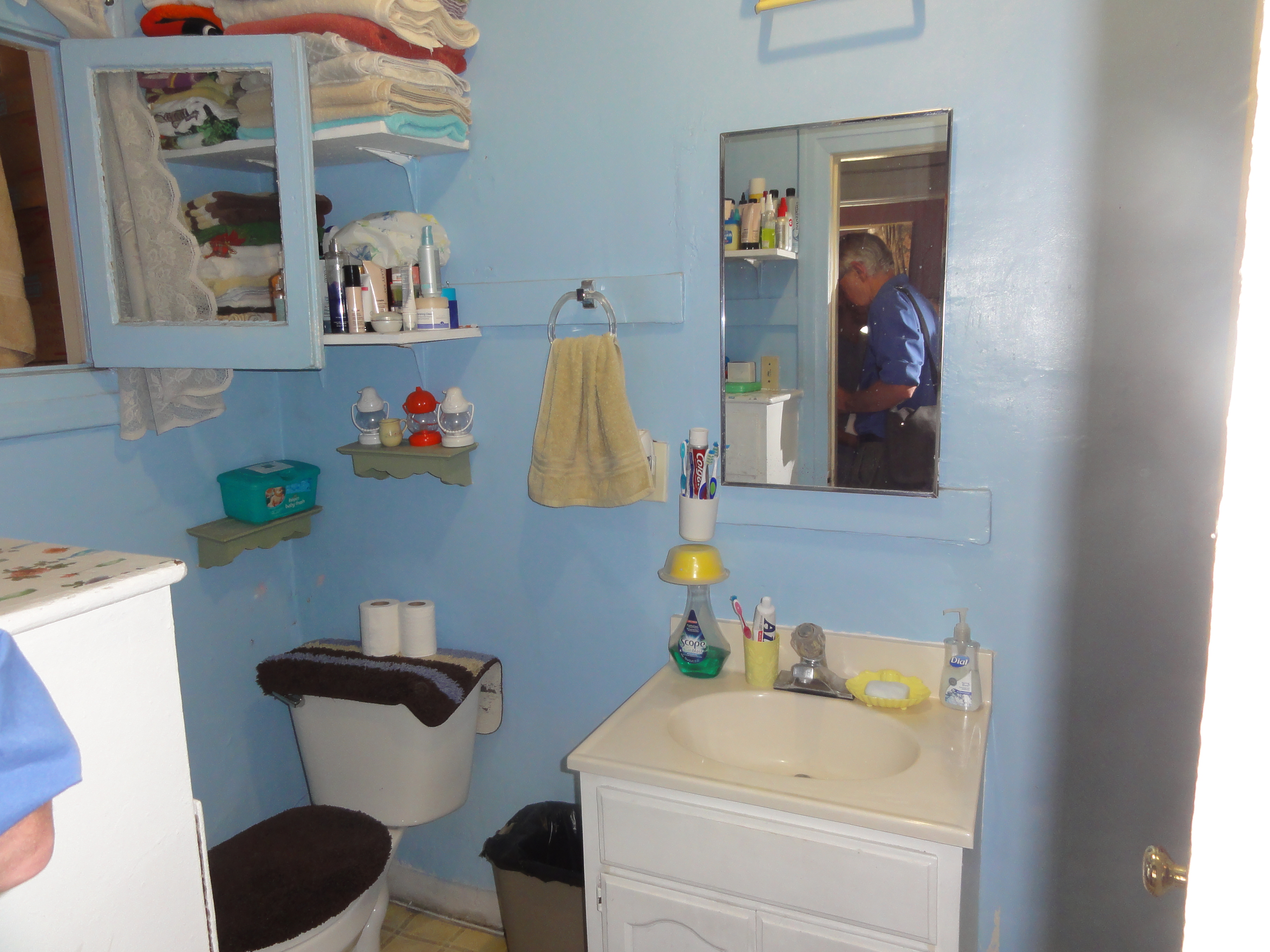
Old Bathroom

Old Bathroom

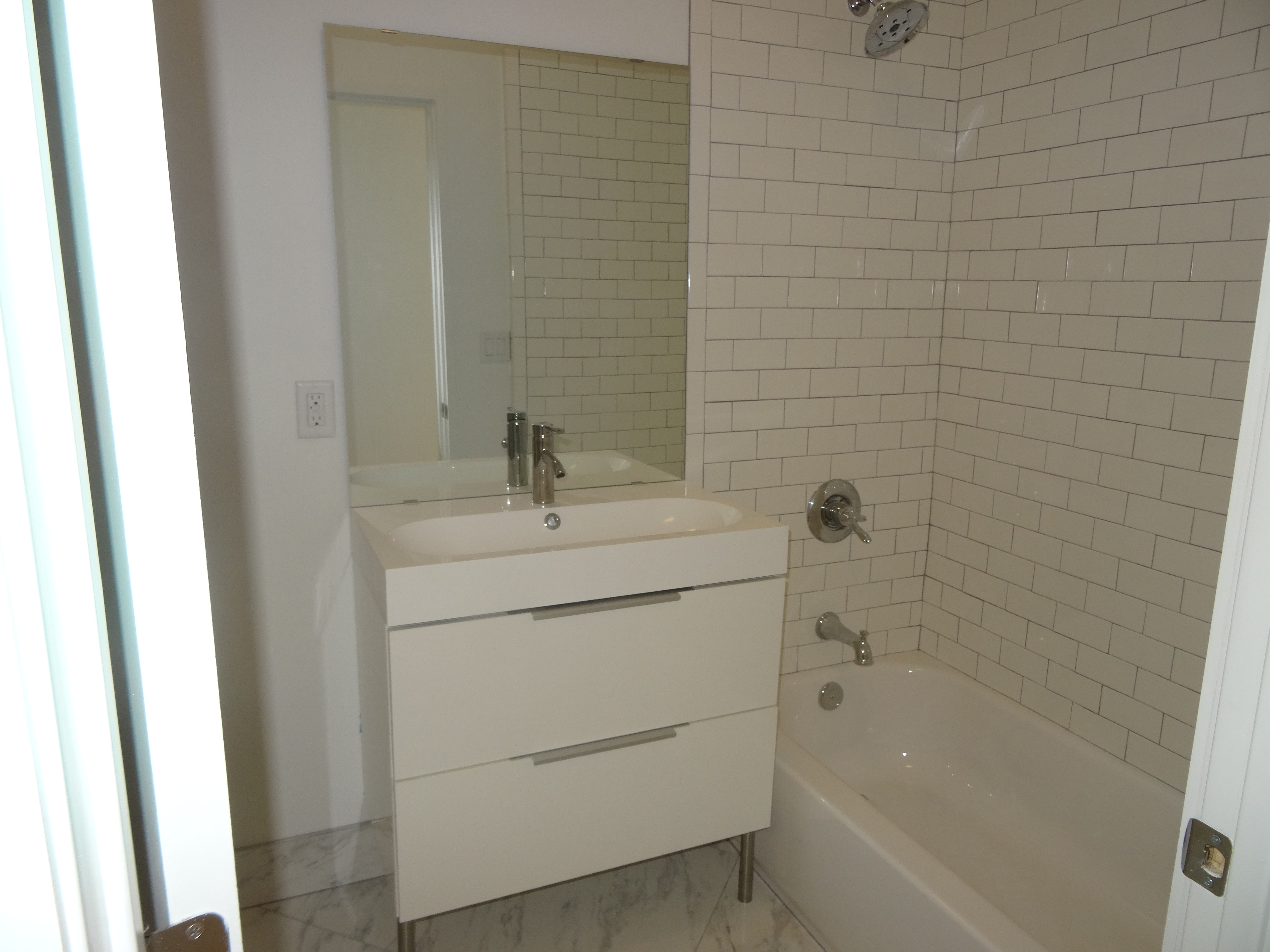
New Bathoom

New Bathoom

Old Bedroom

Old Bedroom

New Bedroom

New Bedroom

New Entrance

New Entrance


We also borrowed some techniques from our creative office projects.  Here is a bonus room done with the exposed wood ceiling, concrete floors, and spiral steel staircase.  The picture following this one is a bedroom with a polished concrete floor.


047049
Kudos to the team at PMI and Adaptive.

Social Gaming Network Leases Over 17,000 SqFt at PMI’s Eastham Creative Office

sgn

SGN Games, a top cross-platform developer and publisher of games on Facebook, iOS, and Android, has leased 17,493 square foot of creative office space with PMI.  Located at 3525 Eastham Drive, Culver City is again adding another creative tenant to the ranks.

SGN lays claim to hit titles such as Cookie Jam, Book of Life: Sugar Smash, Panda Pop, Panda Jam, and MindJolt. Well over 500 Million SGN games have been installed on leading mobile and social platforms, to date.  This makes SGN one of the largest cross-platform gaming companies in the world.

SGN represents the next generation of social game development. SGN is responsible for more than twelve top ten titles on the iTunes App Store and three #1 titles on the Amazon App Store. SGN’s hit game Cookie Jam, was awarded Facebook Game of the Year in 2014.

SNG is headquartered at this location in Culver City, with studios in San Diego, Buenos Aires, and San Francisco.

David and James Wilson of Lee and Associates represented the landlord and Gabe Brown of First Property Realty represented the tenant in consummating the five year lease. Carl Muhlstein and Jaclyn Ward of JLL acted as leasing and marketing advisors to PMI on the transaction.

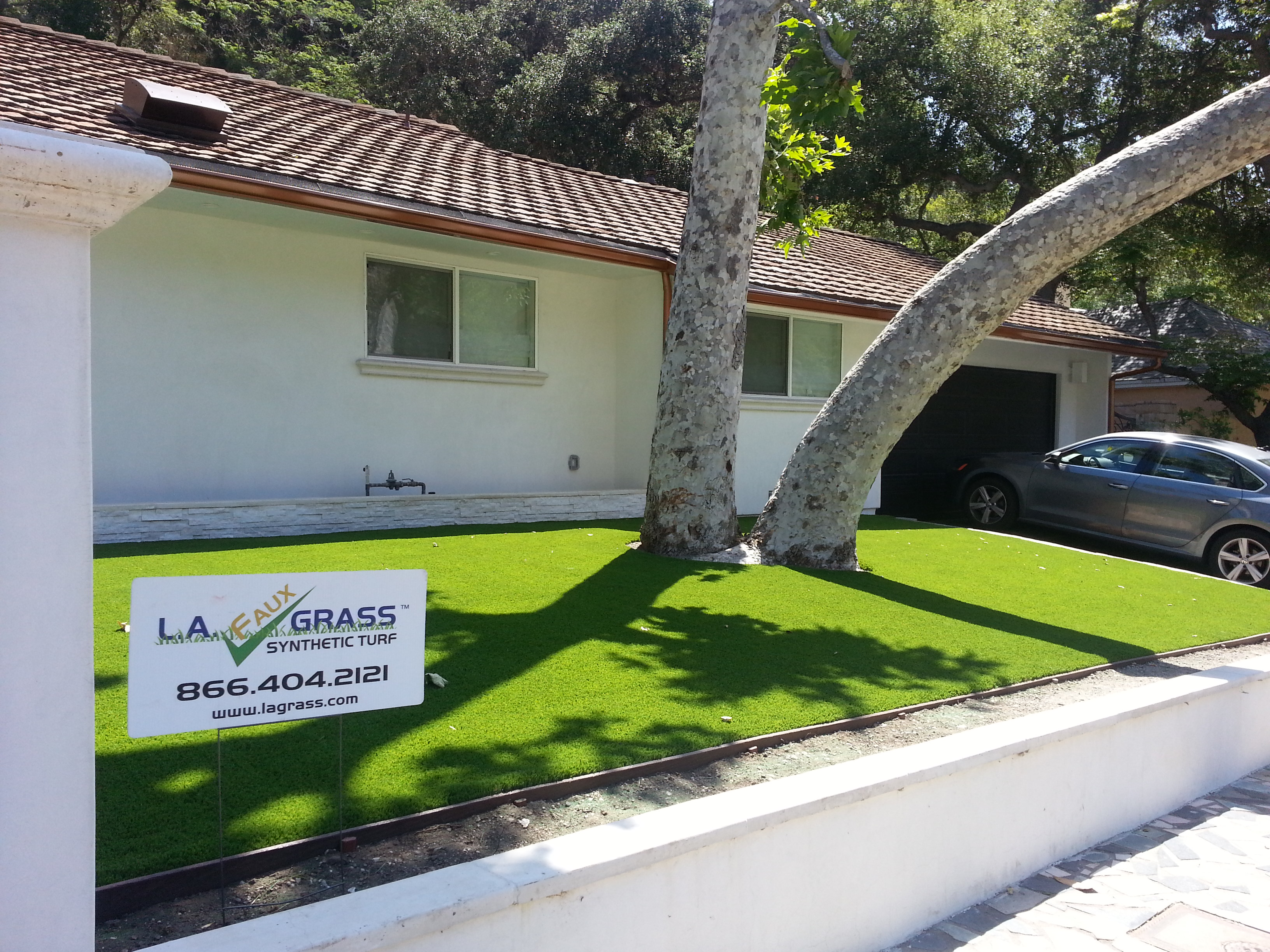
Gravel is the New Grass in Los Angeles

Now that we have a water shortage, developers will have to step up their use of drought resistant landscape.  Fortunately, drought resistant landscape has become fashionable and contemporary.  Multifamily units with large lawns and roses look dated.

We  use gravel in many  apartment renovations instead of grass.

Gravel is used in this apartment patio instead of grass

Gravel is used in this apartment patio instead of grass

Last week, I published pictures of the public rooftop park on top of the West Hollywood Restoration Hardstore that used decomposed granite instead of grass.

Restoration Hardware Rooftop Public Park in West Hollywood

Restoration Hardware Rooftop Public Park in West Hollywood

Restoration Hardware Provide Public Rooftop Park on top of its new West Hollywood Flagship Store

Restoration Hardware Rooftop Public Park in West Hollywood

Restoration Hardware Rooftop Public Park in West Hollywood

Cities are exchanging entitlements for public benefits.  The City of West Hollywood got Restoration Hardware to offer free valet parking and provide a public park on it rooftop at its flagship West Hollywood store at 8564 Melrose Avenue directly across the Urth Cafe.  It is open daily to the public and has party space, a outdoor pool table, and ping pong.  The park looks more like the rooftop of a W hotel or the Standard Club.  Bring your lunch.  This is an example of the public benefits cities are extracting from property owners and developers for zoning rights, in this case a conversion of an office to a retail store.

restoration hardware 2