Unknown's avatar

About PMI Properties

PMI is a thirty year old property investment company located in Beverly Hills/Bel Air that invests in commercial and residential real estate. Since its founding in 1978, PMI Properties has closed over $500 million in office, shopping center, industry and apartment properties throughout Los Angeles and San Francisco. PMI's most recent endeavors have focused on pioneering creative office suites in office buildings and converted warehouses.These properties have been primarily located in Los Angeles and recently in San Francisco. PMI had its roots in investing in apartments, but more recent investments have focused towards offices, creative offices and converted warehouses. PMI was the first to pioneer a new, creative suite in office buildings with its proprietary "lifestyle suites," which featured skylights, partial hardwood floors, designer lighting, raised ceilings, interior glass, and other upgrade features. PMI pre-built the suites in an efficient and generic floor plan that not only achieved a premium, but also rented faster than suites requiring build-to-suit modifications. PMI was also one of the first to convert warehouse industrial facilities into flex creative space prior to the Internet boom. Today, PMI's suites are some of the most coveted creative offices on the market. Subscribe to get our newsletter and blogs for free! http://eepurl.com/hG0V2

What is Going To Happen to Those Class C Office Buildings: Convert them To Residential

10850riverside

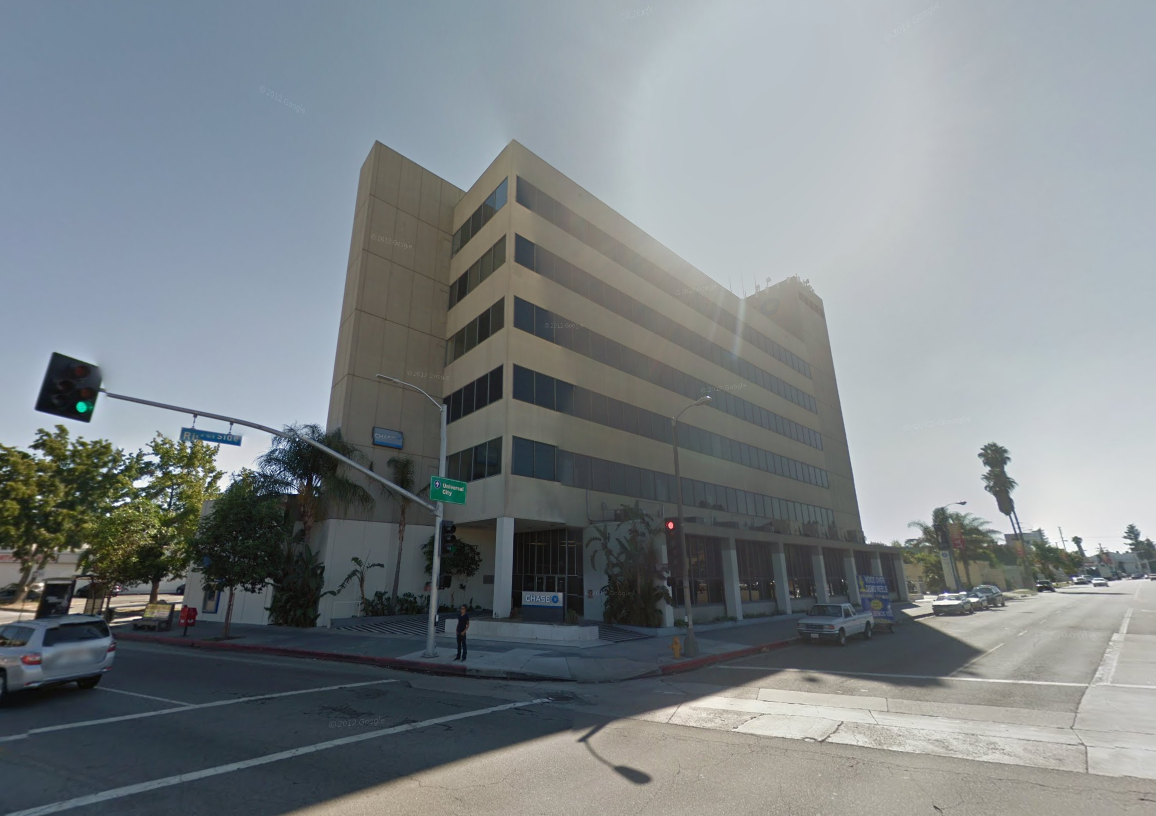
Some of the older conventional office buildings may be candidates for conversion to residential..  The  City may need to relax setbacks in some cases like the City did for Adaptive Reuse Downtown.  Here is one example of such a conversion proposed  in North Hollywood:

Building Los Angeles: Studio City Office Building Going Residential.

As Tenant Transition to Open Offices, More Tenants Will Demand that Tenant Improvement Allowances Be Used for Furniture Purchases

office furniture

Office landlords want Tenants to use their tenant improvement allowances for fixed improvements that may have a residual value.  Tenants are reducing the number of enclosed offices and in turn , this lowers tenant improvement costs.  Instead, tenants want to use the savings to purchase their furniture and cabling systems.  Indeed, in open offices, furniture is becoming  a more important determinant of the office layout.  Unfortunately for the landlord, furniture is even less likely to have any residual value.

Drinking, Driving, Walkability to Bars, and Apartment Location Decisions

Location to Popular Bars Becomes a Factor for Young Renters  When Deciding Where to Live

Location to Popular Bars Becomes a Factor for Young Renters When Deciding Where to Live

We received notice from an apartment tenant this week that the tenant is moving to be closer to bars.  Walkability has become a buzz word in the multifamily arena.  As younger renters become educated about the dangers of drinking and driving and enforcement tightens, young renters are seeking strategies to commute to bars to socialize. Renters who reside close to restaurants and bars can walk home. How to drink safely now becomes a factor in the desirability of an urban multifamily location. Cheers.

Partitioned Off Kitchens Are Out and Great Rooms are In

Rendering of the Great Room in the New Highrise Apartments At Wilshire and Vermont

Rendering of the Great Room in the New Highrise Apartments At  Wilshire and Vermont

Most brand new apartment units in Los Angles do not have separate or partitioned kitchens, especially in those developments appealing to Millennials.  Instead, there is one great room for living, eating, and food preparation.  The kitchen is separated from the dining or living area only by a breakfast bar.  I guess dirty dished are no longer unfashionable.  Soon the partitioned kitchen, separated from the dining or living area by a cabinet or wall will look passe.

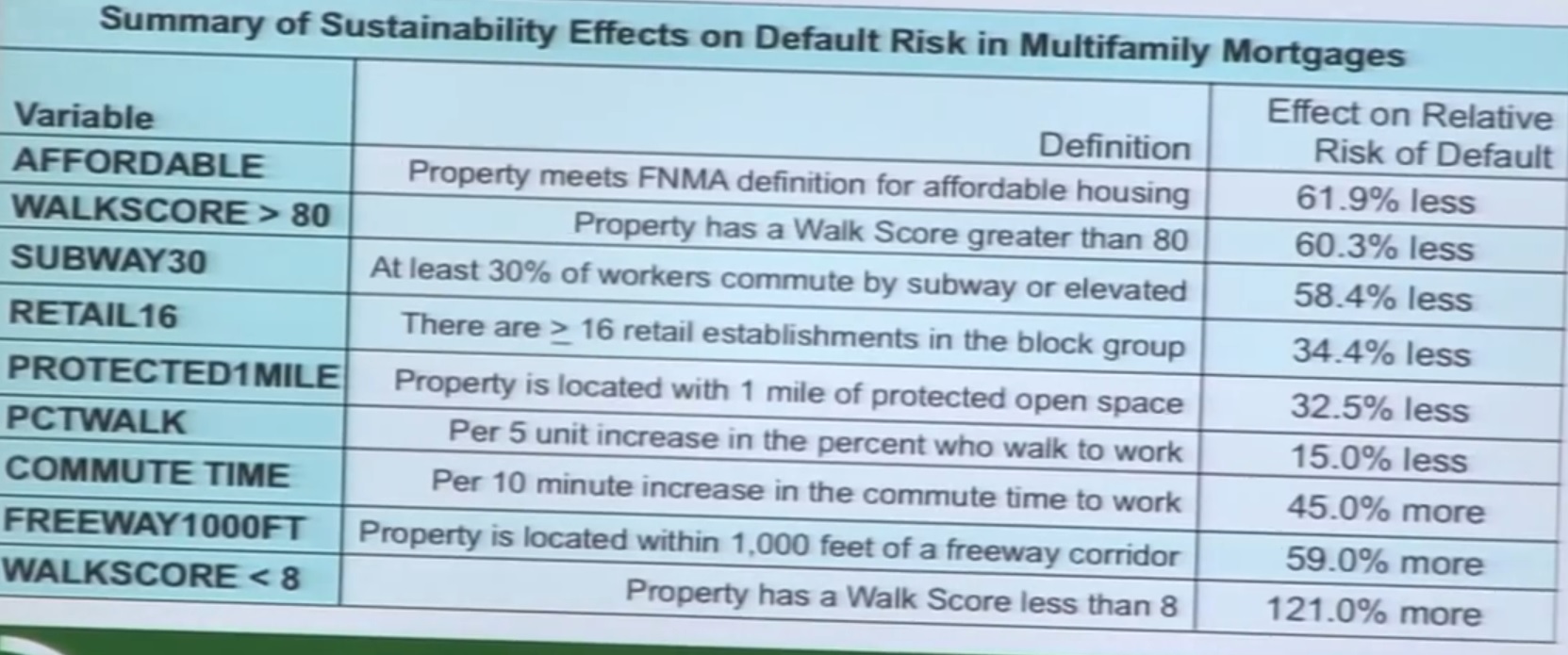
Properties that were located withing walking distance of amenities had a much lower risk of default.


Properties with high walk scores had lower risk of default

Properties with high walk scores had lower risk of default


A study by Gary Pivo of the University of Arizona determined that properties with high walk scores had a much lower risk of default than properties with low walk scores.  In other words, properties near retail and transits were safer bets for lenders and by inference for investors (or more conservative investors buy properties with low walk scores?).


Walk Score and Multifamily Default: The Significance of 8 and 80 – hoytpivo_mfhousing_walkscore_122013.pdf.

Creative Versus Conventional Office–It’s Becoming A Rout

Tower Burbank at 3900 Alameda Burbank Sells To Jeff  Worthe

Tower Burbank at 3900 Alameda Burbank Sells To Jeff Worthe

When we started in the mid-90’s converting buildings to creative office and getting top rents–everyone said it was a fad.  During the dot com boom–we thought they were right.  Many spaces were converted back to creative office.

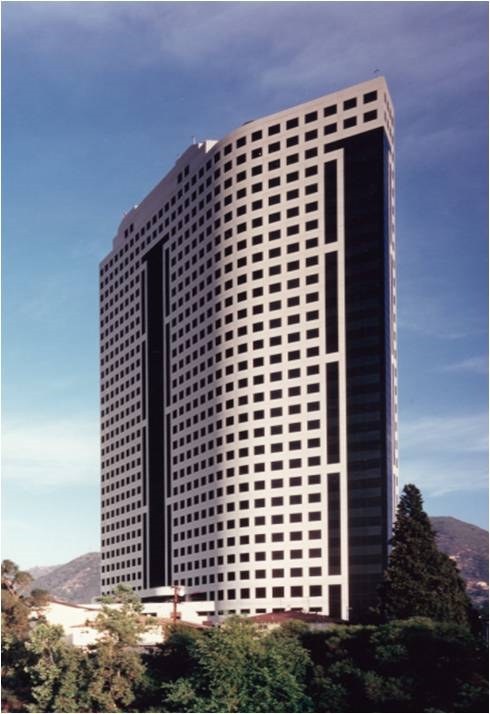
Today, the Los Angeles Times reports that Jeff Worthe is going to convert a paradigm class A highrise tower in Burbank to creative office.  The article states:  “Another  move will be to tear out the carpeted floors and dropped ceilings that were standard trappings of corporate office buildings in the 1980s but are now considered fusty to firms in creative fields such as entertainment…Offices will have polished concrete floors and exposed-concrete ceilings.”

This trend is causing a grounding shifting change in relative values.  In 2005, BlackRock paid $160 million (or $333 per square foot) for this 480,000 square foot Burbank office tower leased to Disney.  Jeff Worthe just paid $109 million or $227 per  square foot for this class A highrise in the middle of the media capital.  In contrast, someone just paid $305 per square foot for an empty raw industry  building (with one per 1000 parking) next to our property in Culver City’s Hayden Tract.  Long live brick and timber and bow truss ceilings.

The article is below.

Tower Burbank purchase boosts landlord’s dominance in media district – latimes.com.

EXPANDING PARKING AND TRANSIT OPPORTUNITIES AT CREATIVE OFFICES AT 10951 PICO WLA

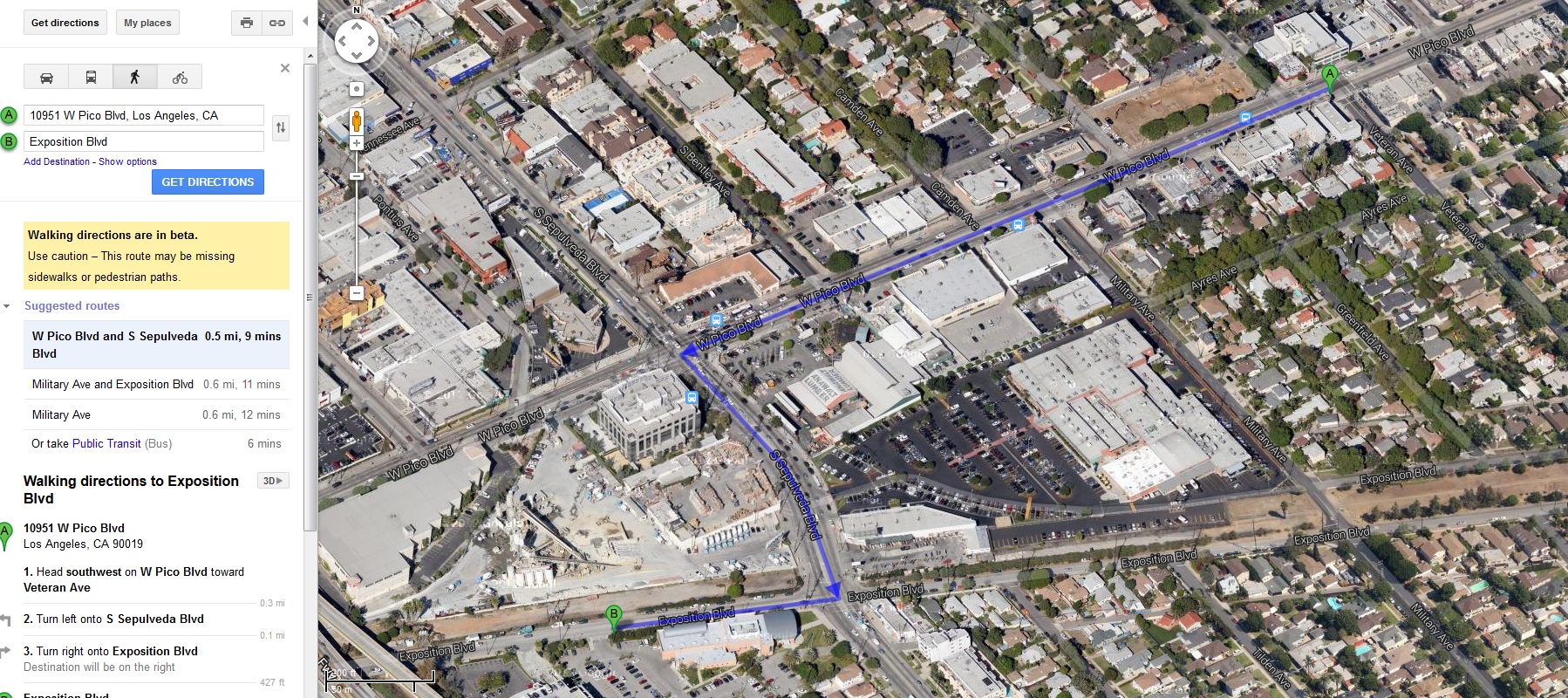
We created a tech friendly office building at 10951 Pico Boulevard.  We put in higher ceilings, concrete floors, wood floors, exposed elements, and the foosball table.  However, the tech companies need to scale upward from 4 people  per 1000 square feet to 10 people per 1000 square feet.  So we had to get creative with just less than 3 per 1000 parking.

Step 1 was a re-striping of our parking lot from less than 3 per 1000 to more than 3 spaces per 1000 square feet.

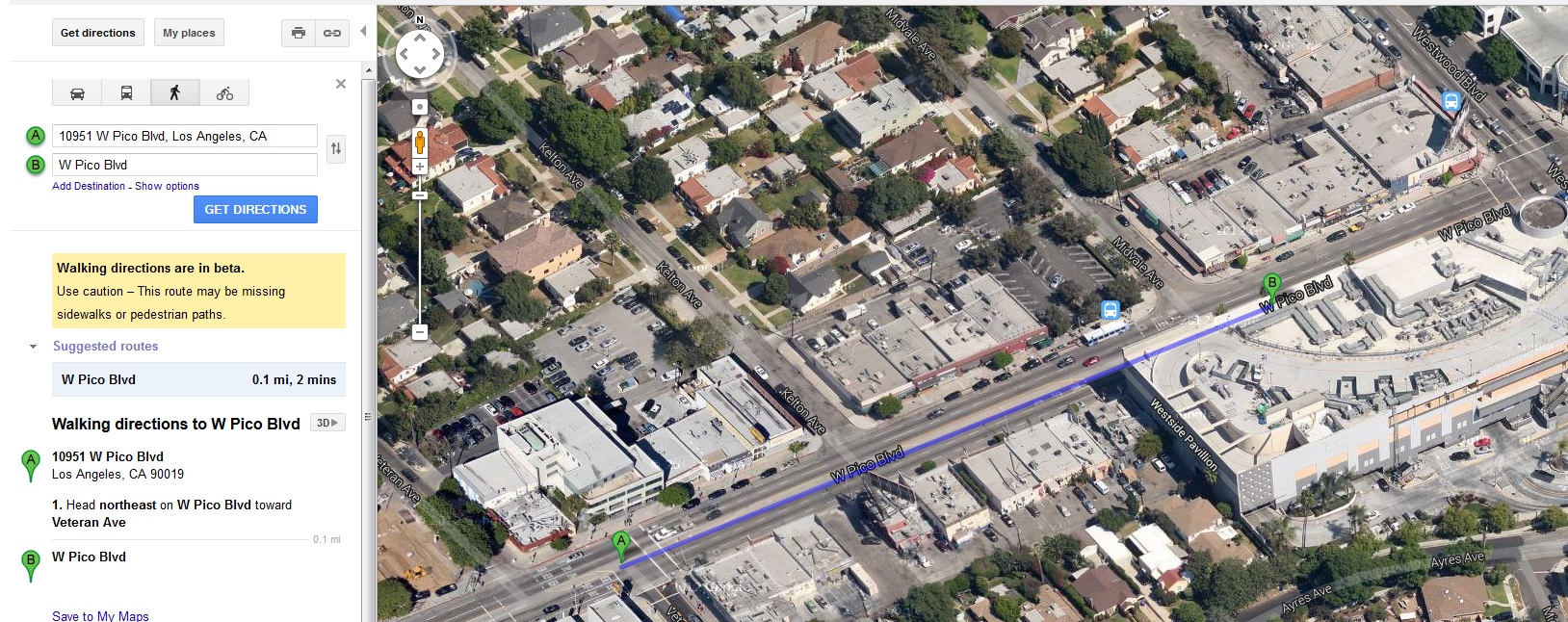
Step 2 was cutting a deal with the nearby  Westside Pavilion Shopping Center to rent additional spaces for our tenants allowing us to offer more than 10 spaces per 1000 square feet parking.

Westside Pavilion Parking is a 2 Minute Walk

Westside Pavilion Parking is a 2 Minute Walk


Step 3 was to publicize the availability of free street parking 4 minutes away along the new Expo Line.

Free street parking is 4 minutes away

Free street parking is 4 minutes away

Step 4 and 5 was courtesy of CalTrans who just built a new first come first serve 250 space parking structure eleven walking minutes away and will open the Expo Line Station in 2015 so people do not even have to drive.

250 car free parking structure and new Expo Station 11 minute walk

free 250 car  parking structure and new Sepulveda Expo Station, an 11 minute walk


Risk On

Risk On

Risk On

With the economy improving, we have entered a new phase of the cycle. The risk on part.   Investors have stopped fearing fear and have moved on.   Are we in the greed stage? The problem is that real estate investors cannot find yield or attractive opportunities in safer or more stabilized investments and are now pursuing riskier investments–new construction, value add, tertiary markets.  Investors are moving off of the sidelines and on to the playing field.  Once we talked about underwater mortgages, then Greece, and now we talk about yield.

This Walking Dead TV Trailer Captures What the Beginning of a Recession is Like For a Real Estate Developer

This trailer provides a great analogy of what the beginning weeks of a Recession are like for a developer.  You are surrounded by very dense fog and have zero visibility.  You are just back to back with your associates waiting.  You can hear the grunts and groans of the zombies.  You do not know how many or where they will come from.  Suddenly, they are all around you and you must fight them off to survive.  Sneak peak Walking Dead Episode 413:

Bubble Low Interest Rates Equal Bubble Low Cap Rates

100 Years of Mortgage Rates

100 Years of Mortgage Rates

Interest rates still stand at some of the  lowest levels in one hundred years.  As fear resides,  greed surfaces.  Investors are in a desperate search for yield. The article below explains that the market for office buildings is being powered primarily by low interest rates, which have made it cheap to borrow money and have made the income buildings generate from rent seem relatively appealing. “The world is starved for yield,” says Scott Rechler, chief executive of New York landlord RXR Realty LLC, one of New York City’s most-active recent buyers.

Interest rates drive cap rates as investors attempt to create positive yields between the property’s return and mortgage rates or returns on more passive investments. The chart below shows the relationship between cap rates, interest rates, and the spread between the two.  Only during the whacky 80’s did spreads turn negative.  In those times,  all cash buyers dominated the market place and super high rent increases (or projected rent increases) were used to make those negative spreads disappear.
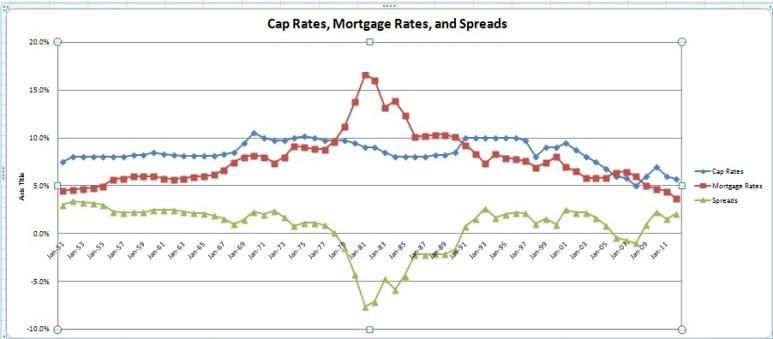
Cap Rates, Mortgage Rates, and Spreads

Cap Rates, Mortgage Rates, and Spreads

Cap rates are at the lowest point since 1951 except for their most recent lows during the peak years 2007/2008. Mortgage rates, on the other hand, are also at some of their historical lows despite their 100 basis point rise from the low of last year.

The question arises on whether cap rates and interest rates are both sustainable. Bill Gross argues that governments must maintain rates and will only very gradually raise  them over a long period of time because economies are addicted to low rates.  Any sudden rise would have a very harmful impact on the economy.

We must be aware that the cap rates and interest rates today are far from the norm.

Skyscraper Prices Head North – WSJ.com.