Does Your Office Need a ‘Third Space?’

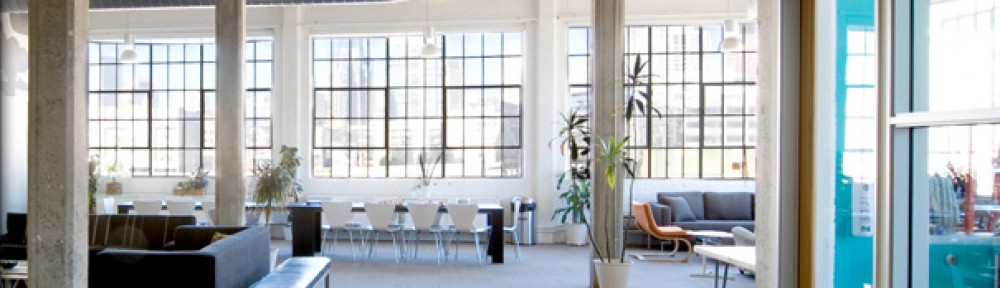
The third space (or place), is a term used in the concept of community building to refer to social surroundings separate from the two usual social environments of the home and the workplace.  In his influential book, The Great Good Place, Ray Oldenburg (1989, 1991) argues that third spaces are important for civil society, democracy, civic engagement and establishing feelings of a sense of place.

In an office, the third space can be defined as the place between the workstations or offices and formal meeting rooms.  The third space is used for more casual work or meetings.  The environment is more collaborative and less formal.  Furniture resembles a hotel lobby or cafe.  Expanded kitchens and break rooms can serve as the third space in the office environment.

Gen Y grew up studying in coffee shops and cafes instead of at libraries or desks.  As a result, some Gen Y prefer to work in more informal settings that resemble coffee shops.  They also prefer to collaborate on couches rather than around a formal meeting table.  Gen Y grew up not tethered to the personal computer, Gen Y grew up not tethered to the personal desktop computer.  They can now work away from their desks using laptops.  They can exercise their freedom even more by using their tablets and smartphones as well.  The third space allows for a change of pace and a change of scenery.

In this 8,100 square foot office suite renovation at 2644 30th Street in Santa Monica, adjacent to the Santa Monica Business Park, PMI has configured the spec suite with the third space in mind.

2644 30th Street Suite 101: Blow Out Kitchen, Causal Areas, and Outdoor Space Create Opportunities for a "Third Space"

2644 30th Street Suite 101: Features include a blow out kitchen, causal areas, and outdoor space.  These all create opportunities for  “Third Spaces.”

The most common “third space” is the kitchen area.  Because of this, PMI aims to build large and inviting kitchen break areas that resemble cafes.  PMI integrates an adjacent area with similar flooring and lighting that can expand that kitchen into a casual work area, or another third space.  Tech companies tend to put these third spaces in the most desirable part of the office space.

In this case, the area near the outdoor patio would make an excellent additional casual work area.  With the great weather in Los Angeles, outdoor spaces also make great third space.  In a survey of ten creative office brokers in Los Angeles, 80% of them felt that outdoor space, if available, should be pre-built into the infrastructure of the space.  Growing companies also use third spaces as potential areas to temporarily expand formal work areas as the company scales.

Here are some examples of third spaces that PMI features in their suites:
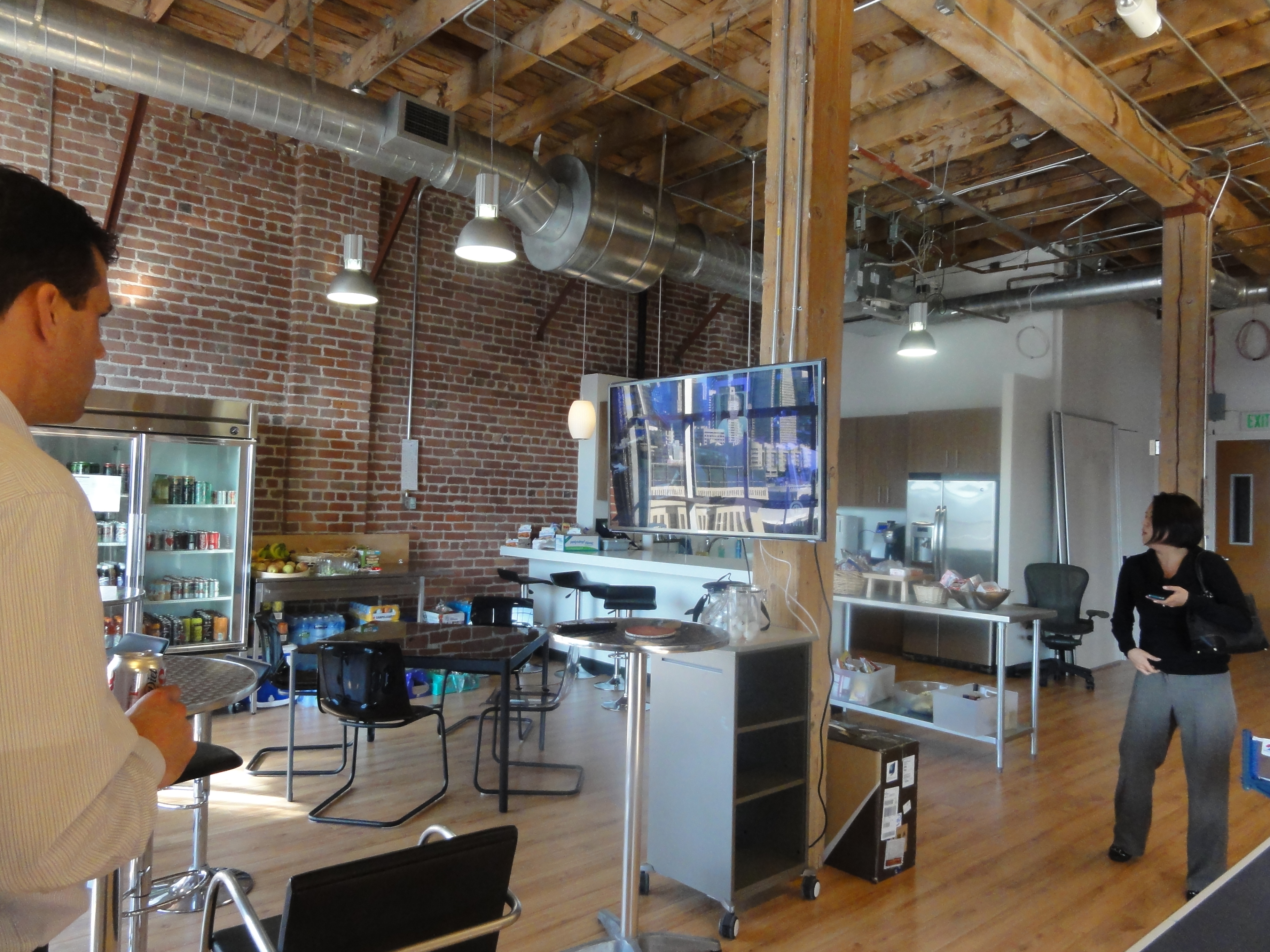
PMI's kitchen/break area for Ustream, San Francisco

PMI’s kitchen and break area for Ustream in San Francisco.

Ustream Kitchen at 410 Townsend

Ustream’s kitchen at 410 Townsend, San Francisco.

Ustream Kitchen Break Area Overflows into Adjacent Area to form the "Third Place"

Ustream’s kitchen and break area overflows into an adjacent area to form a third space.
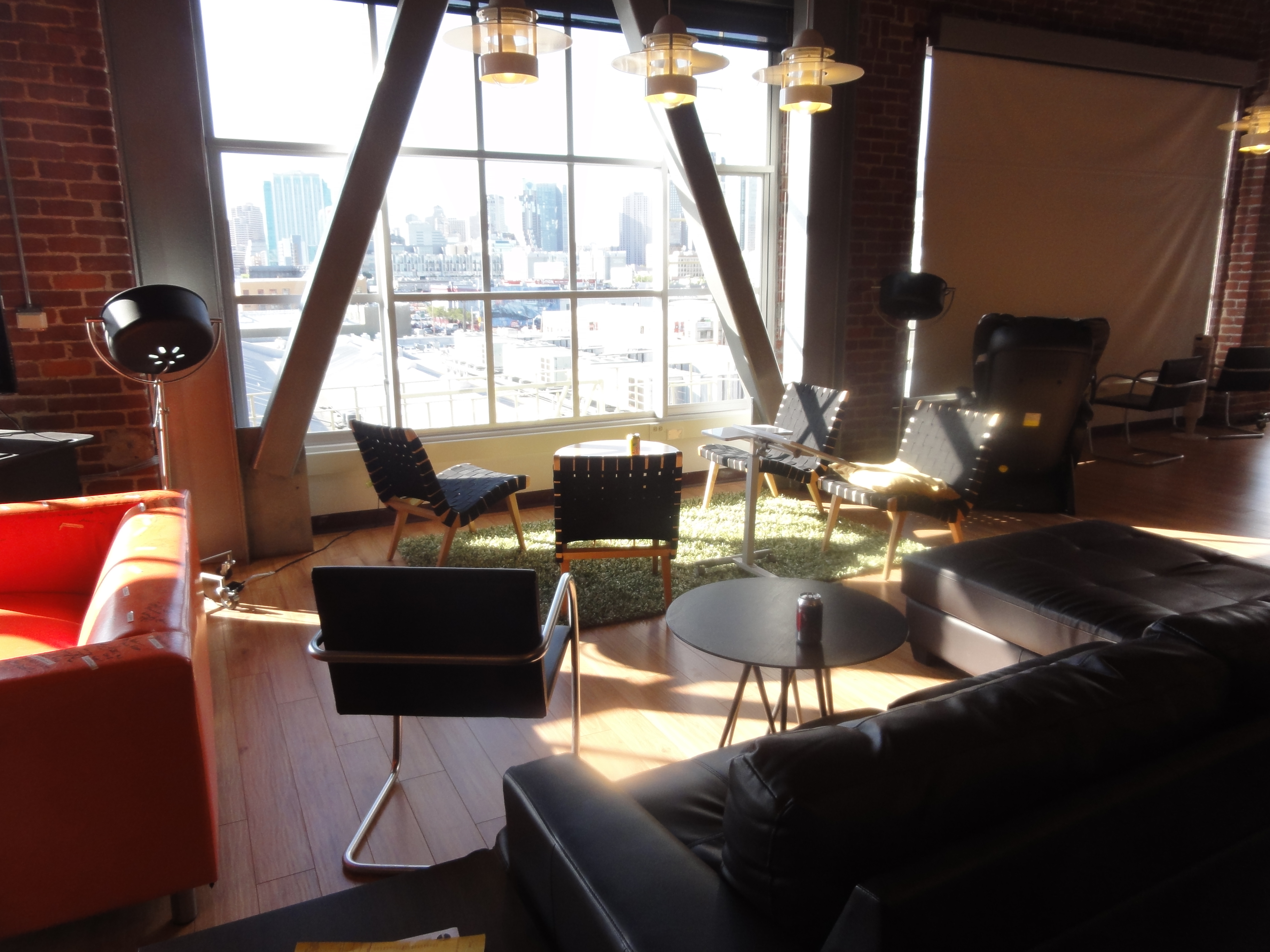
Ustream informal space next to Kitchen

Ustream’s informal space next to the kitchen provides an excellent informal eating area.
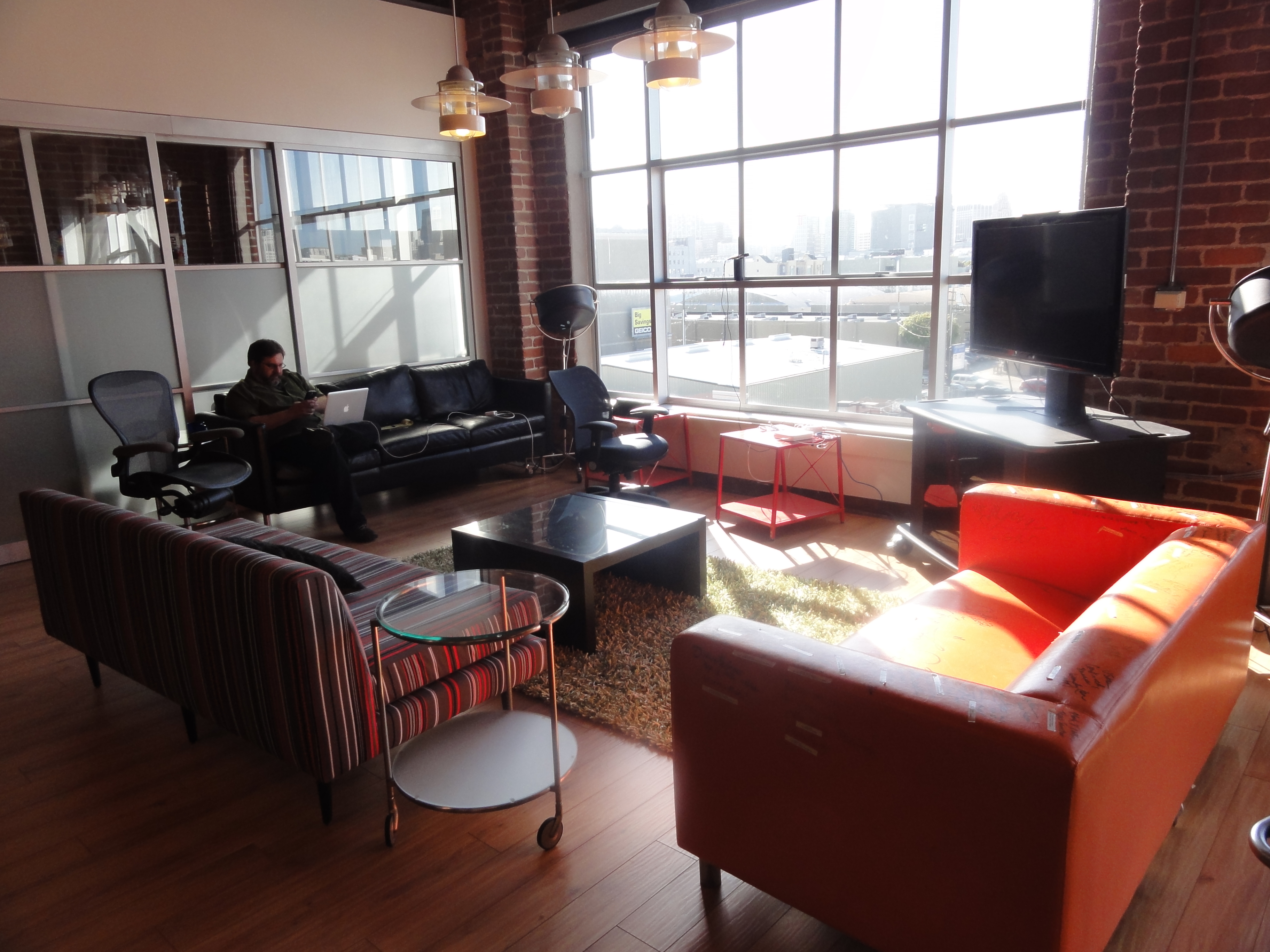
Ustream couches next to kitchen

Ustream’s couches next to the kitchen are used as a casual work area.

Casual Work Area at Yammer at PMI's 410 Townsend

PMI’s casual work area for Yammer at 410 Townsend in SoMa.

Rows of couches forms more casual work area at Yammer

Rows of couches facing each other with side coffee tables form a more casual work area in Yammer’s suite in San Francisco.
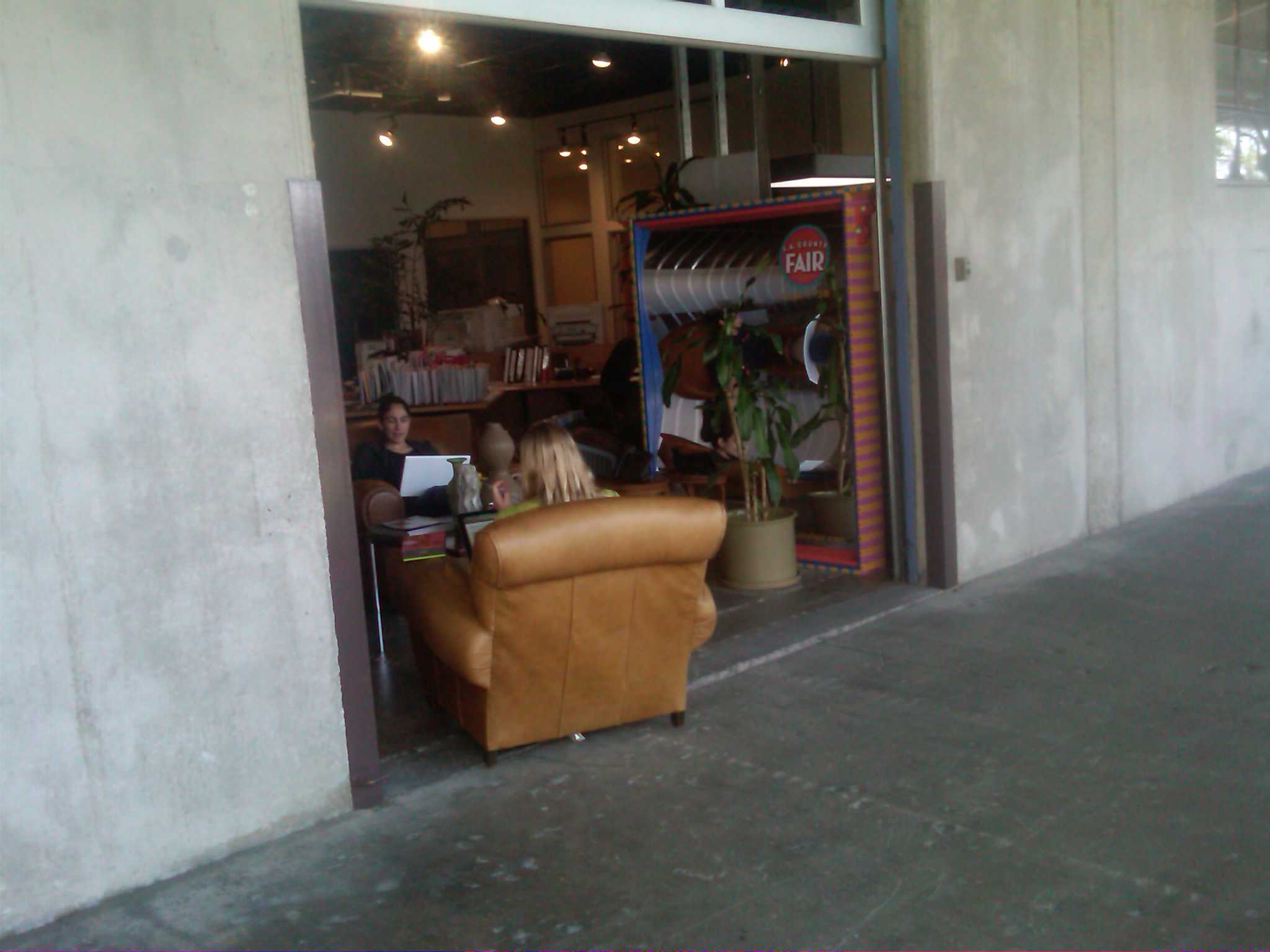
Another third place work area created under a glass roll up door adjacent to the old loading dock.

PMI’s third space work area at 4223 Glencoe in Marina Del Rey was created under a glass roll-up door, adjacent to the former loading dock.

Blow out kitchen at 3525 Eastham, Culver City

Another PMI blow out kitchen at 3525 Eastham in Culver City.

The private outdoor deck at 10951 Pico serves as another Third Space.

The private outdoor deck at PMI’s 10951 Pico building serves as another third space.

Outdoor decks are great areas for third spaces.

Outdoor decks and patio areas are great for third spaces.

Area adjacent to a Glass Door to Outdoor space Makes an Excellent Area for a Casual Meeting Area

The area adjacent to a glass roll-up door makes an excellent area for a casual meeting area at 4223 Glencoe in Marina Del Rey.

Sony July 7 2011 022

This casual area is apart of an expanded kitchen, which increases the third space even more.

Designers are getting inventive in creating third space areas (This example is from 410 Townsend in San Francisco).

Designers are getting inventive in their creations of third space areas (410 Townsend, San Francisco).

More Third Space at 410 Townsend

Additional third space at 410 Townsend in San Francisco.
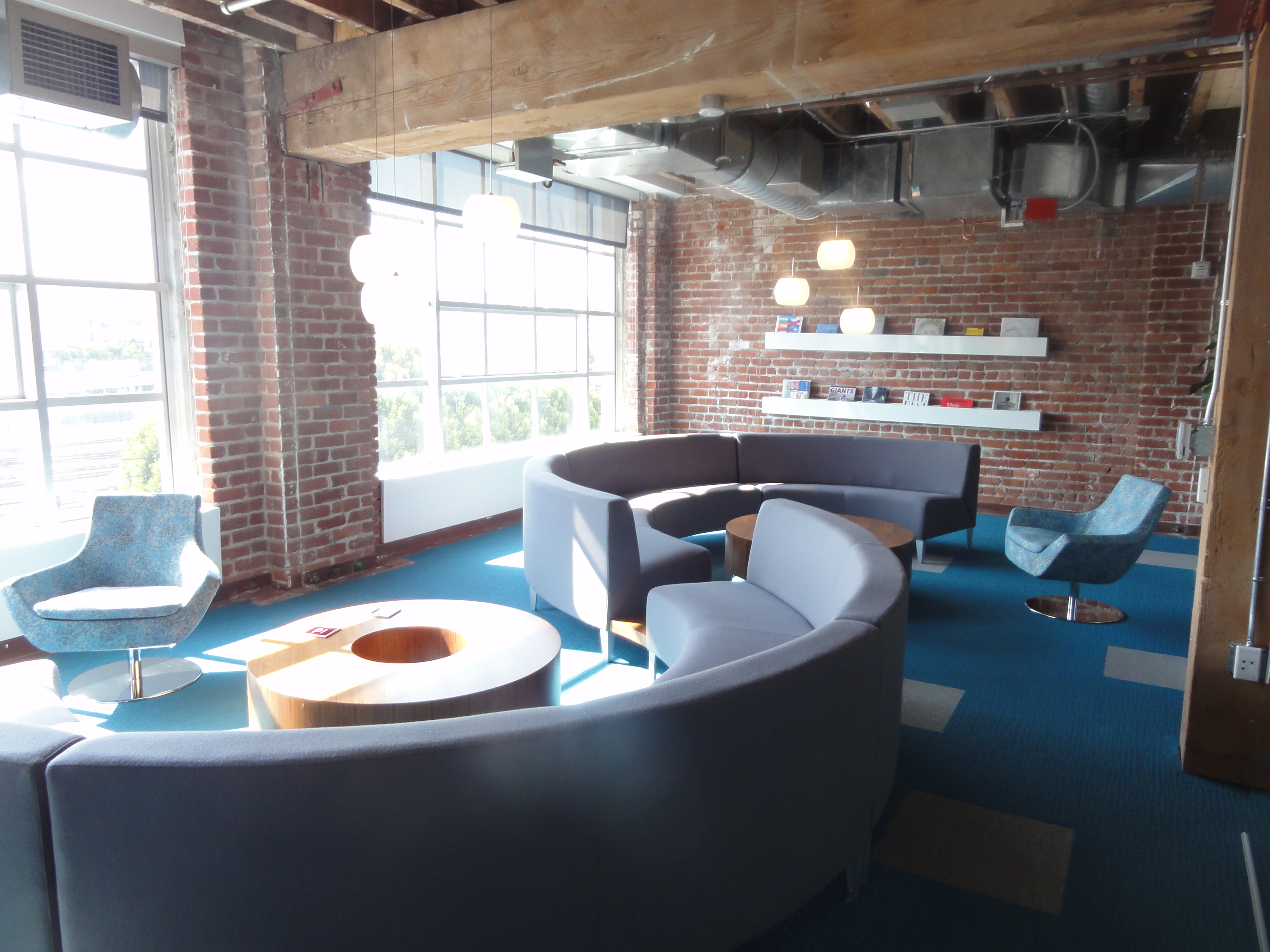
An informal meeting area as third space at 410 Townsend, San Francisco.

An informal meeting area as third space at 410 Townsend, San Francisco.

This is actually a Peet's Coffee in LA but i is getting hard to tell the difference from third spaces in offices

This is actually Peet’s Coffee in Los Angeles. It’s getting hard to tell the difference between cafes and third spaces in offices (with the exception of the piles of coffee).

To read more about third spaces, click here.

The Los Angeles Startup Boot

Los Angeles Startups by Representla.com

Los Angeles Startups by Representla.com

It is no surprise that Los Angels start-ups cluster along the Silicon Beach from MDR to Manhattan Beach.  Startups form a boot with the foot along the beach and shaft passing through Culver City, West Los Angeles,  Beverly Hills, West Hollywood, Hollywood,  Downtown  and on to Pasadena.  Santa Monica has the great concentration of start ups and constitutes the heel of the boot.  They are not in the Valley, Glendale, Burbank, South Los Angeles, Northeast Los Angeles or East Los Angeles.

Facebook offered Snapchat $3 billion and Why this Is Important for Silicon Beach

The prosperity of an area has been linked to breakout companies and technologies.  The newly minted multimillionaires break off and start new companies.  The company itself expands and also attracts other similar companies.  Snapchat may be Los Angeles’ first new break out company since MySpace and will greatly improve the ecosystem in Silicon Beach.

Facebook offered Snapchat $3 billion.

New PMI Creative Multifamily Silver Lake Renovation Opens

We took a 1960’s apartment building and renovated it into a hip new apartment for Millennials with the assistance of Adaptive Realty .  The goal was to re-imagine this 1960 apartment building and convert it into a creative multifamily property for the gentrification occurring now in the south part of Silver Lake.

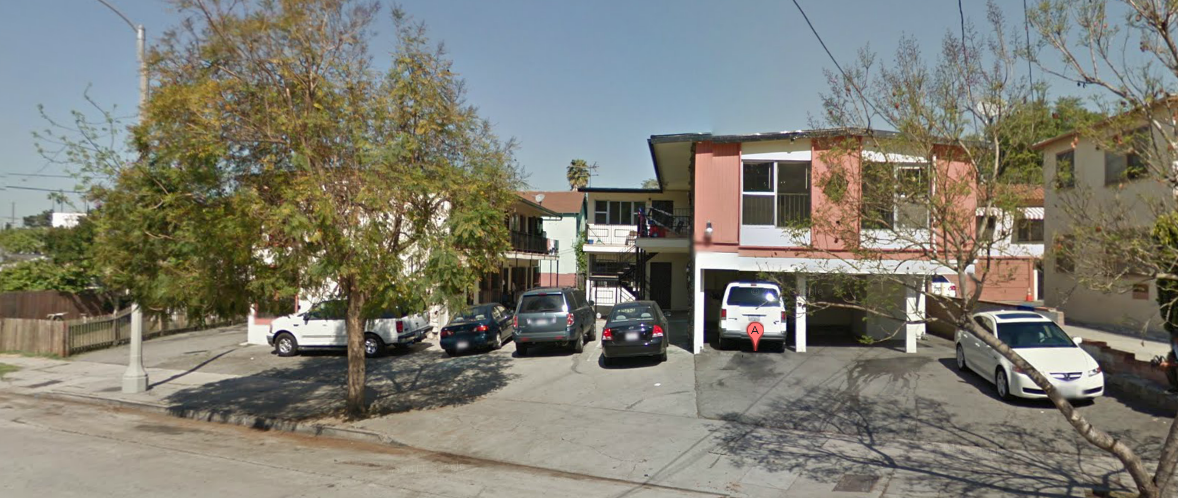
Before Exterior

Before Exterior

Before Exterior 2

Before Exterior 2

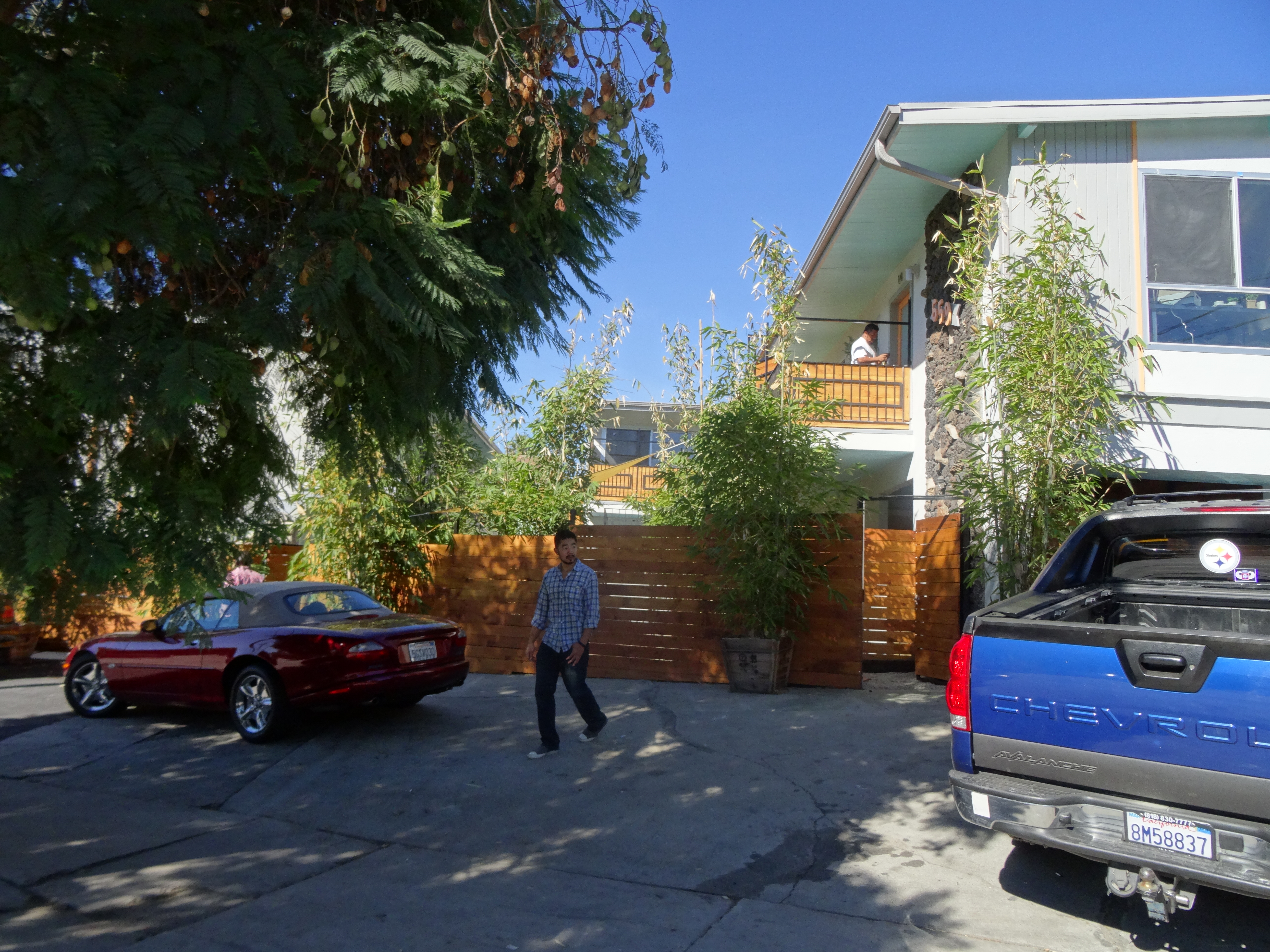
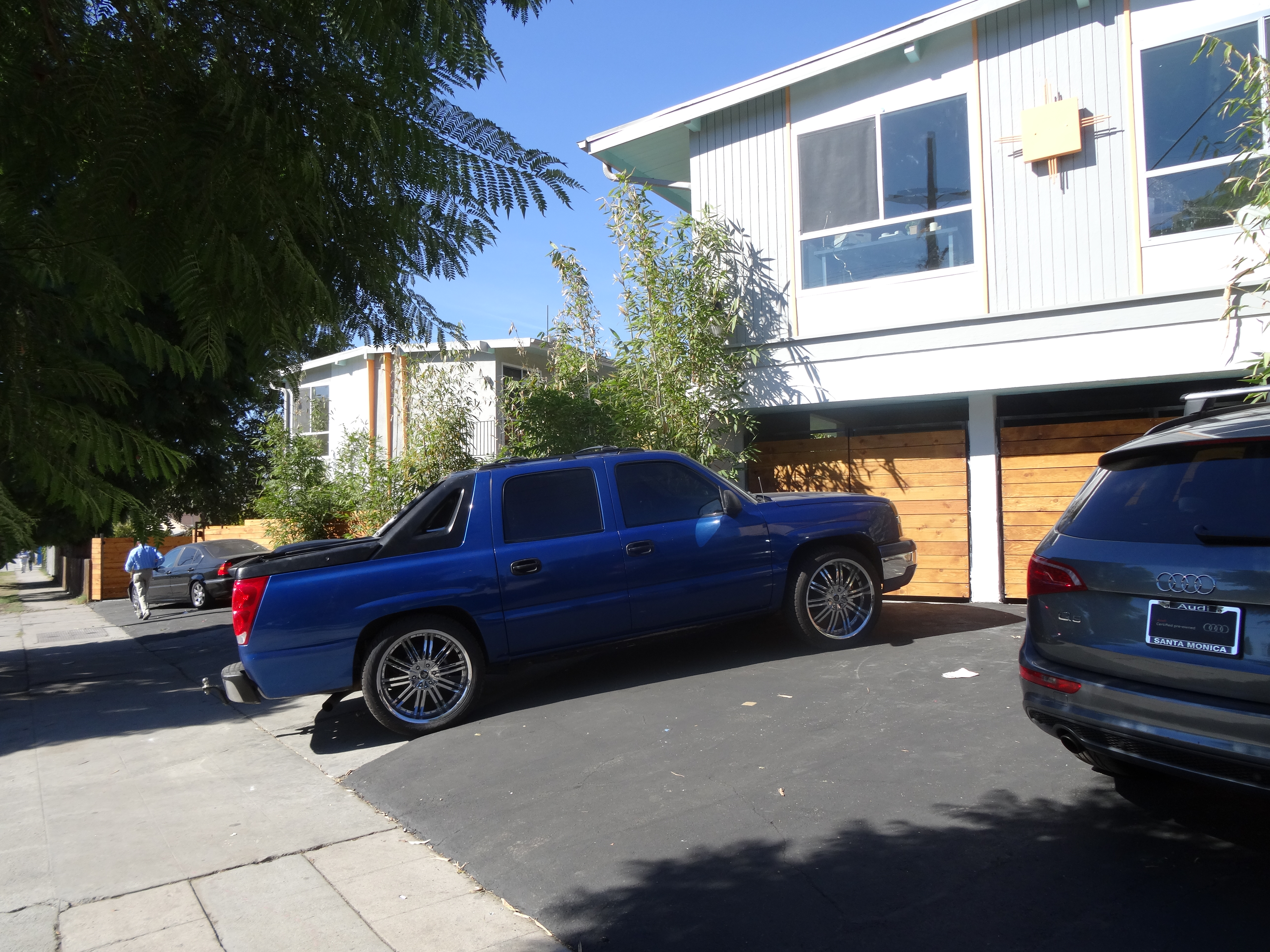
On the exterior, we added new paint, landscape, and fencing to create a new facade suggesting both a secure and new fun environment inside the gate.  One reads the horizontal natural wood siding as the telltale of a renovated northeast Los Angeles housing project.

After Exterior

After Exterior

More After Exterior

More After Exterior

Even More After Exterior

Even More After Exterior

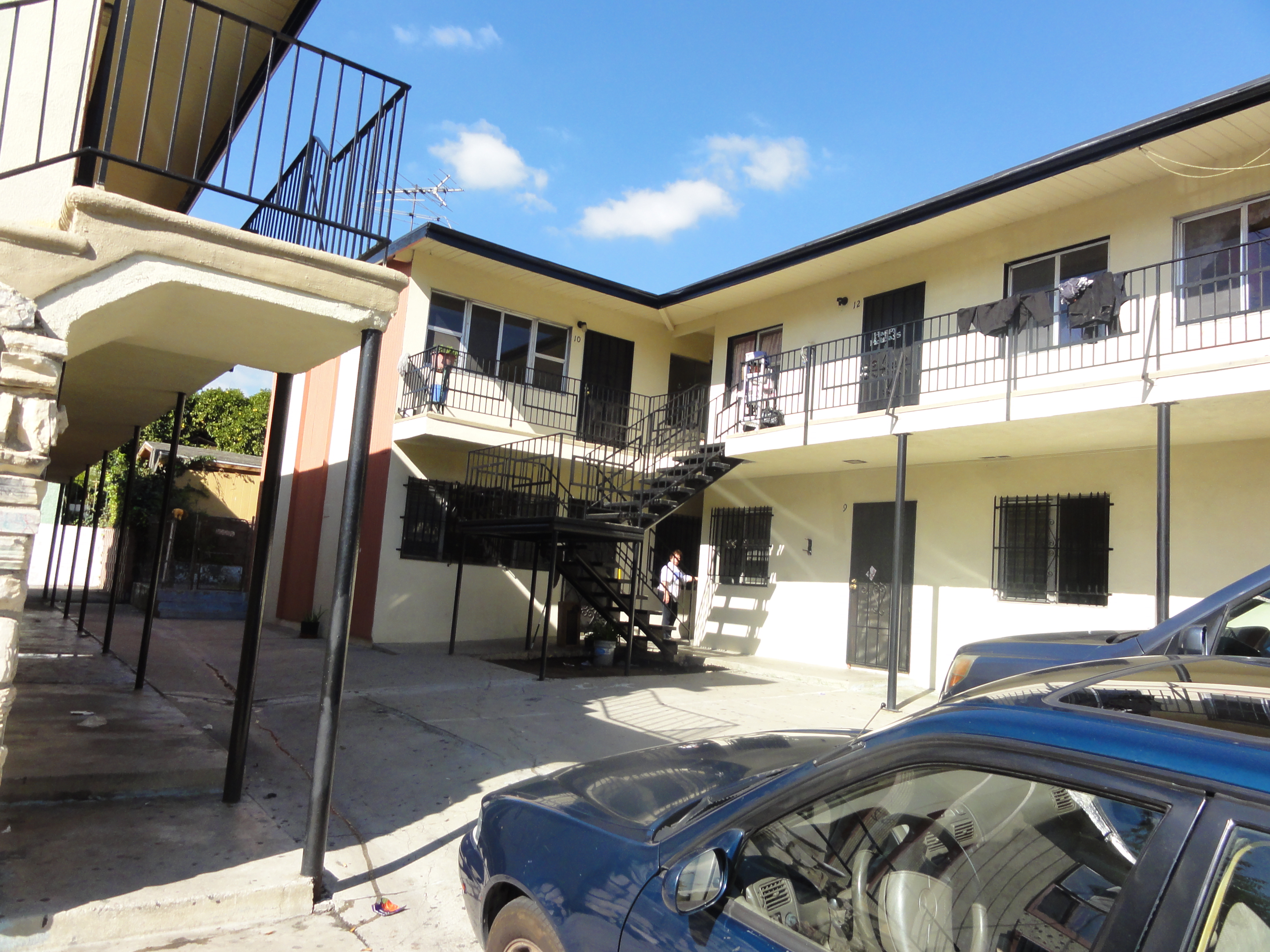
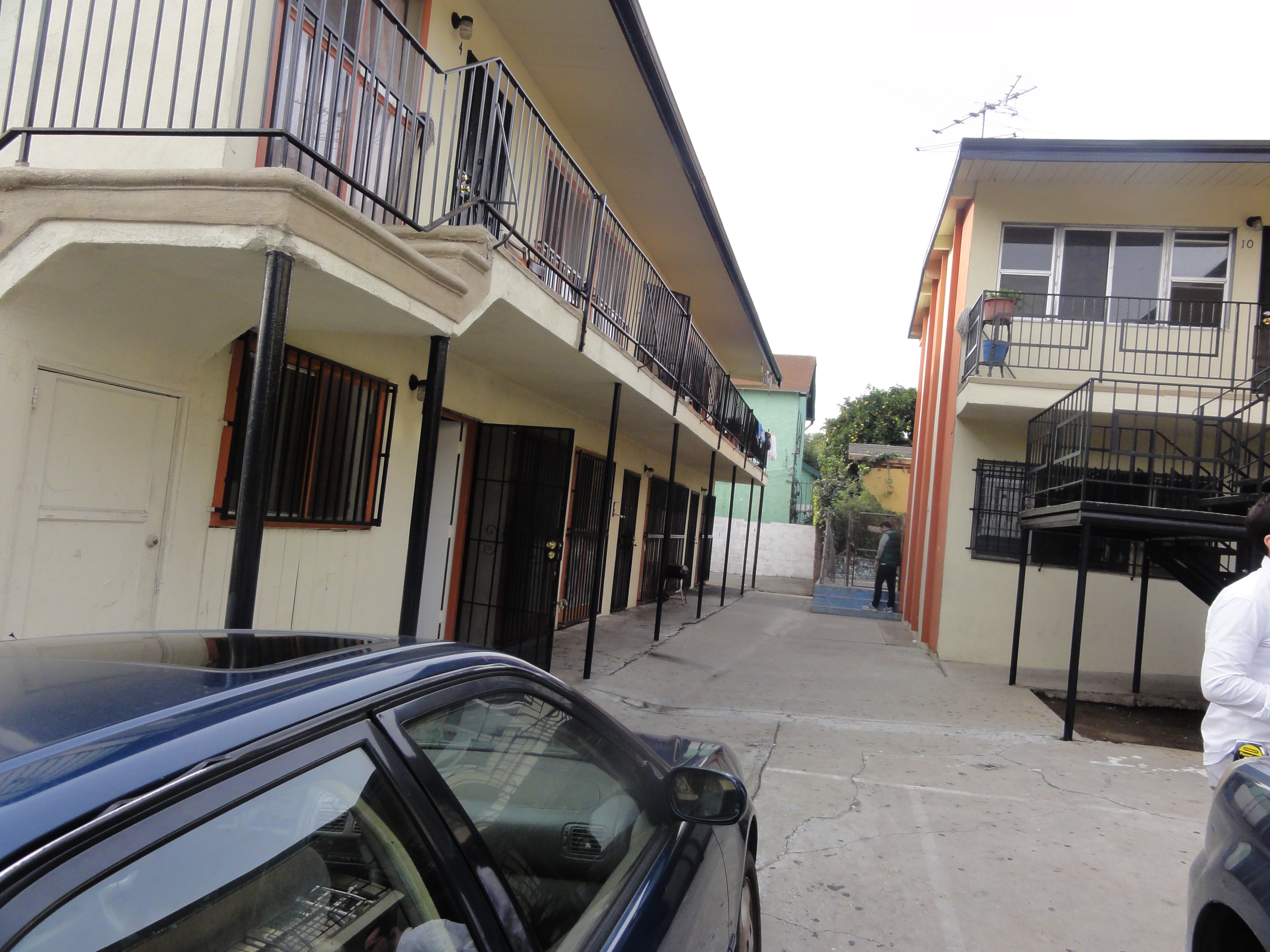
Below is the interior courtyard before renovation.  The buildings formed a courtyard paved with asphalt.  The catwalks made the courtyard look like a prison yard.  The asphalt devoid of landscape gave the impression the courtyard was meant only for cars like a 1950s motel.

Before Interior Courtyard

Before Interior Courtyard

Before Interior Courtyard 2

Before Interior Courtyard 2

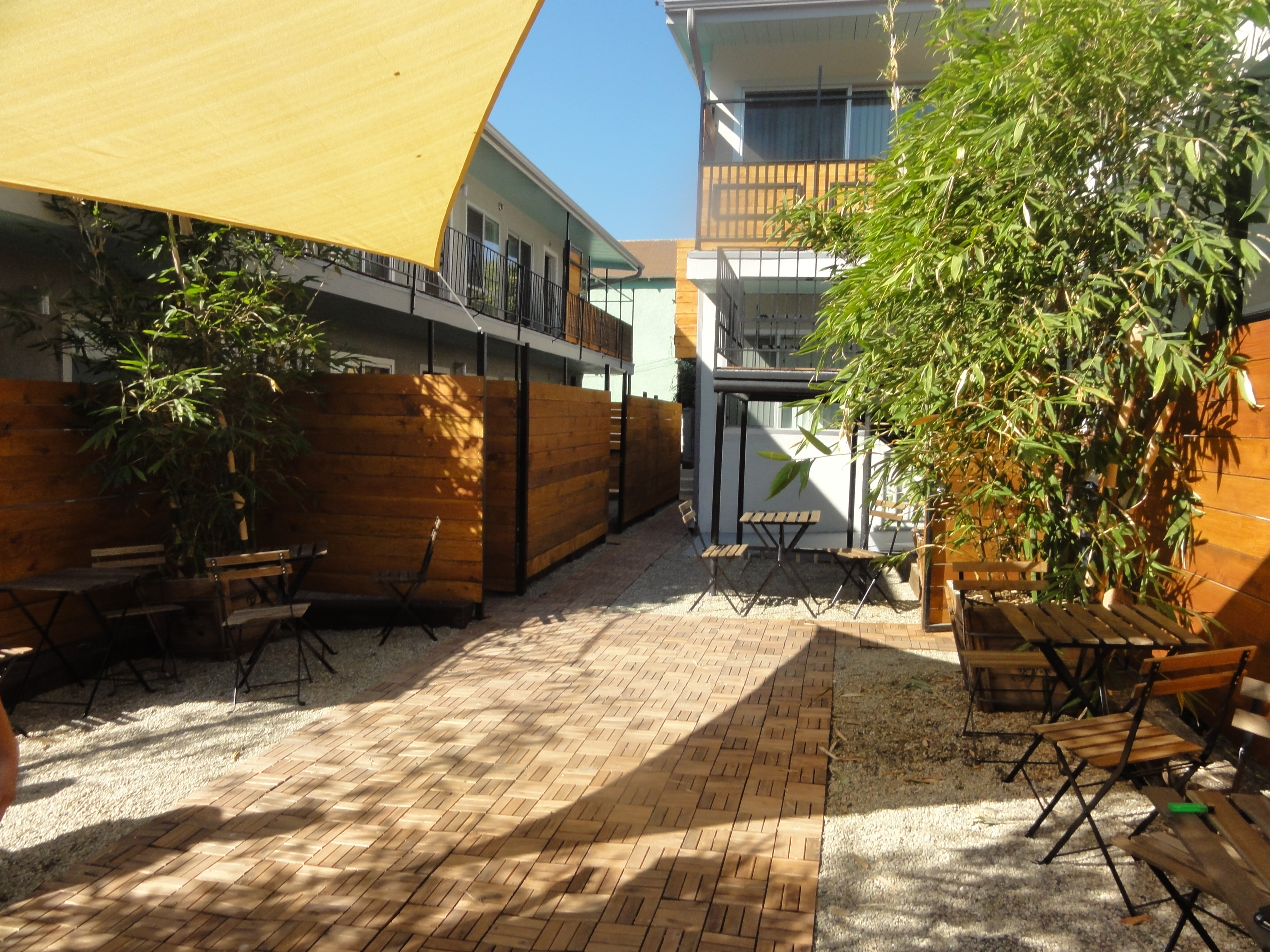
We fenced off the courtyard; added siding to the rails; privatized patios with wood horizontal  fencing; and installed new landscaping and hardscaping. We added tables and chairs to create  a social collaboration area. The new courtyard looks like an outdoor cafe

New Interior Courtyard

New Interior Courtyard

Part of the courtyard was fenced off to create private patios and create a cafe look into the public courtyard

Part of the courtyard was fenced off to create private patios and create a cafe look into the public courtyard

More Interior Courtyard

More Interior Courtyard

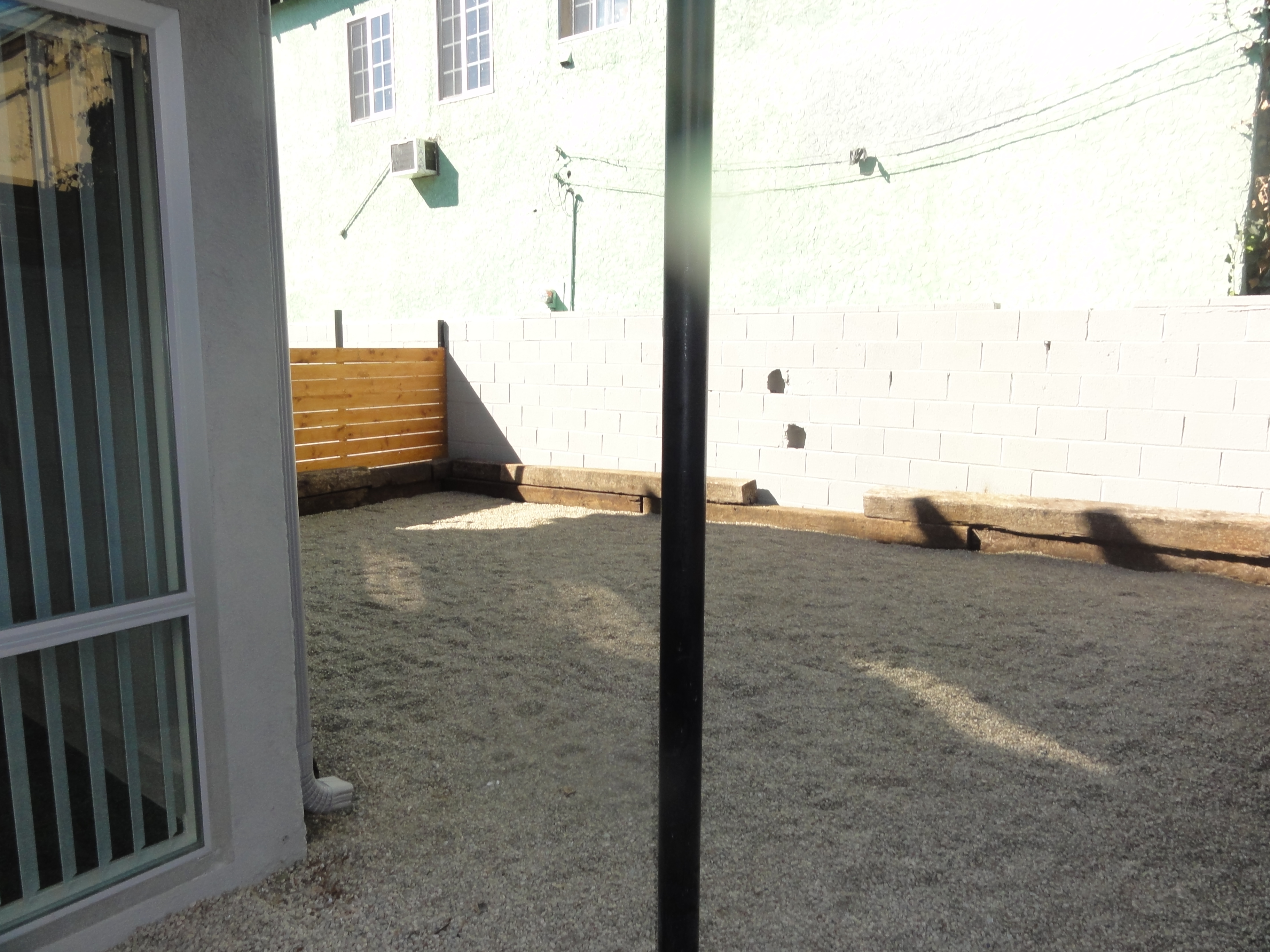
We  used the excess land to create some private patios the size of small backyards.

Private Backyard

Private Backyard

New Private Exterior Patio to Unit

New Private Exterior Patio to Unit

We even privatized the end portions of the catwalks to create private balconies:

Private Balconies

Private Balconies

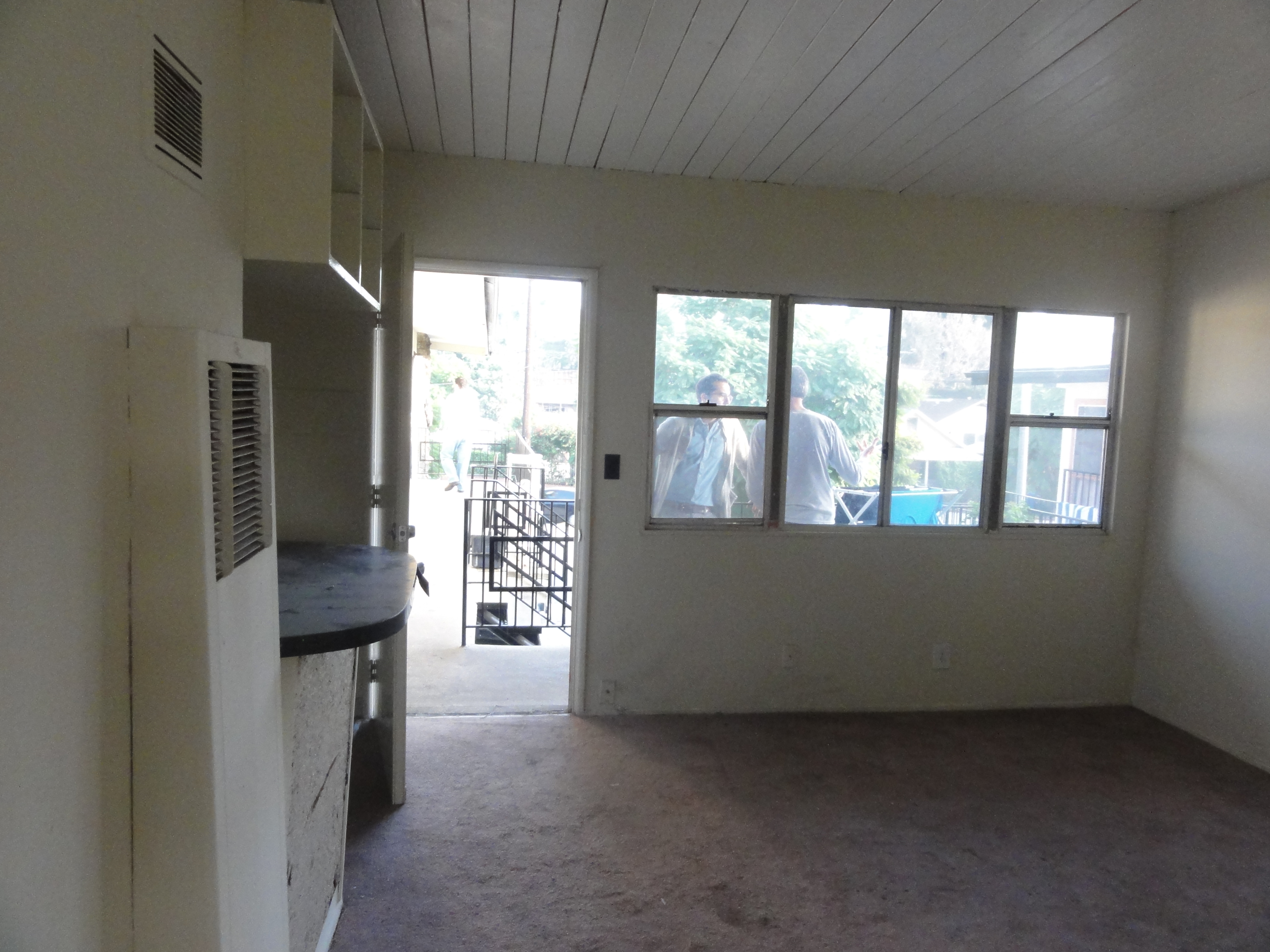
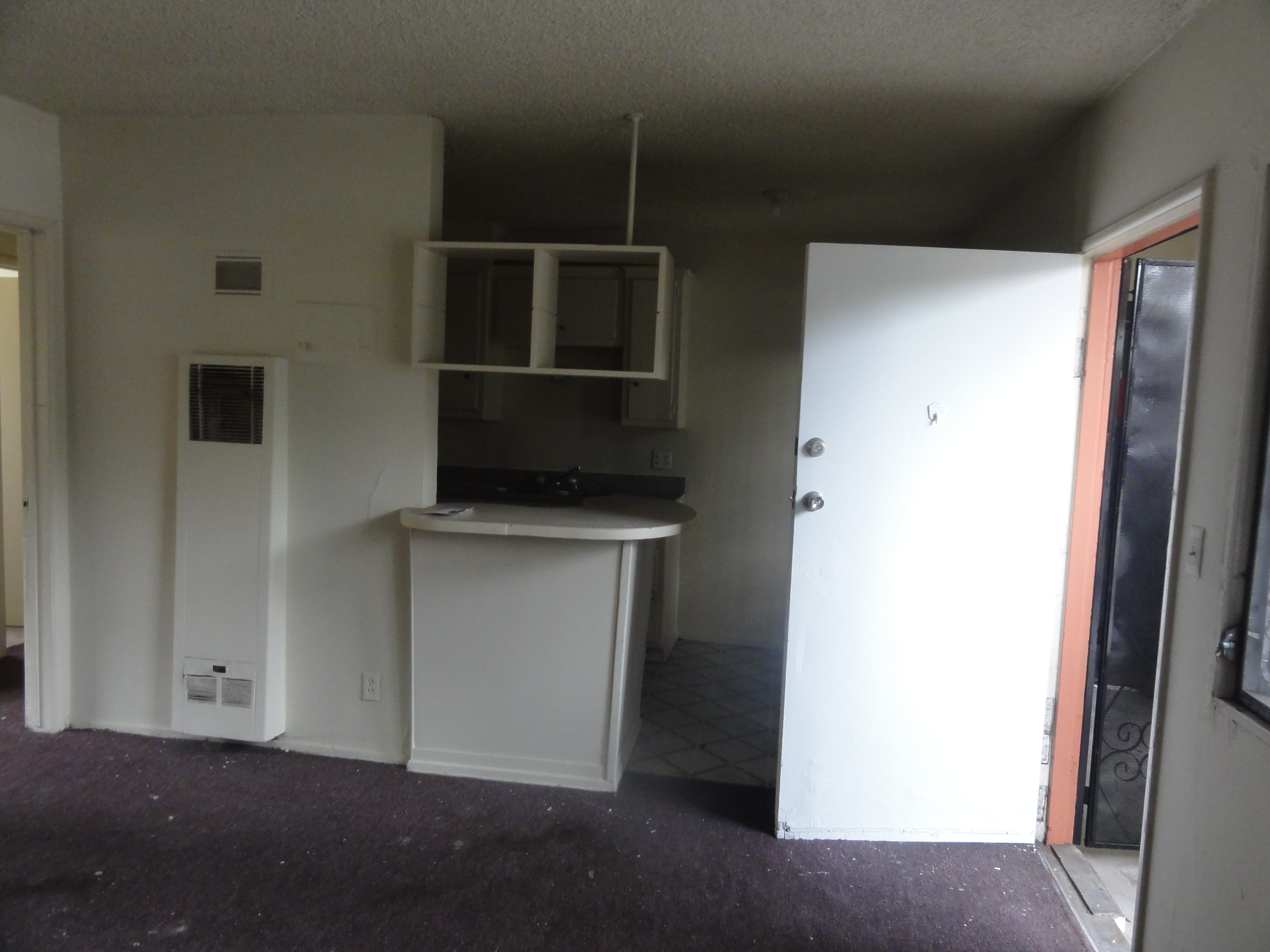
The units were typical dingbat 1960 units with popcorn ceilings, carpet, laminate counter tops, and cheap kitchen cabinets. The kitchen was closed off from the living room with only a pass thru counter-top with  cabinets above.

Before Kitche

Before Kitchen

Before Living Room

Before Living Room

Before Interiors 3

Before Interiors 3

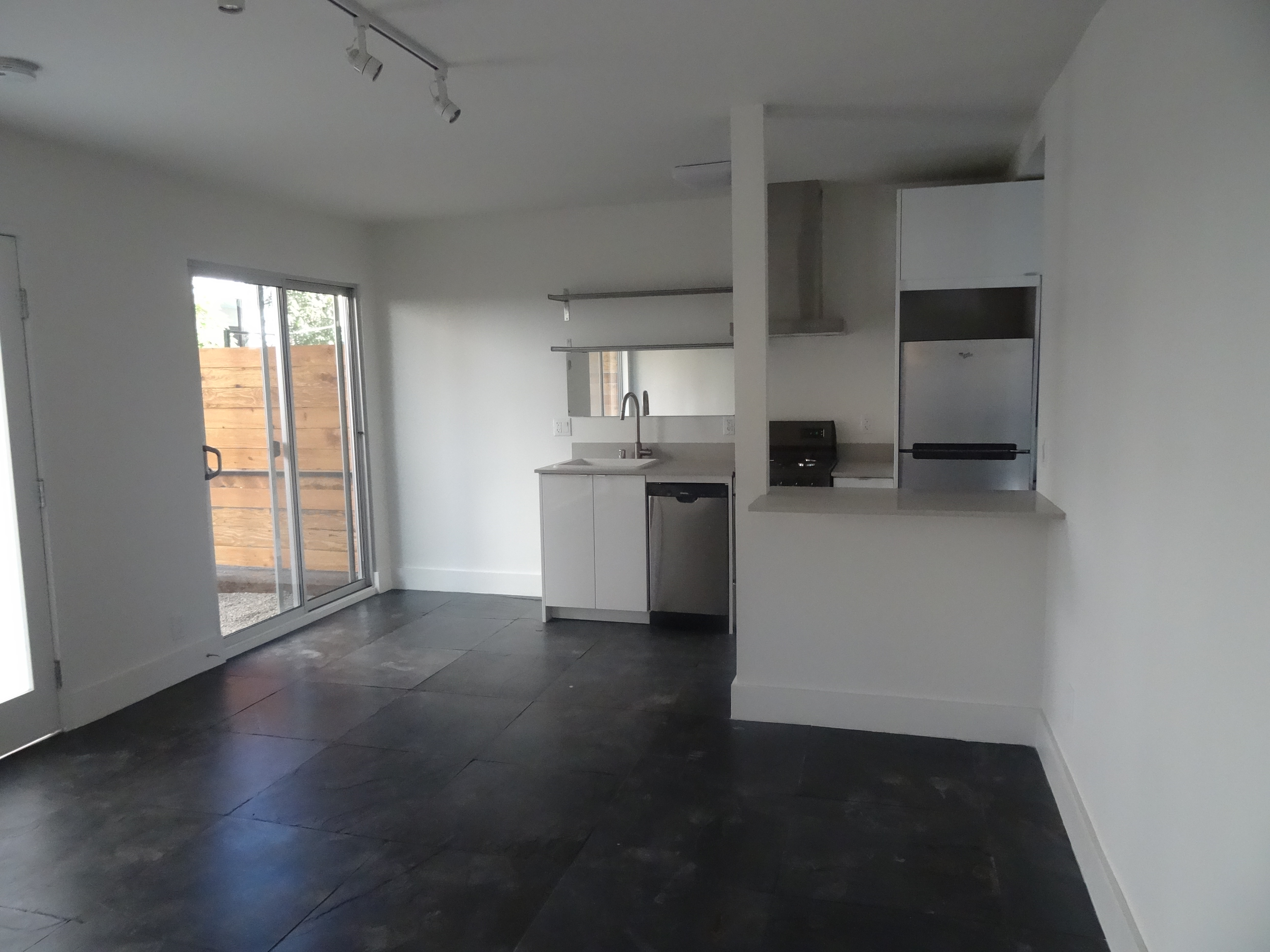
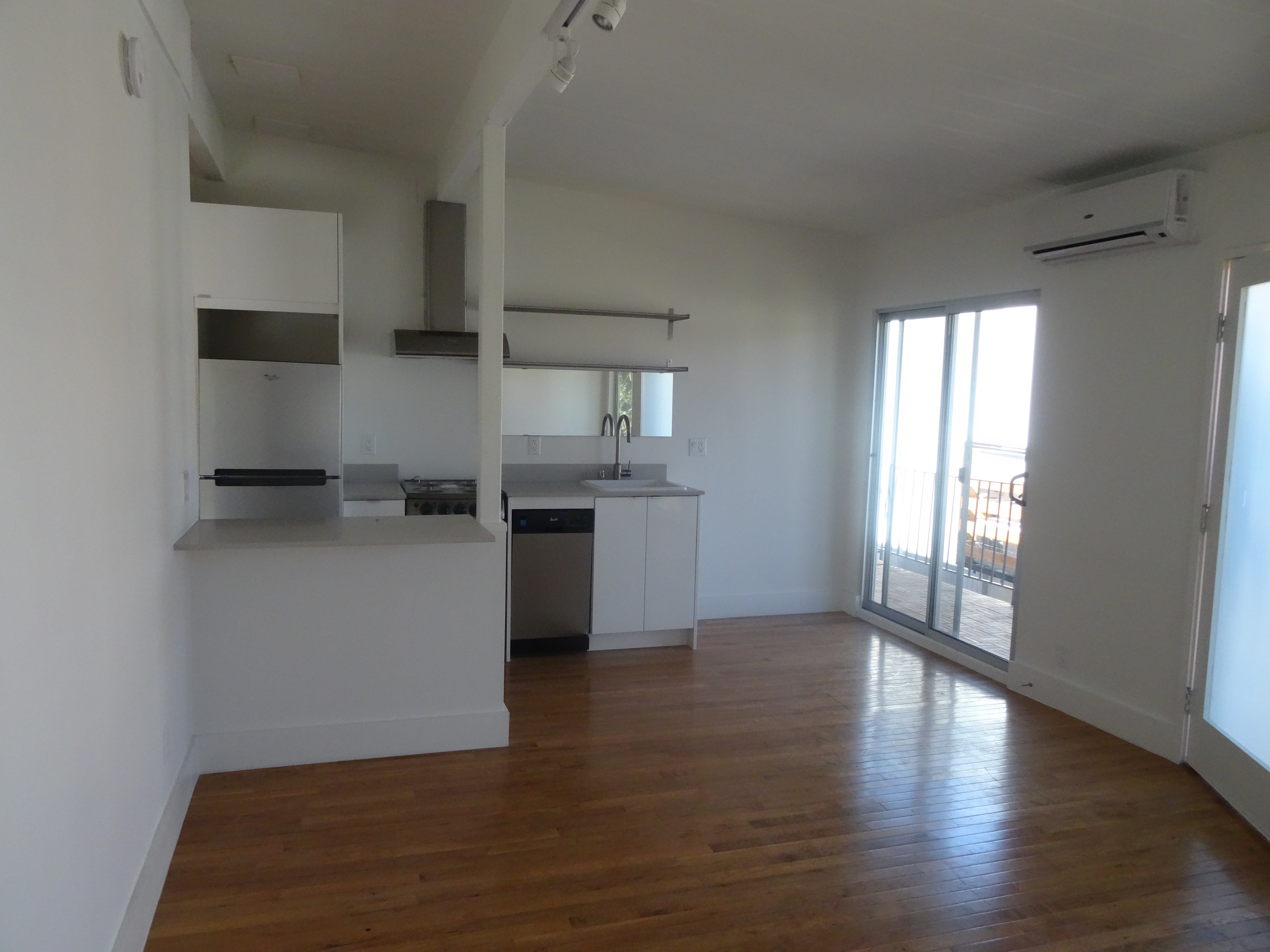
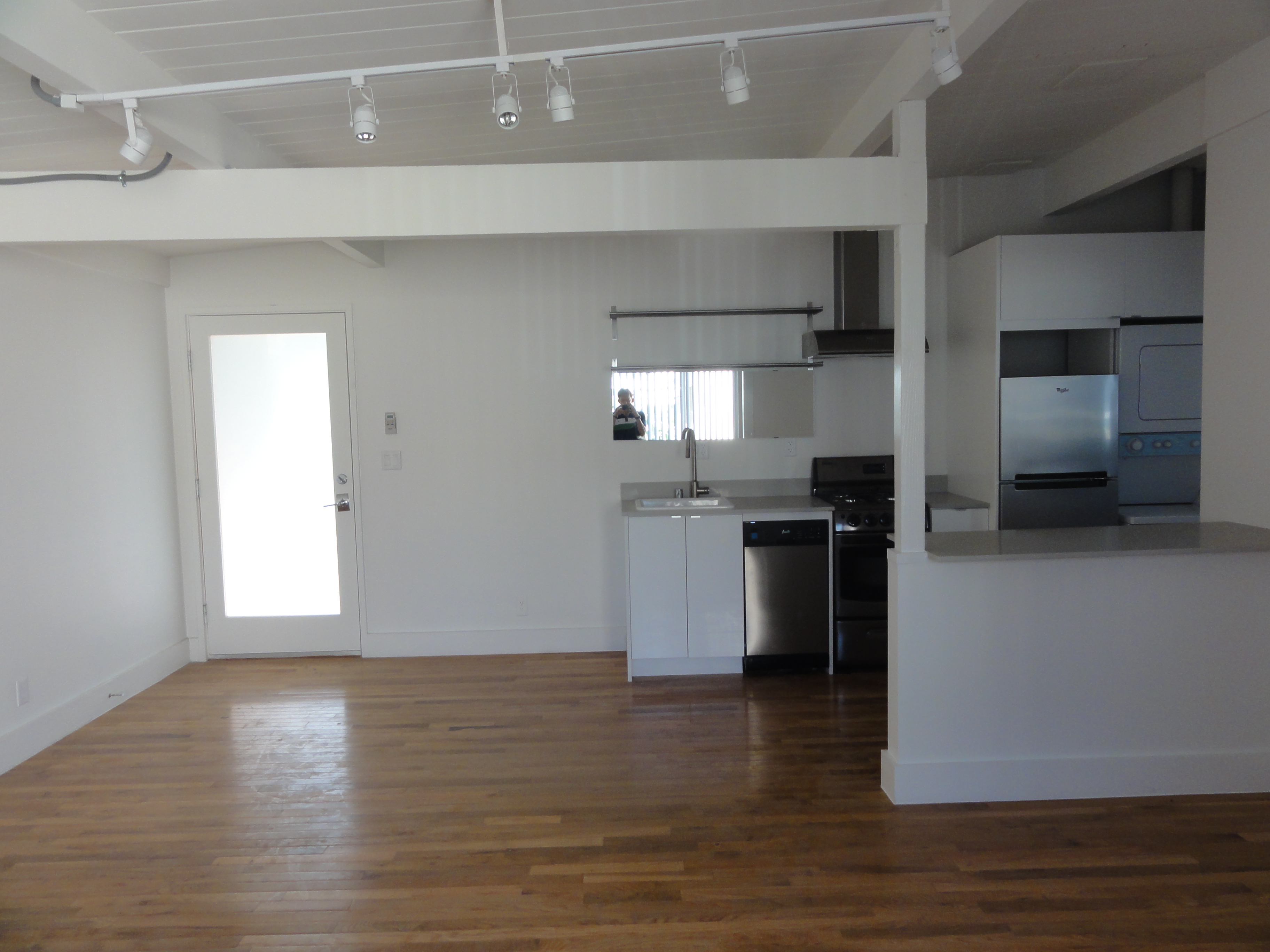
The 500 square foot one bedroom units now have quartz counter-tops, white thermafoil cabinets, designer stove hoods, eating bars and drywall ceilings. We combined the kitchen, living, and dining room into one  cafe style great room.   On the ground floor, large charcoal color slate floors distinguish the unit from just another typical apartment unit, while on the second floor ,sloped white wood ceilings contrasted with natural oak floors do the same cool trick.  In Silver Lake, young renters of the creative class yearn for something different than the.typical apartment.  Every unit has washer dryers, mini-splits for heating and cooling, and track lighting.

Ground Floor Unit with slate floors

Ground Floor Unit with slate floors

After Renovation Second Floor Unit with Wood ceilings and floors

After Renovation Second Floor Unit with Wood ceilings and floors

Another Second Floor Unit After Renovation

Another Second Floor Unit After Renovation

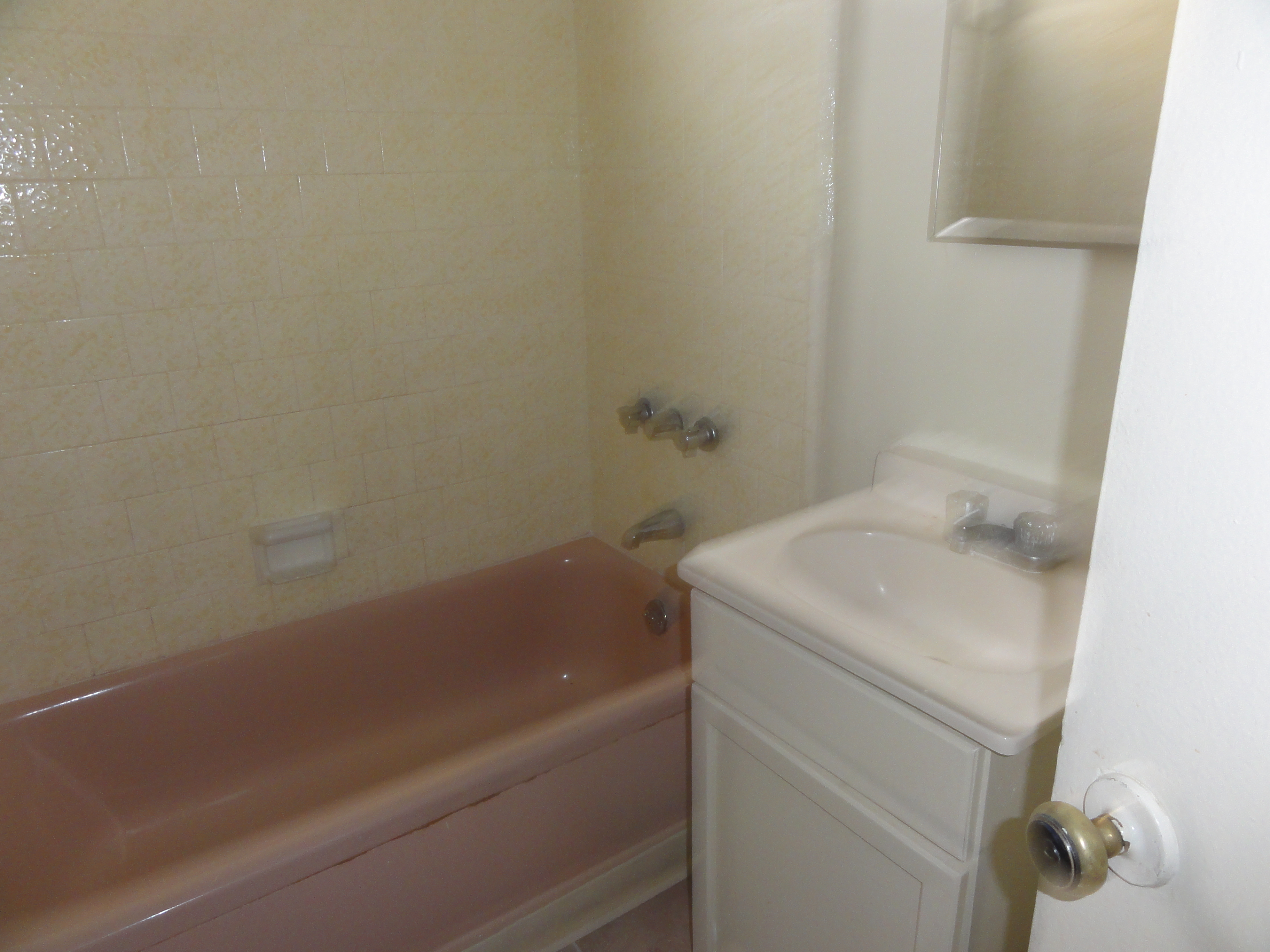
The bathrooms before renovation featured the traditional 1960 dingbat pink tub and home depot type apartment vanity.  We installed subway tiles as homage to the old and new contemporary vanities to blend in the new.

Before Bathroom

Before Bathroom

After Renovation Bathroom with subway tiles and new vanity

After Renovation Bathroom with subway tiles and new vanity

We even re-imagined the carports by privatizing them to allow for use either for parking or a private studio/workshop/storage.

Carports become partially enclosed to use for either parking or a workshop/studio

Carports become partially enclosed to use for either parking or a workshop/studio

Bikes, Bike Rentals, Showers and Getting to Work

2013-10-04 10.40.49This new bike rental program is available in New York, San Francisco, and  Chicago.  As a member, one can take a bike from any station and return it to any other station in the City.  Stations are located all over town.  You pay an annual fee of approximately $99 per year and get the first 30 minutes for free and $4 per hour thereafter.  You only need get the bike back to a station not to incur the overtime charge.  For commuters within an easy 30 minute ride of their work, they can rent the bike at the train or subway  and ride it to another bike station near work.  After work, they can take the bike from the station back to a station near the train or subway.

Bikes may be another way to solve the problem on how to get from the Expo line to work and vice versa.

How about using a bike rack to carry a bike to work?  Find free parking somewhere near work and ride the bike the rest of the way to work.

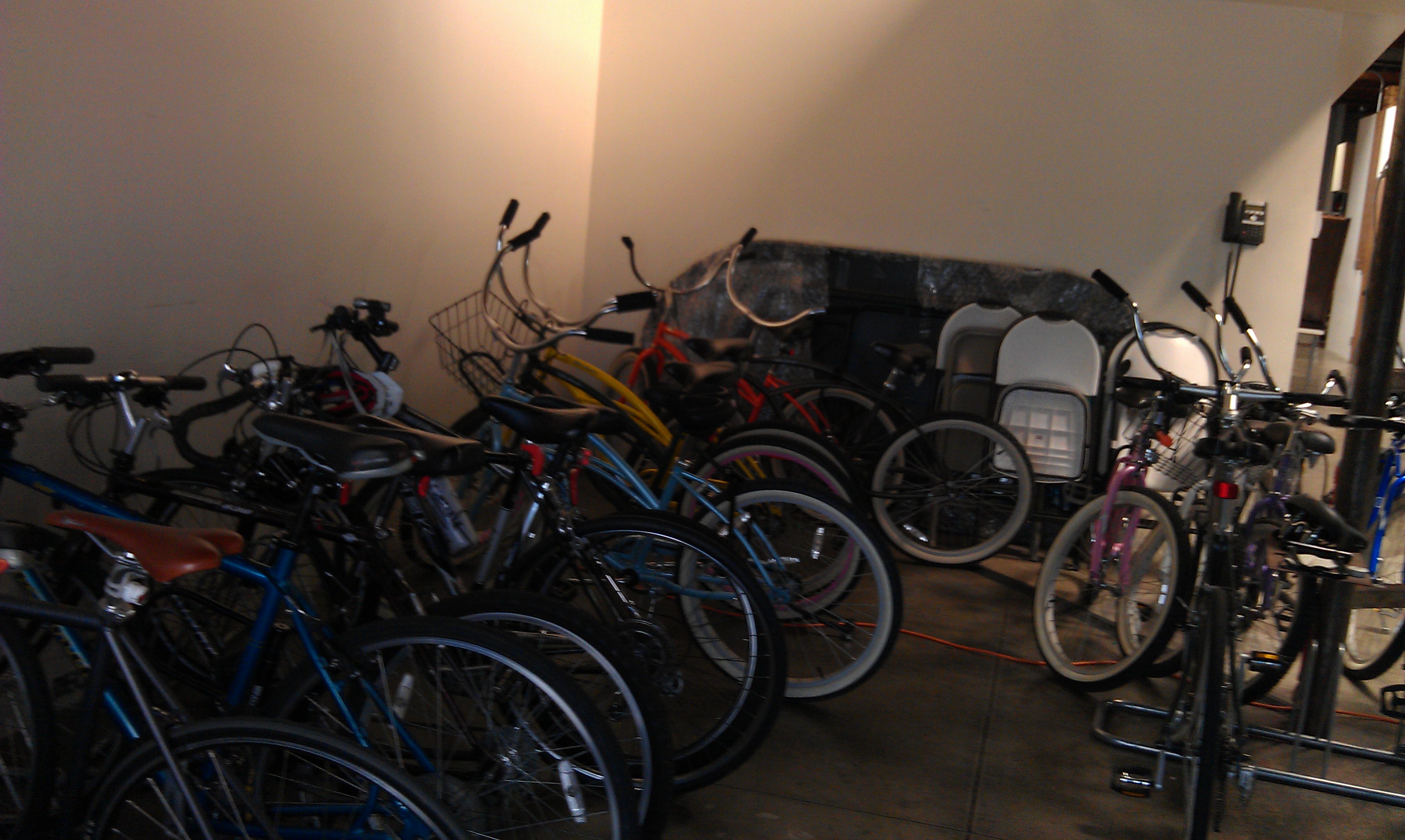
Bikes Parked at One of Our Tenants

Bikes Parked at One of Our Tenants

One of our tenants gives a free bike to any employee who agrees to ride a bike to work.  The company provides bike parking also.

In San Francisco, it is not uncommon for tenants to demand a shower in the building to use after a bike ride.  In fact, the zoning code requires that an office building provide a certain number of showers in the building depending on the buildings size.  Further, the code requires bike parking spaces.    In LA, we got a few of these shower requirements during the dot.com boom.   After the dot com boom, the replacement tenants wanted the showers taken out.  We just got our first request for a shower in a suite to accommodate bike commuters.

Using Lyft to Solve the Los Angeles Office Building Parking Problem

A Lyft Driver's Car

A Lyft Driver’s Car

Los Angeles companies continue to densify and fit more employees into less space.  The problem is where to park these employees.  Planners are betting the farm on new forms of public transit to solve this problem  Even with public transit, the problem is how to get from the train or light rail station to the office.  There is still a lot of street parking in Los Angeles as well as under-utilized lots.  However, this  parking is not within acceptable walking distance.  In Los Angeles, if you cannot open your car door and fall into the front door, it is not an acceptable walk. To solve the problem, about 20 years ago, the cities mandated mandatory ride sharing programs.  Companies complained of the expense, and the rideshare legislation was rescinded.

Now social media and collaboration has produced another form of private ride sharing in companies like Lyft and Uber.   Lyft is  an iphone or adroid app you use to summon a driver and pay him a suggested donation.  I have been told that in Los Angeles, these donations can be less than two thirds of the price of a cab ride. You can see the available Lyfts near you on your smartphone and whether they are coming to get you.

Companies or landlords could contract with Lyft drivers to pick employees up from the Expo station or other areas with available parking and take the employees to work.  This process may end up being less expensive them hiring a valet or building additional parking spaces.  At $10 a day for rides back and forth to work from a nearby location–the Lyft would cost $200 per month.  OK, that is more expensive than most parking lots but not prohibitive.  Throw in some car pooling, and the price goes down.

Another alternative is for companies to do their own Lyft.  Designate those with parking as the drivers and the others as the passengers.  The passengers can send an alert out and a nearby driver can respond for a pickup on the way to the office. If no driver is available, the office can send out a designated driver for pickup.  Phone apps like instant messaging or Find My Friends or GPS Tracking can be used to facilitate pickup and logistics.

Can Fitbit Help the Office Parking Problem?

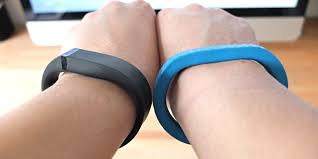
Fitbit

Fitbit

The Fibit is one of many social media wearable smart pedometers in the market today.  The Fitbit (like the Nike Fuelband and the Jawbone Up) tracks your steps, calories, miles, and aerobics.  You can share your results with friends also using the device and create a competitive environment.  Walking can burn calories.  You get almost  as much calorie burn per mile whether you run or walk, although you will  not get the same cardio benefits in a walk.  The Fitbit or these other devises try to get you addicted to walking.  The goal is at least 10,000 steps a day.  If you subtract 3,000 steps you would get anyway in daily living, you achieve about 7,000 extra steps.  That can equate to a little over 3 miles per day (equivalent to a half hour or more run for many).

Our office building at 10951 Pico Boulevard is a third of a mile from plentiful free  parking along the new Expo Line.  We can give employees who give up parking a Fitbit if they use the Expo Line parking.  Each day, the employees would get 1385 fit bit points (steps)  for a seven minute walk to and from work toward their 10,000 steps.  Thus, both the exercise and parking problems are solved.

How Will Older Office Buildings Compete in the New Workplace? Did Someone Give an Office Recovery and Forget to Invite Us ?

Many buildings  will be at a competitive disadvantage because of their design. Further, changing office density (workers per square foot) is becoming a heavy drag on a stronger recovery in the office market.  Business are finding ways to fit more people into less space.  This is not your father’s recovery.  Companies are shrinking their per-employee square foot requirements while demanding more collaborative space. Even as tech and media companies hire, other companies continue to shed employees.   The net result is a slower office recovery than in previous cycles.  We have seen this manifest in continued high tenant improvements and free rent even in strong markets like the Santa Monica.  Business are demanding and getting the latest and greatest tenant improvements.  With vacancies still over 10% in most markets, Landlords are forced to comply or they comply to maximize contract rents.

In today’s Los Angeles Times (October 13), one broker explains:

One big reason this office market recovery is much slower than others is that many firms are packing more workers into less space.

The ho-hum recovery has hit downtown Los Angeles especially hard, said broker David Kutzer of Newmark Grubb Knight Frank. Law firms, banks and other corporate businesses have been cutting back on private offices and workers’ cube space. Open floor plans are becoming the norm.

“There is far less ‘me’ space and more ‘we’ space,” Kutzer said.

See:  Los Angeles Office Market’s Ho Hum Recovery

In Los Angeles and San Francisco, the market is driven by tech and/or media tenants who desire creative spaces.  These tenants want more power, flexible lease terms, open and high ceilings, less offices, more conference rooms, bigger kitchens, and non-corridor entries.   The new density is creating a special problem for Los Angeles office buildings.  Businesses now need parking that most buildings do not have.  Businesses now need more than 3 spaces per 1000 square feet as their density skyrockets above 4 employees per 1000. The success of Hackman’s Hayden Place and the Reserve and Hercules campuses  in Playa Vista can be attributable to their creative design and plentiful parking.

You can read the full article below.

How Will Older Office Buildings Compete in the New Workplace? – CoStar Group.