Unknown's avatar

About PMI Properties

PMI is a thirty year old property investment company located in Beverly Hills/Bel Air that invests in commercial and residential real estate. Since its founding in 1978, PMI Properties has closed over $500 million in office, shopping center, industry and apartment properties throughout Los Angeles and San Francisco. PMI's most recent endeavors have focused on pioneering creative office suites in office buildings and converted warehouses.These properties have been primarily located in Los Angeles and recently in San Francisco. PMI had its roots in investing in apartments, but more recent investments have focused towards offices, creative offices and converted warehouses. PMI was the first to pioneer a new, creative suite in office buildings with its proprietary "lifestyle suites," which featured skylights, partial hardwood floors, designer lighting, raised ceilings, interior glass, and other upgrade features. PMI pre-built the suites in an efficient and generic floor plan that not only achieved a premium, but also rented faster than suites requiring build-to-suit modifications. PMI was also one of the first to convert warehouse industrial facilities into flex creative space prior to the Internet boom. Today, PMI's suites are some of the most coveted creative offices on the market. Subscribe to get our newsletter and blogs for free! http://eepurl.com/hG0V2

Landlords, tenants unite on amnesty plan for illegal apartments – LA Times

Each year, the Los Angeles housing department discovers 600 to 700 unapproved apartments. Above, this building on South Corinth Avenue was found to have bootleg apartments in 2008. It's now under different management. (Gary Friedman, Los Angeles Times

Each year, the Los Angeles housing department discovers 600 to 700 unapproved apartments. Above, this building on South Corinth Avenue was found to have bootleg apartments in 2008. It’s now under different management. (Gary Friedman, Los Angeles Times

Both tenants and landlords want to provide a way for non-conforming units to be made legal.  Homeowners typically oppose this due to the increased parking and density these additional unit would create.  In reality, densification of apartments fuels Los Angeles’ supply of affordable housing.  Families and roommates both add to the density and parking demand in Los Angeles but also decreases the per person cost of housing.  Tenants rent rooms in their rent controlled apartments to other tenants.  I knew someone who actually lived rent free by renting our the other two bedrooms in his rent controlled apartment.  Millennials starting out in the work world can afford to live in popular areas with roommates.

However, homeowners are pushing back.  In 2012, as part of a Solar Energy Facilitation Bill, the City of Los Angeles passed an ordinance that provided that any additional parking spaces maintained in connection with a building become required parking and cannot be removed unless the parking exceeds the current code.  Thus, if a owner created additional spaces over that required at the time of his building permit,  he can no longer use those spaces to legalize non-conforming units or otherwise increase the density on his parcel.  These changes are a push back on densification.

The article below provides an interesting discussion on the feudal plan in Los Angeles to legalize non-conforming units.


Landlords, tenants unite on amnesty plan for illegal apartments – LA Times.

New Study Reveals that Most Adults in Los Angeles are Single. How does this Impact the Los Angeles Apartment Market?

going solo

What are the implications of the revelation that most adults in Los Angeles are single market?  Couples living together may be less likely to buy and more likely to rent.  We can  already assume singles  living alone are more likely to rent. Most  singles prefer to live alone, although economics does not always provide that luxury.  As a result, due to economics, many singles have roommates  and share two or three bedroom apartments.   In desirable, high rent areas, singles  take on roommates to share the rental cost.  These shared two and three bedroom units allow Millennials to live in popular walkable amenity rich Los Angeles neighborhoods.  In these cases, the rent per room is a very important factor.  At PMI, we are trying to produce for Millennials in our Creative Multifamily program hip affordable fully renovated Los Angeles apartments in amenity rich walkable neighborhoods near transit.  In some cases, that involves increasing the bedroom count where practical.  See the full article below:

Going solo! Most adults in Los Angeles are single – LA Times.
Santa Monica’s fiber network now 100 gigabits per second


Digital Bungalows, Santa Monica

Digital Bungalows, Santa Monica

This is Sci Fi speed.  Of course, we do not know the cost for a business to get this speed.  PMI’s Digital Bungalows is one of twenty Santa Monica office buildings (and the smallest) hooked into the City dark fiber optic network as of this date.  Read more below.

Santa Monica’s fiber network now 100 gigabits per second.

Why Landlords Should be Concerned When Marc Andreessen Sounds the Warning

dbpix-andreessen-articleInline

Venture capitalist Marc Andressen has been one of the greatest advocates of the soundness of the current crop of startups.  Now Marc is sounding the warning bell that startups may be burning cash to fast.  Marc recently tweeted:

“When the market turns, and it will turn, we will find out who has been swimming without trunks on: many high burn rate co’s will VAPORIZE”

First, Landlords should be concerned because the companies that will vaporize will be their tenants.  If company burns go back down to six months and the music stops,   that is it for their rent.

Second, venture capitalists are pushing back against higher rents and longer term leases.  And they are especially opposed to big security deposits.  That is why it is hard to get more than six months security or out of pocket costs covered.
Venture Capitalist Fred Wilson recently wrote:

“I’ve been grumpy for months, possibly for longer than that, about this. I’ve pushed back on long term leases that I thought were outrageous, I’ve pushed back on spending plans that I thought were too aggressive and too risky, I’ve made myself a pain in the ass to more than a few CEOs.”

To read more of the story, see the article below:

Marc Andreessen Sounds Warning on Start-Ups Burning Cash – NYTimes.com.

Solutions to Lack of Closet Space In Apartments

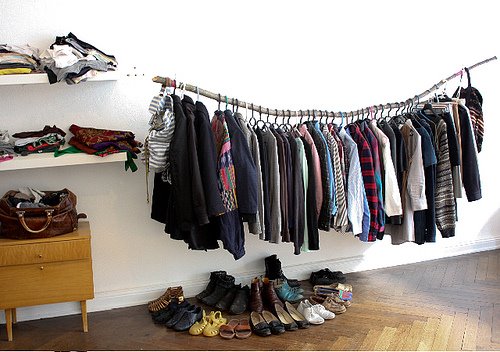
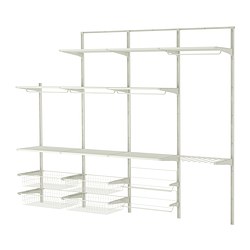
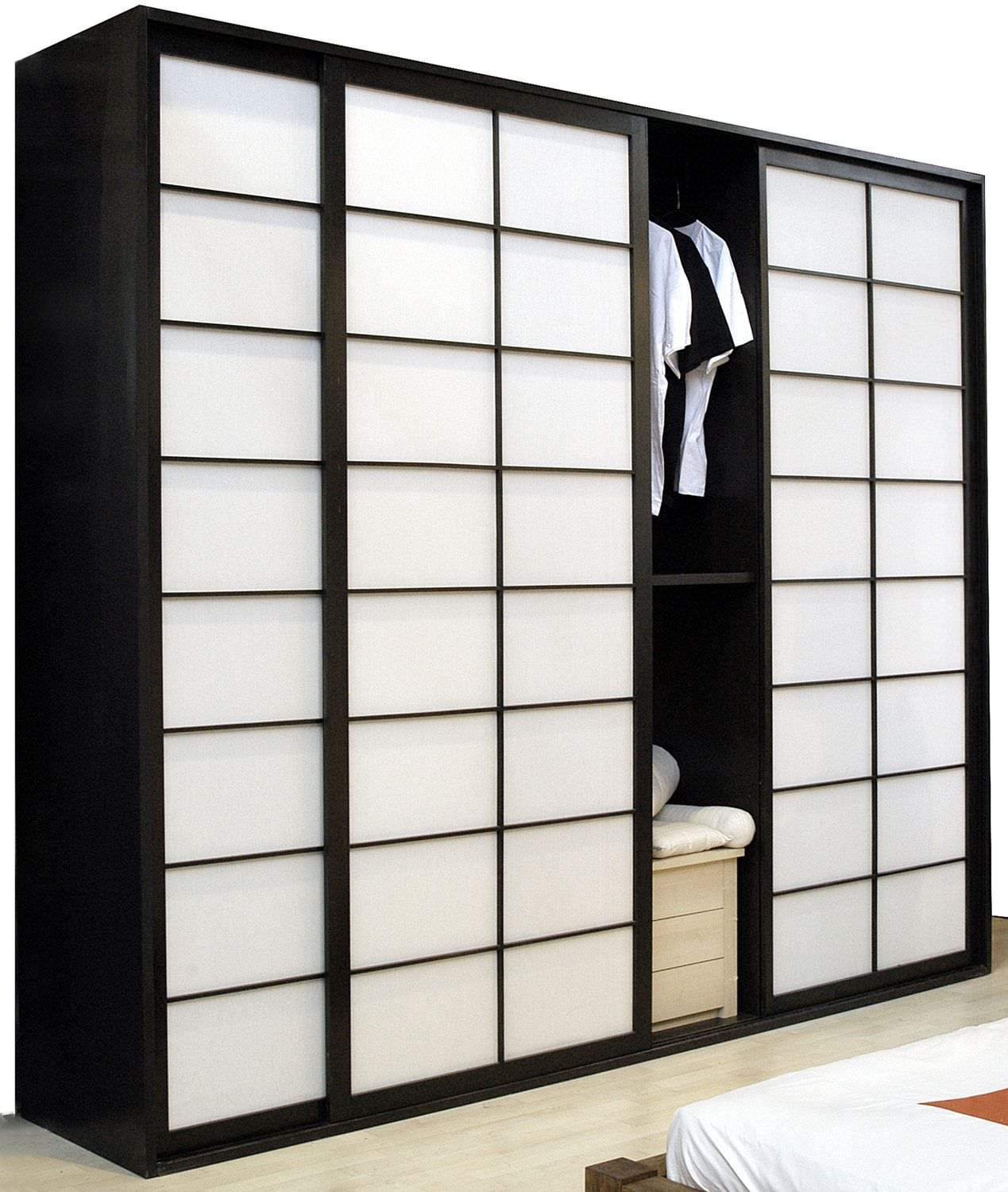
Many new apartments for Millennials have limited closet space. PMI has decided to provide some easy solutions to the lack of closet space. These solutions include wardrobes, clothing racks, wall organizers, curtains with racks, under bed storage, and building cabinets with sliding doors.  None of these solutions should  require a building permits

Wardrobes

Wardrobe Classic
Wardrobe

Ikea Wardrobe

Ikea wardrobe priced under $200

Clothing Racks
clothing rankcurtains

Hanging Branch

Wall Organizers

Wall Organizer
pipes

Ikea organizer

Metal rack for organizing clothing

Curtains with Racks
curtain rodsMakeshift Closet with Curtins

Cabinets with Sliding Doors

Sliding Doors

Sliding Doors2Under The Bed Storage:

under the bed storage

PMI Properties and Bisnow to Host Summit on the Future of Culver City, LA’s Next Big Submarket

future of Culver City

PMI Properties and Bisnow is hosting on Tuesday, October 14, 2014 a summit on the Future of Culver City:  LA’s Next Big Submarket.  The event shall take place at PMI Property’s Eastham Station at 3525 Eastham at 5pm.

Many are saying that Culver City could be LA’s next big neighborhood—connecting the Westside to the Eastside, capitalizing on its central location and historic character.  The summit will dive into topics such as new developments under way and on the horizon, challenges and opportunities in the market, and what the City is doing to promote growth!

Other issues include What’s pushing Culver City’s growth? Is it its good stock of larger creative former industrial buildings and better housing options for employees?  How will the Expo Transit affect Culver City and how will the City capitalize on it?  What would the impact of City sponsored super fiber be on business? What is happening to bring amenities to the Hayden Tract and Jefferson corridor? What business are moving to and are attracted to Culver City? What is the new media cluster all about? How will Culver City compete against Playa Vista and Downtown L.A.? What new projects are being built?

Panelists include Michael Hackman, CEO of Hackman Capital, Thomas Wulf, Senior Vice President of Lowe Enterprise Real Estate Group, Andrew Weissman,  Councilman & former Mayor, Brad Gross, Executive Vice President of DTZ Brokers, Damon Juha, Partner with Freeman, Freeman, & Smiley, and Jeffrey Palmer, Partner with PMI Properties.

For more information and tickets, see below:

Future of Culver City – Event Information | Online Registration by Cvent.

PMI Completes Renovation on a new Creative Apartment Property in Echo Park

exteriorN

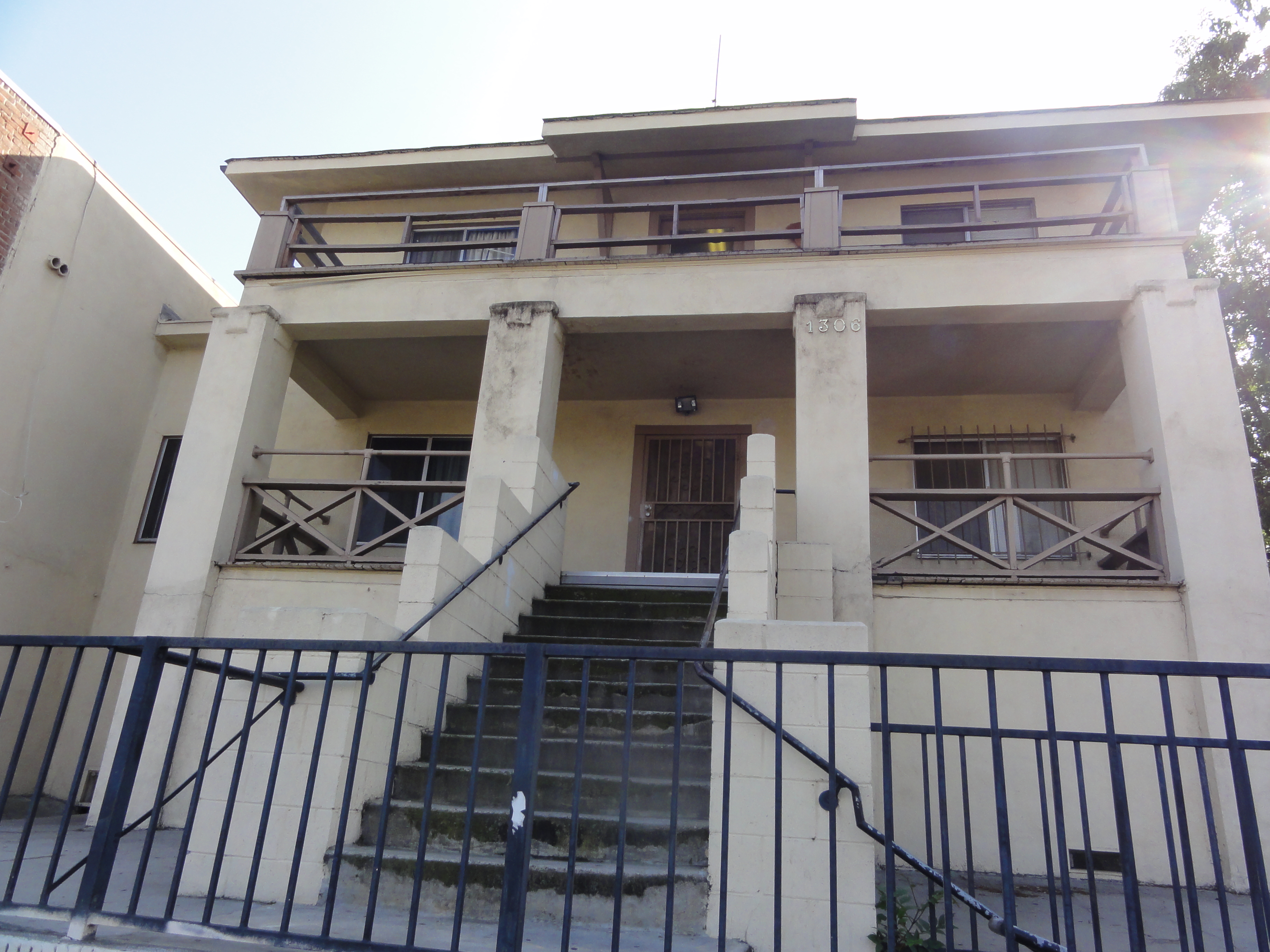
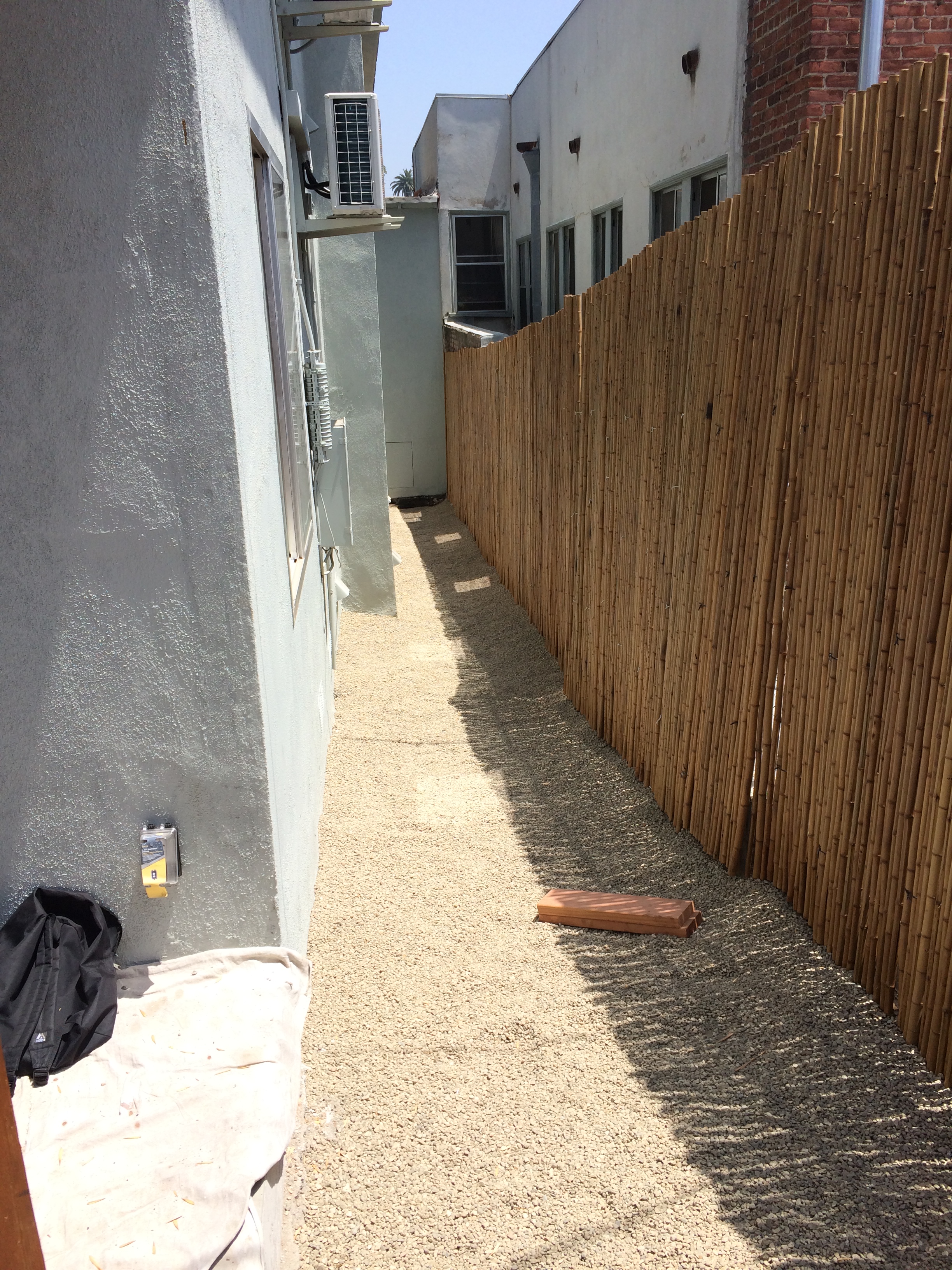
PMI renovated this 1911 Echo Park Craftsman apartment building at 1306 Temple Boulevard sandwiched between a grade school and a liquor store.  The  paint and rails detracted from the character of the building.  The absence of landscaping and accessibility from the street gave a  commercial image for this residential property.  PMI retained most of the historical features but used paint, landscape, and wood fencing to create a more residential pallet.   PMI used tall timber bamboo to soften the exterior and provide a transition from busy Temple Boulevard and the Hollywood Freeway.  The vertical redwood fencing (the hipster fence) gives a contemporary feel and provides the security required by new residents in a gentrifying neighborhood. See renovated exterior below.

New Exterior at 1306 Temple

New Exterior at 1306 Temple

Prior to the renovation, tenants accessed units through narrow corridors. See picture below.
DSC06932PMI resigned the property to eliminate the corridors and provide individual unit access from the property exterior.

The original developer in the 1920s divided the each unit into small rooms:  kitchen, dining, living, and bedroom  The decades old interior plaster and aluminum window dated the units. See below.

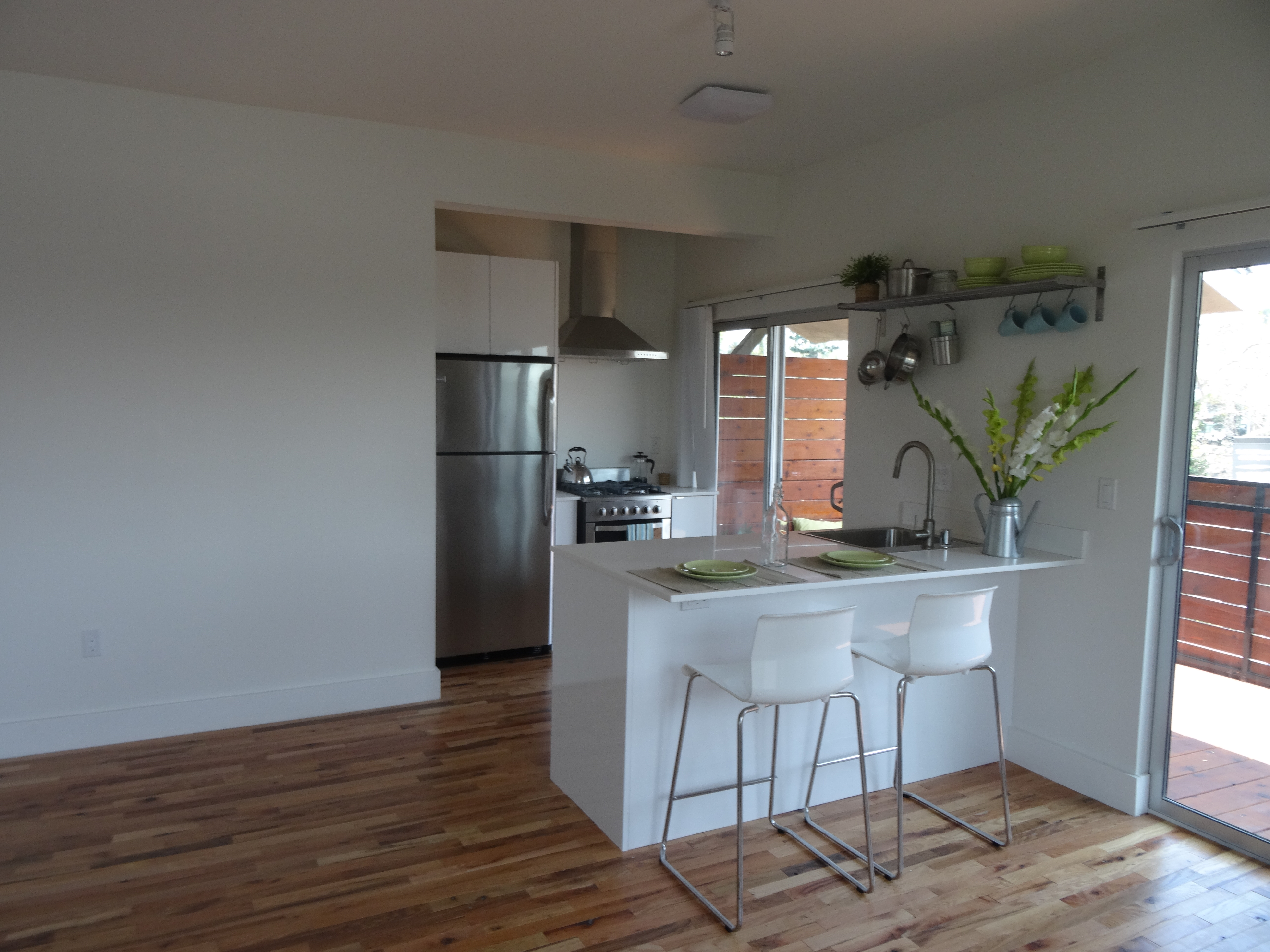
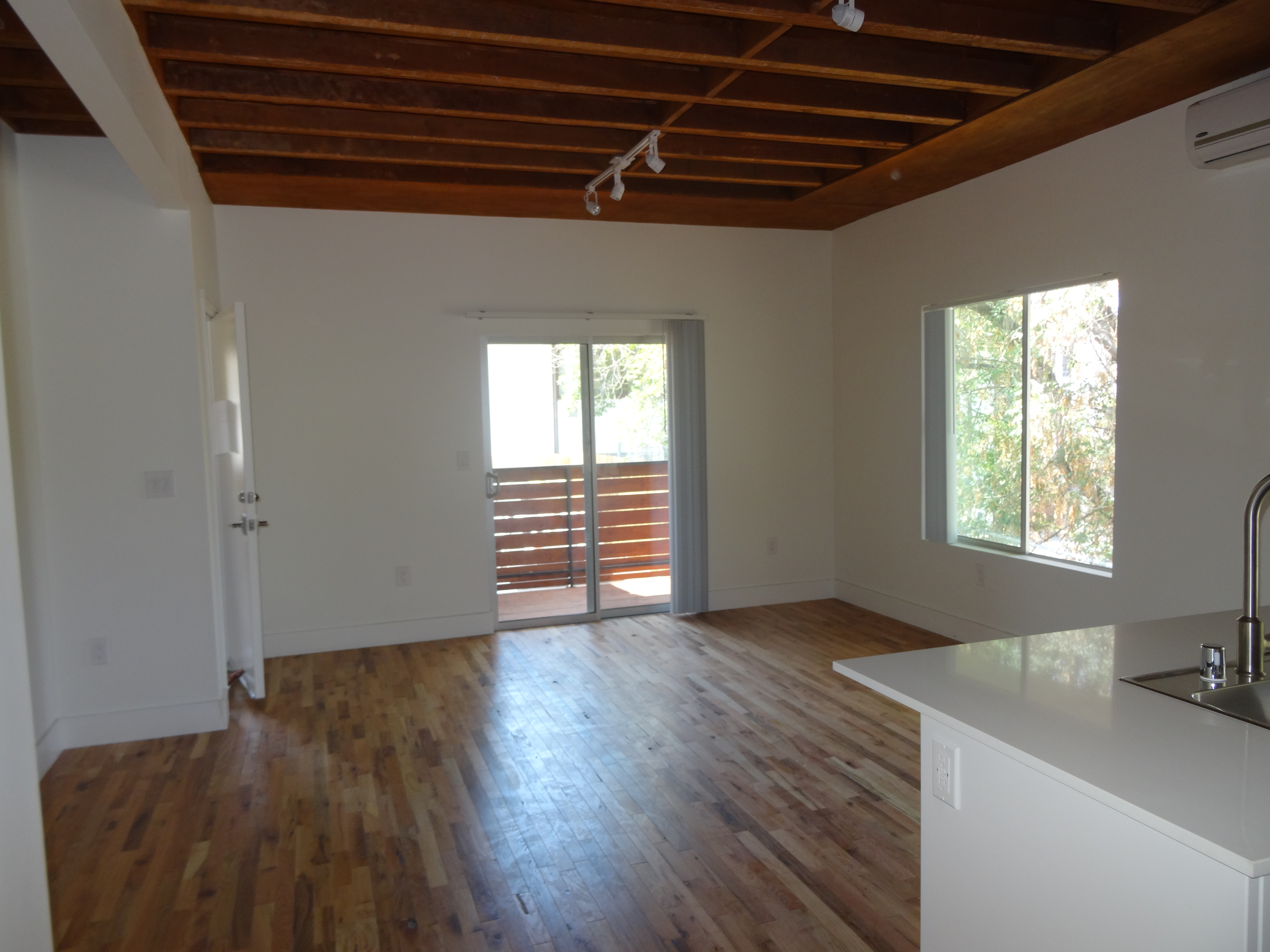
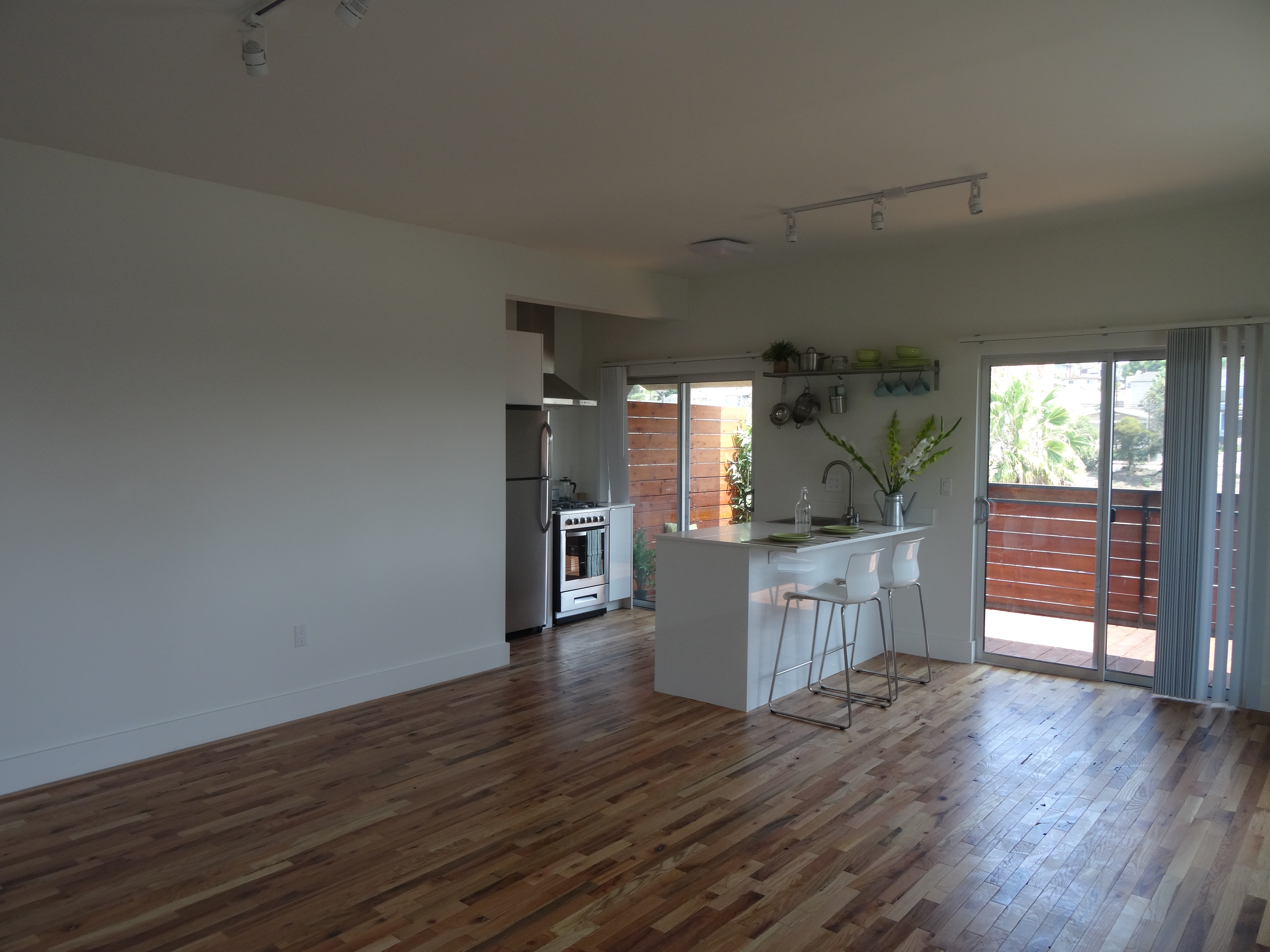
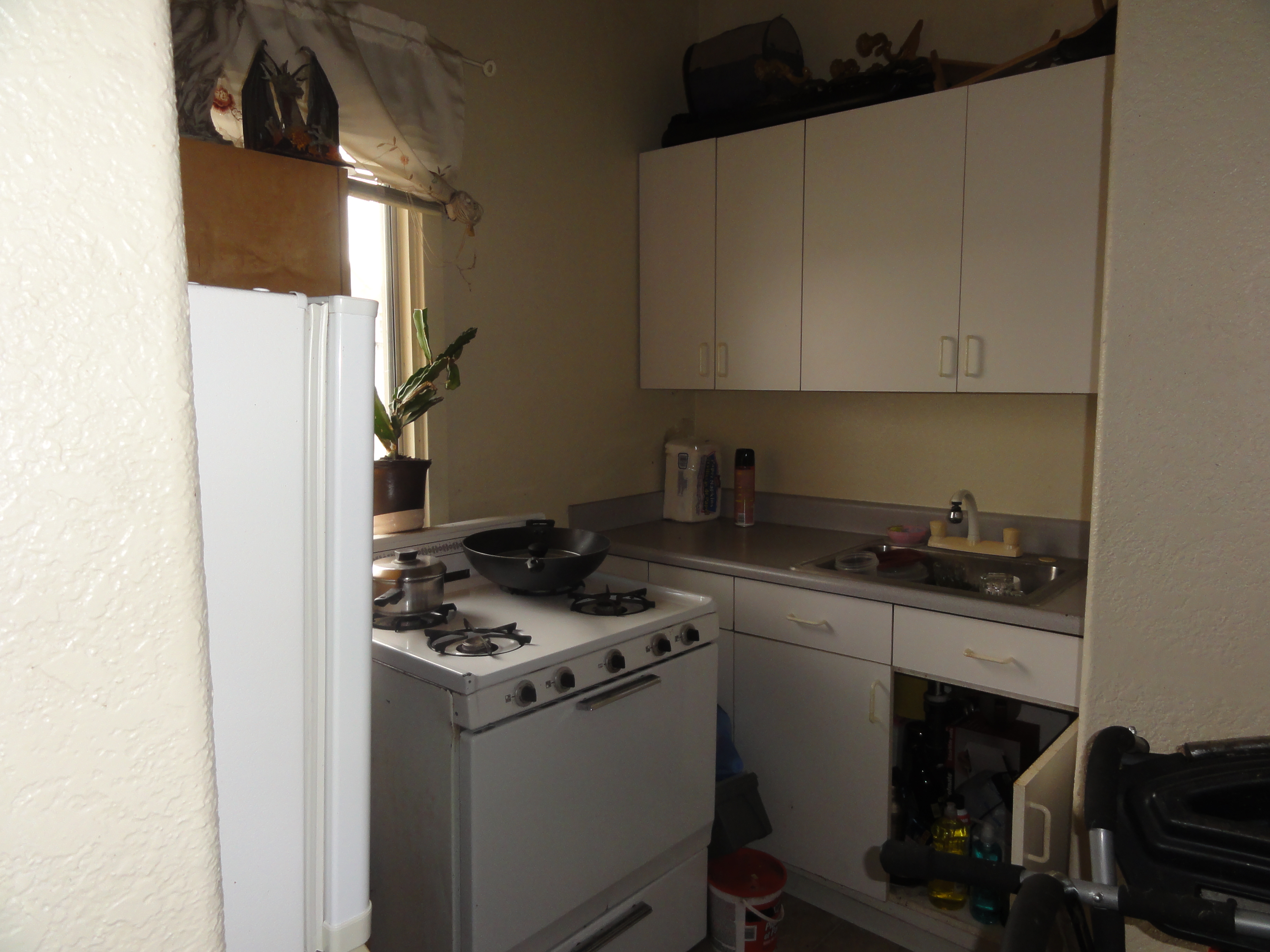
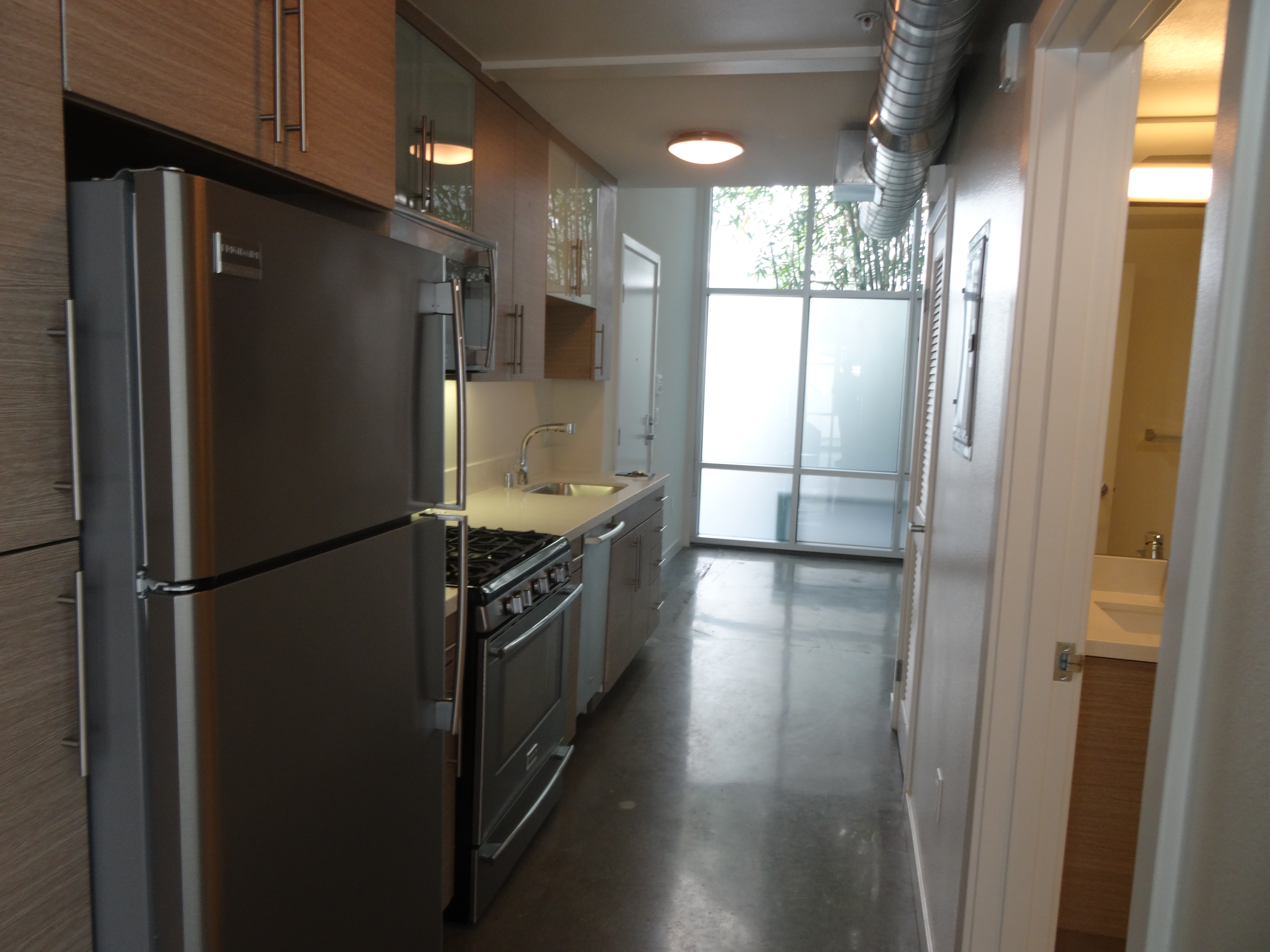
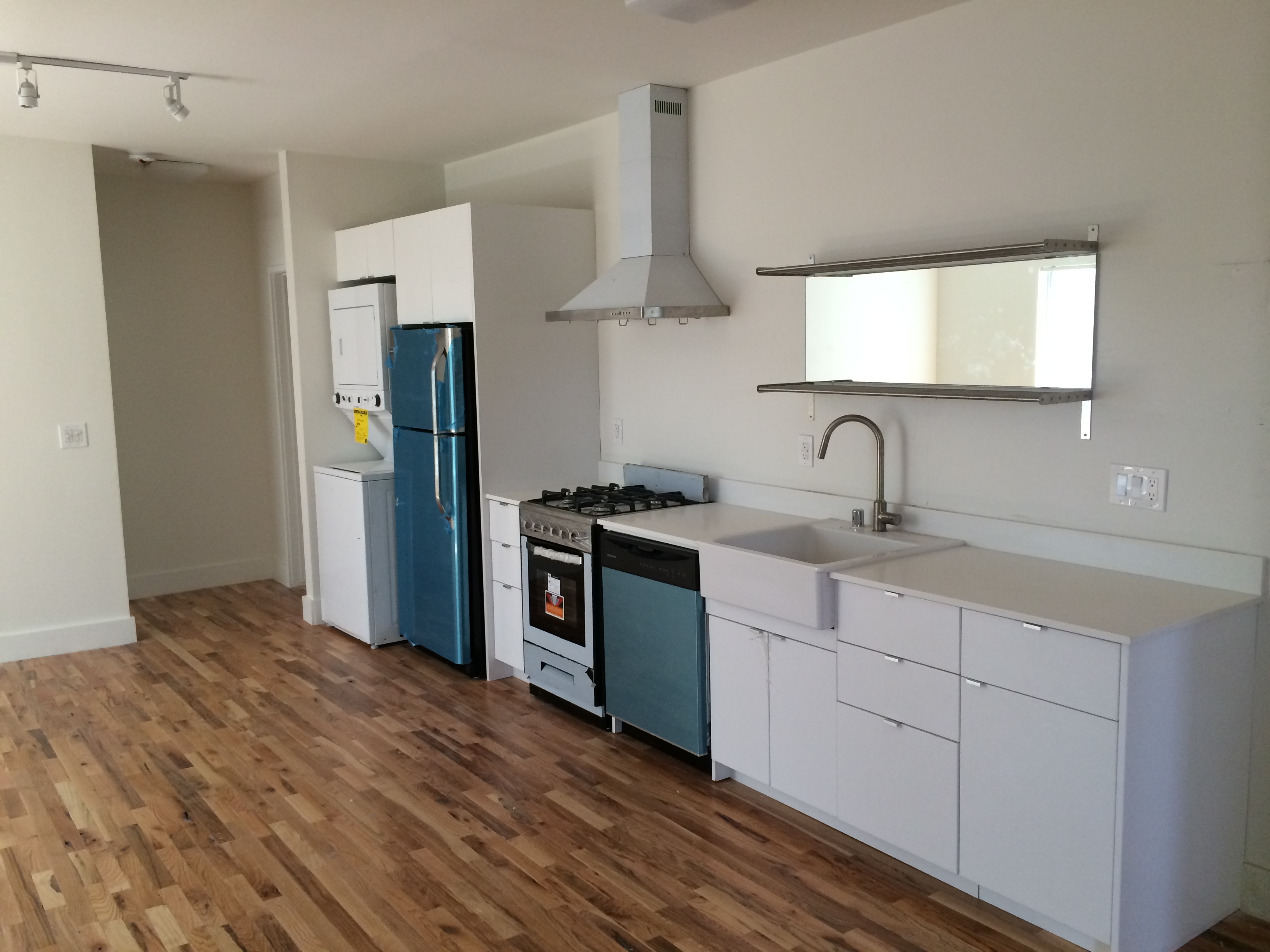
DSC07124DSC07127Without the corridor, the renovators expanded each one bedroom unit and combined the kitchen, dining, and living into one great room.  Each unit had new drywall, paint, solid hardwood floors, and double pane windows.  White paint and straight lines made each unit  look larger. New large redwood sided balconies extended each unit into the outdoors.  Contemporary fixtures and the open kitchens, especially in the unit with a doug fir exposed ceiling, gave the units a loft like look. See pictures below.2014-07-15 11.35.17 Interior NHallwayNQThe old nook kitchens had laminate counters, cheap wood cabinets, and white appliances.  See below.

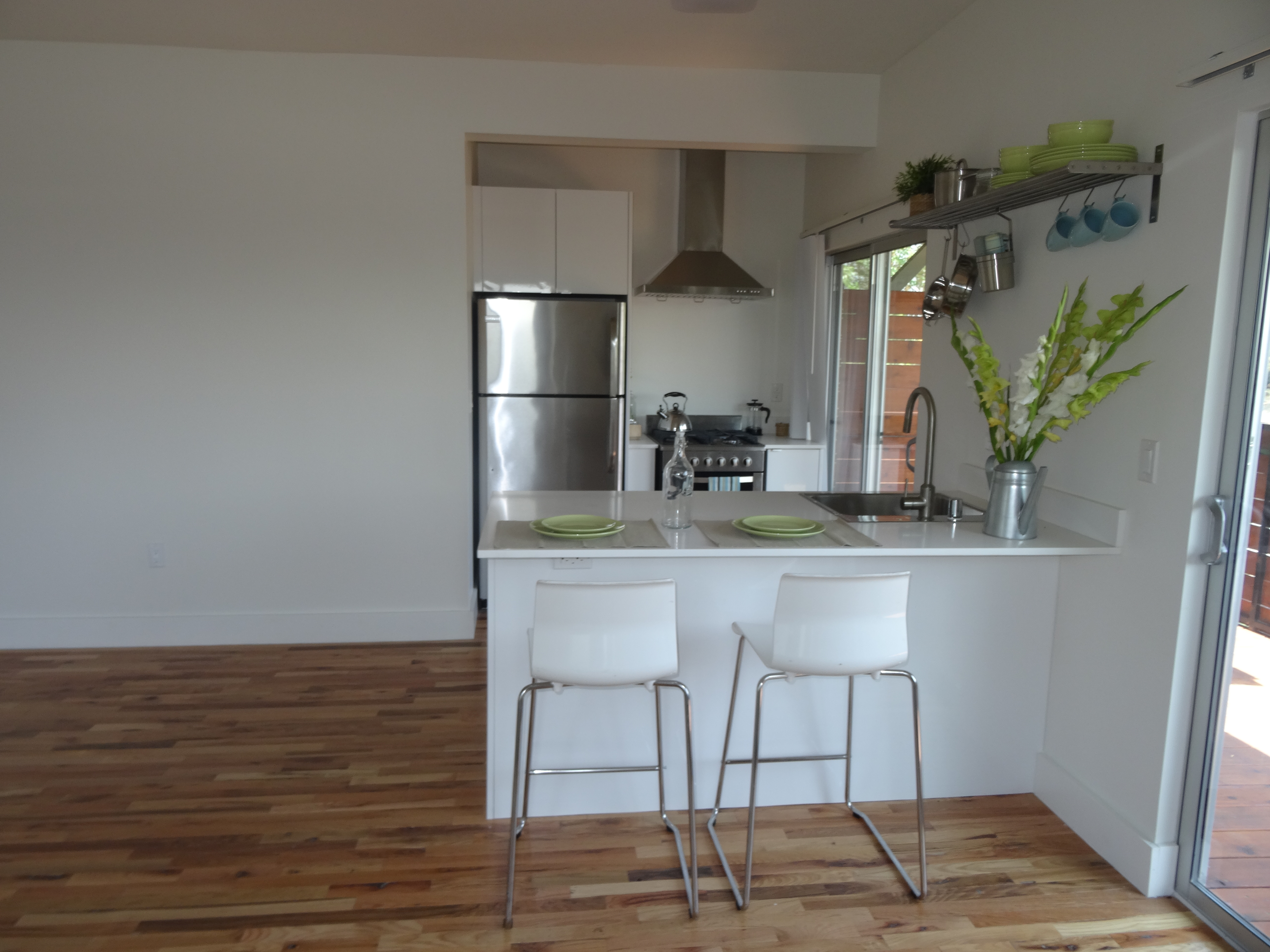
DSC07111The designer created a contemporary cafe kitchen look with stainless steel appliances, white quartz countertops, thermafoil cabinets, and eating bars. KitchenN NewIMG_5788The former bathrooms had a mix of old and new finishes.  See below.DSC07125The new bathrooms have contemporary vanities and new subway tiles to create a contemporary look with a hint of history. See below.BathroomN NewNew redwood  horizontal fencing and stairs (in the second picture below) replaced the old plaster balconies and wood stairs with vertical rails (in the picture below).
backside stairs Obackside stairs NThe entrance to the parking lot and units was not gated or secure. See belowFront rightside OThe renovators gated the parking lot and secured all access with six foot redwood fencing. See below

Front rightside N

With the historical building exterior maintained, the apartment property allowed millennials to live in loft like contemporary one bedrooms in a secure environment that still enjoyed the character of Echo Park and all its amenities and flavor.  It was another success by renovator PMI Properties as well as designer and project manager Adaptive Realty.

Millennial Kitchens are For Looking and Not Cooking

1920s Small Duplex Kitchen Hollywood

1920s Small Duplex Kitchen, Hollywood

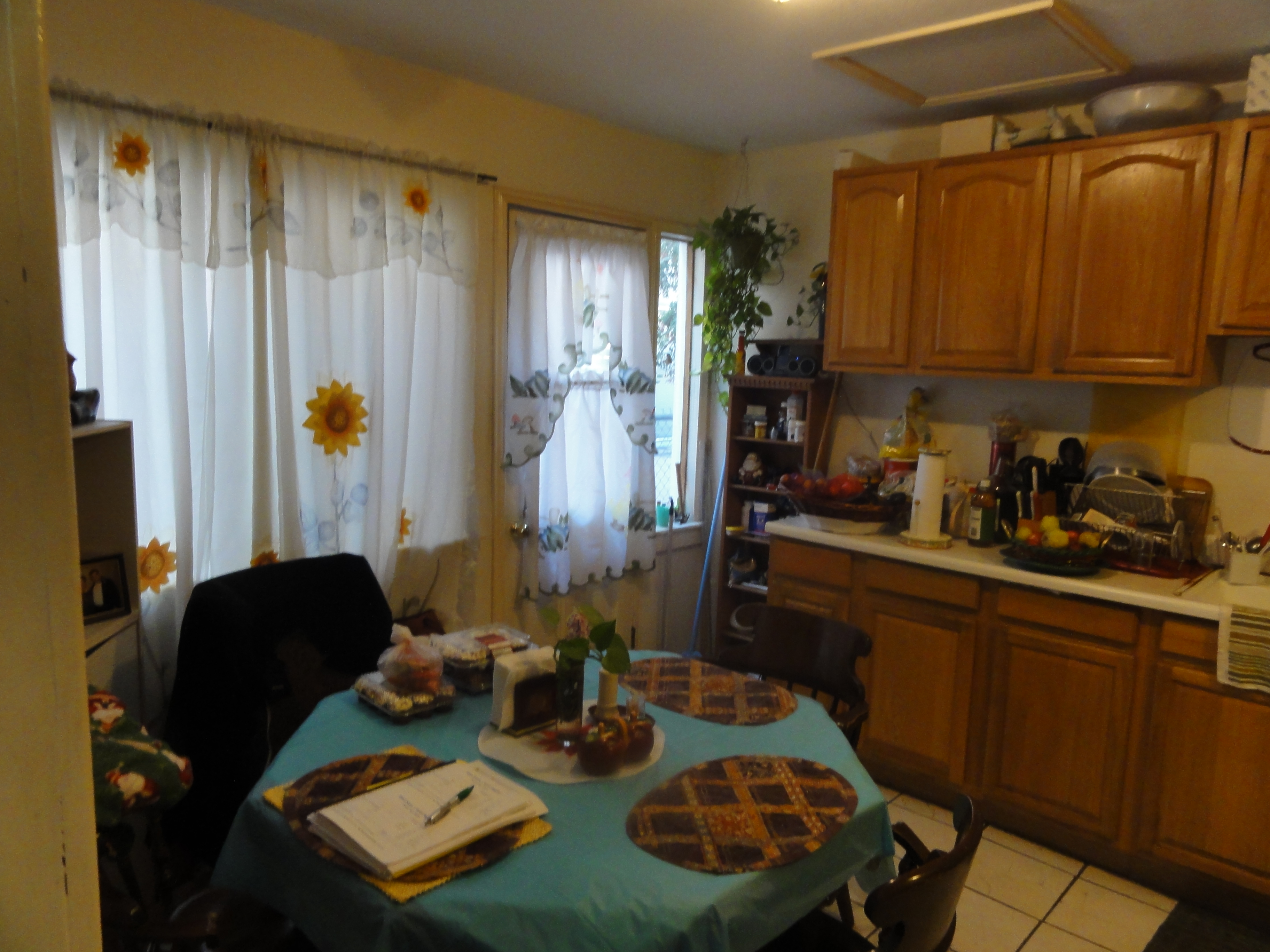
Kitchens, even in apartments, were an important room in the old days.  Prior to the 1950s, apartments had large kitchen with space for a breakfast table (see above picture).

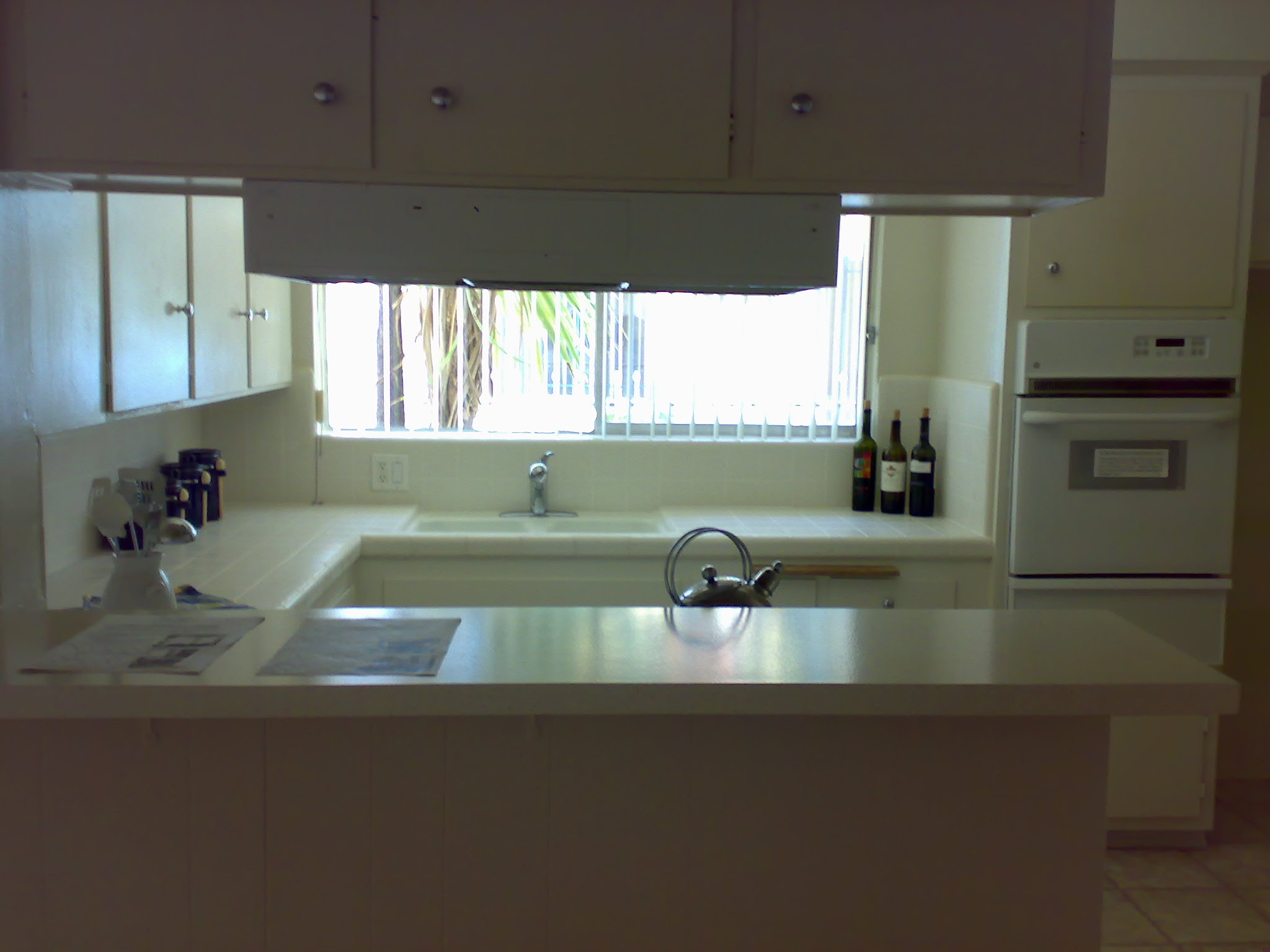
After 1940s and on, kitchen were relegated to galleys with maybe a pass thru eating bar.  But the kitchen was still large enough to prepare the Thanksgiving dinner (see pictures below).

1960 Galley Kitchen

1960 Galley Kitchen


1960s Apartment Kitchen With Pass Thru

1960s Apartment Kitchen With Pass Thru

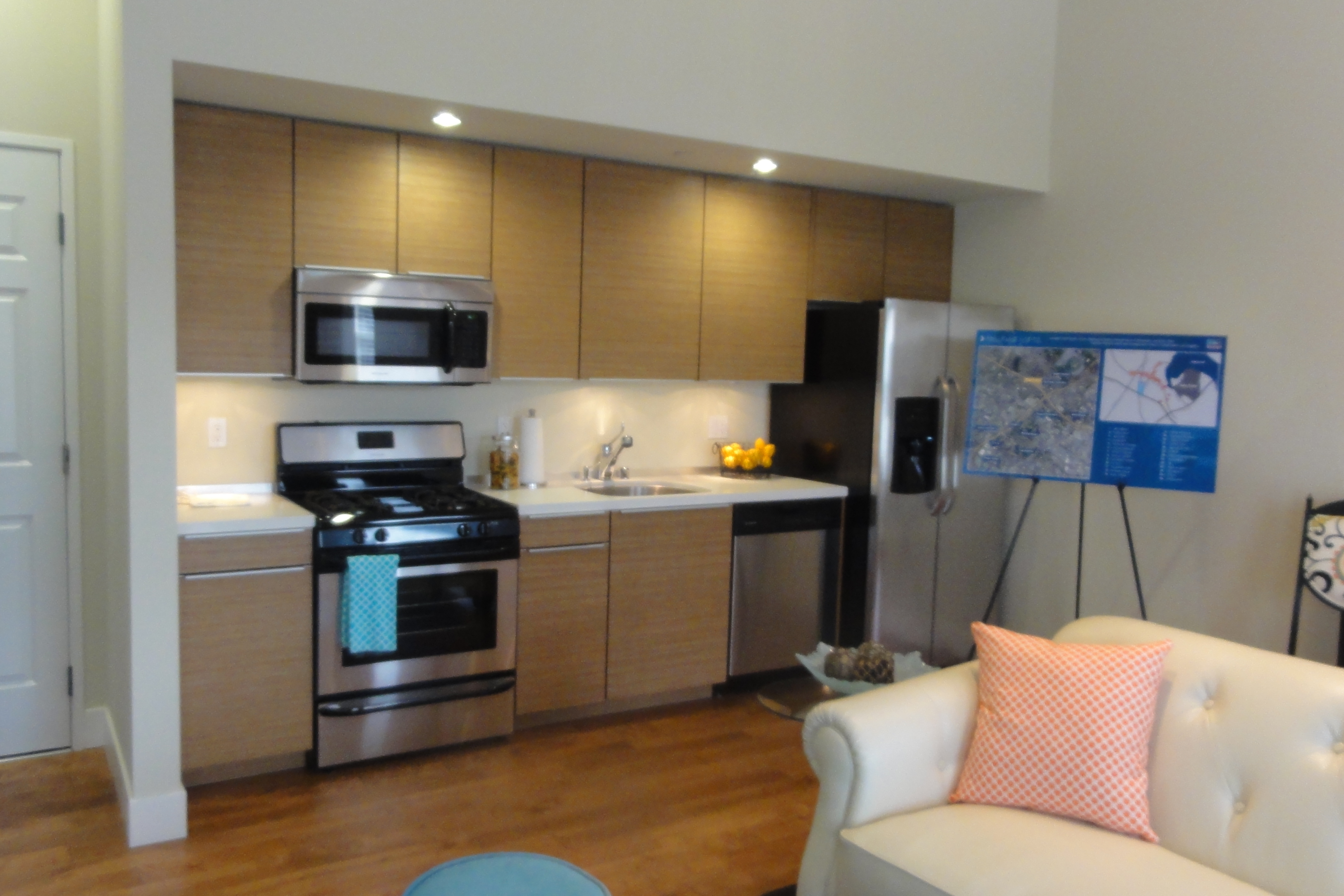
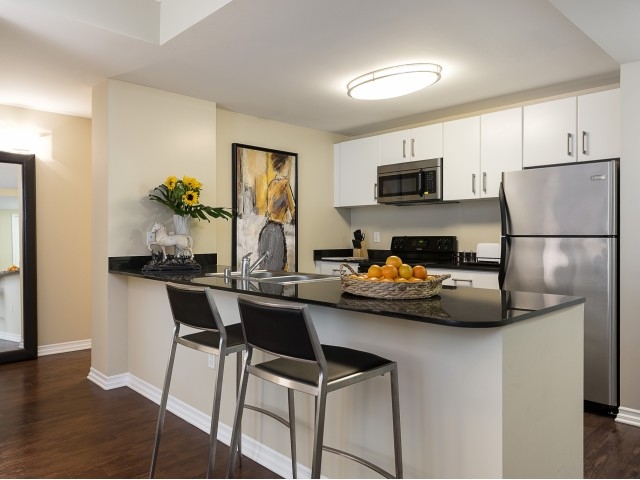
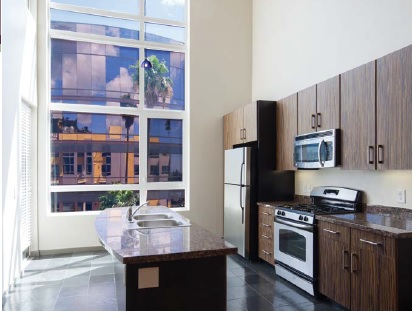
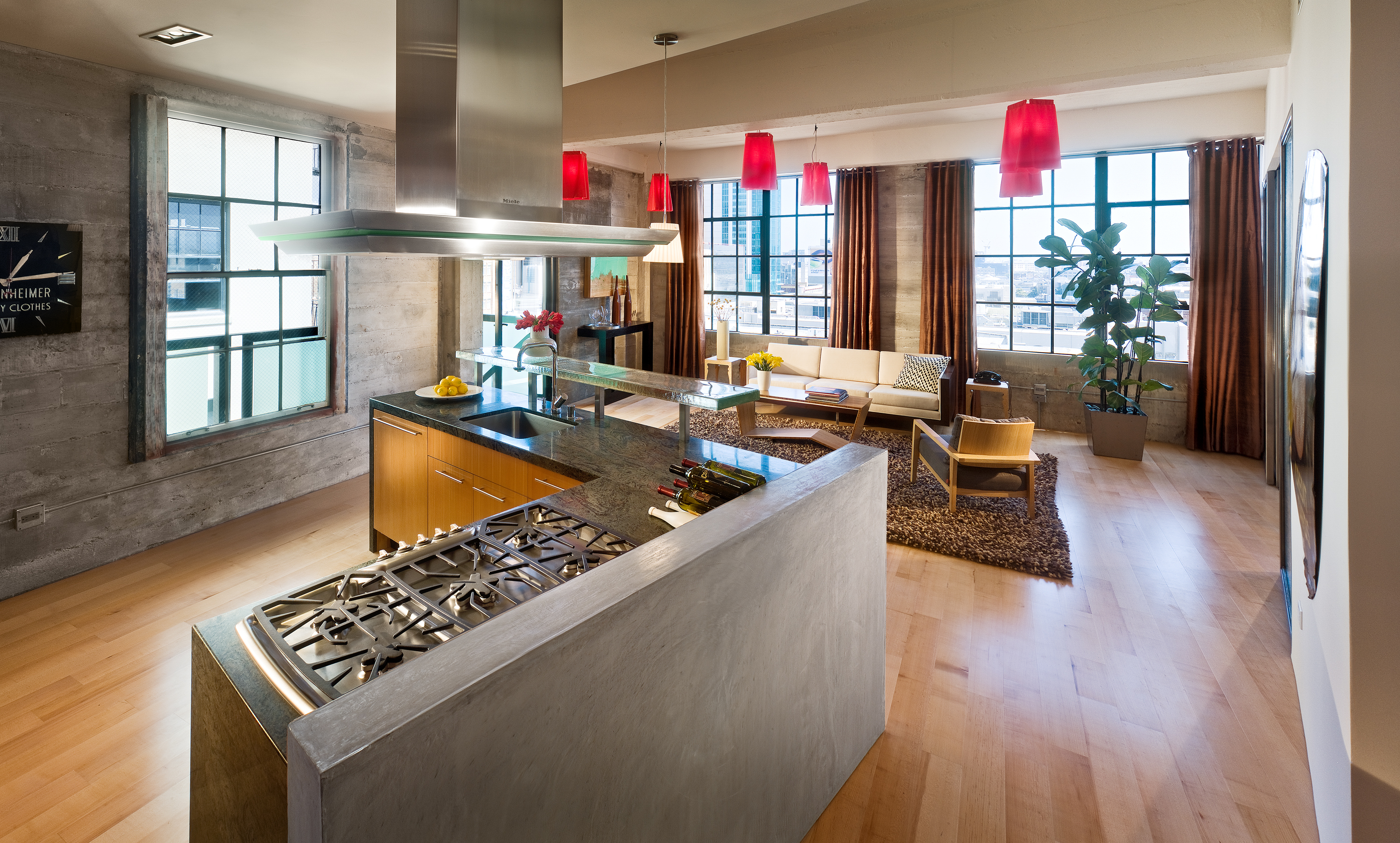
Now developers are again shrinking the apartment kitchen further. Kitchens are are no longer hidden in a separate room or a galley but front and center in the great room.  Many millennials no longer cook meals but bring home takeout, throw something into the microwave or toaster over, or eat out.  The kitchen’s have been reduced to grand coffee bars.  Kitchens must look better than before.  Kitchen are showpieces with contemporary cabinets, quartz countertops, and stainless steel appliances (see pictures below).


2013 Renovated Kitchen of the Above 1920 Duplex Kitchen

2013 PMI/Adaptive Kitchen in the  1920 renovated Hollywood Duplex above

2014 Renovated Apartment Kitchen

2014 PMI/Adaptive Renovated Apartment Kitchen, Echo Park

2013-04-03 19.14.37Kitchen In New Stella Apartments, Marina Del Rey

New Icis Apartments Glendale

New Icis Apartments Glendale

New Eleve Lofts Glendale

New Eleve Lofts Glendale

Bellevue Lofts Echo Park

Bellevue Lofts Echo Park

New Wilshire Vermont Apartments, Koreatown

New Wilshire Vermont Apartments, Koreatown

Kitchen in the hallway at Luxe on 4th Street, Santa Monica

Kitchen in the hallway at Luxe on 4th Street, Santa Monica


7950 Sunset, West Hollywood

7950 Sunset, West Hollywood

Station House  San Francisco

Station House
San Francisco

Avalon Apartments, San Francisco

Avalon Apartments, San Francisco

A New Credit Tool for Residential Landlords.

rent due

Now California residential landlords have a new tool to improve tenant credit and reduce evictions.  Experian and Transunion have started adding rent payment data to credit profiles.  Landlords can use this information to discern dead beats from tenants more likely to pay their rent and on time. This tool comes at a time when evictions are taking longer and have become more expensive. California State cutbacks have significantly increased the time it takes landlords to get an eviction proceeding.  Tenants now have the right to demand  jury trials that can spiral costs.

At one time, credit companies reported filed eviction actions against tenants. Landlords refused to rent to tenants who had such evictions filed against them.  This service was a very effective method to discern good from bad tenants.  Tenant advocacy groups convinced legislators that this method was unfair since landlords could unjustly file evictions.  So now, the credit companies can only file evictions that go to judgement.  Bad tenants beat the system by moving out just before the eviction court date and thereby avoid a judgement on their record. Today it could take three to five months to get a court date.  The next landlord would never know that the tenant was in eviction because without a judgement, a tenant’s credit score is not impacted.

With the new service,  Landlords may be able to discern such deadbeats from  rent payment histories.  Further, tenants will have a powerful incentive to pay their rent on time because if they don’t, their non payment or late payment will be reported on their credit and will impact their credit.

The catch for landlords is that  to use the service, landlords need to sign up with an online payment service like Rent Track and pay $1.95 per month per tenant.  Rent Track is an automatic online bank payment service.   Rent Track alerts you the moment tenants have paid. Funds deposit within 24-72 hours. However, the tenant needs to opt in to rent payment reporting

However, if the landlord turns uncollected rent over to collection agencies, the collection agencies can report the uncollected rent to the credit companies. Once the collection appears on a credit history, it will stay there for seven years and drop a credit score.

Unfortunately, such collection information is not routinely reported.  The online payment services may change this practice.  You may read  more in the Los Angeles Times article below .


Experian, TransUnion start adding rent payment data to credit profiles – LA Times.