Unknown's avatar

About PMI Properties

PMI is a thirty year old property investment company located in Beverly Hills/Bel Air that invests in commercial and residential real estate. Since its founding in 1978, PMI Properties has closed over $500 million in office, shopping center, industry and apartment properties throughout Los Angeles and San Francisco. PMI's most recent endeavors have focused on pioneering creative office suites in office buildings and converted warehouses.These properties have been primarily located in Los Angeles and recently in San Francisco. PMI had its roots in investing in apartments, but more recent investments have focused towards offices, creative offices and converted warehouses. PMI was the first to pioneer a new, creative suite in office buildings with its proprietary "lifestyle suites," which featured skylights, partial hardwood floors, designer lighting, raised ceilings, interior glass, and other upgrade features. PMI pre-built the suites in an efficient and generic floor plan that not only achieved a premium, but also rented faster than suites requiring build-to-suit modifications. PMI was also one of the first to convert warehouse industrial facilities into flex creative space prior to the Internet boom. Today, PMI's suites are some of the most coveted creative offices on the market. Subscribe to get our newsletter and blogs for free! http://eepurl.com/hG0V2

Indie Rock Scene Helps Fuel Northeast Los Angeles Gentrification

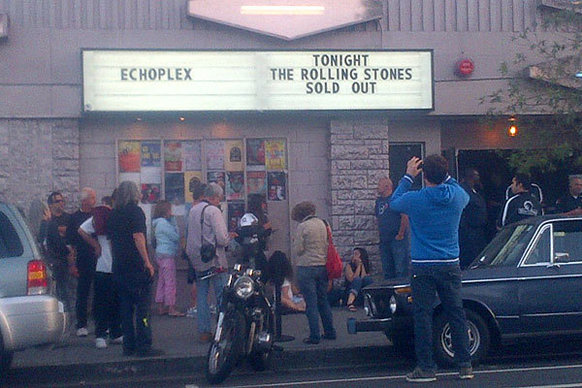
la-rolling-stones-at-echoplex-20130427

Pundits have identified several precursors of gentrification.  One precursor is artists moving to a new neighborhood:  Soho, Venice, Chelsea.  In Northeast Los Angeles (Echo Park, Silver Lake, Highland  Park, and Eagle Rock), the rising indie music industry has helped fuel Northeast Los Angeles gentrification.  According to a Los Angeles Times article (Sunday, August 17, 2014, E5), the area in Northeast Los Angles is home to many of he city’s most successful independent labels. Combined, the area has become its own little epicenter, and one of  its strengths fuzzy, strange rock as delivered by indie  artists and bands.  According to the LA Times, a notable number have recently relocated from San Francisco.  “Everyone we know, pretty much,from San Francisco moved down here, said prolific rocker Ty Segall.  “People are moving down here because there’s a lot of stuff going on and its cheaper–a lot cheaper,” explained Segal of the migration.

Seven out of LA Weekly’s ten top rock clubs are located in Hollywood, Silver Lake, Echo Park, and Downtown. The remaining three are in West Hollywood. Even Sunset Strip’s rock clubs have noted a loss of business to Silver Lake’s emerging indie rock clubs. Young creatives now go east for a unique variety of night life not currently found elsewhere in Los Angeles.

Echo Park Rising is a indie music event in it’s 4th year that focuses on the music, creativity, diversity and small businesses of Echo Park http://epr.la/. There were multiple stages and activities throughout the weekend of August 15, 2014, located on the main routes of Sunset Blvd, Glendale Blvd, Alvarado Avenue and Echo Park Avenue and beyond  . Here are some pictures from the event.

At the Cafe Bookstore

At the Cafe Bookstore

Cafe at the Bookstoe
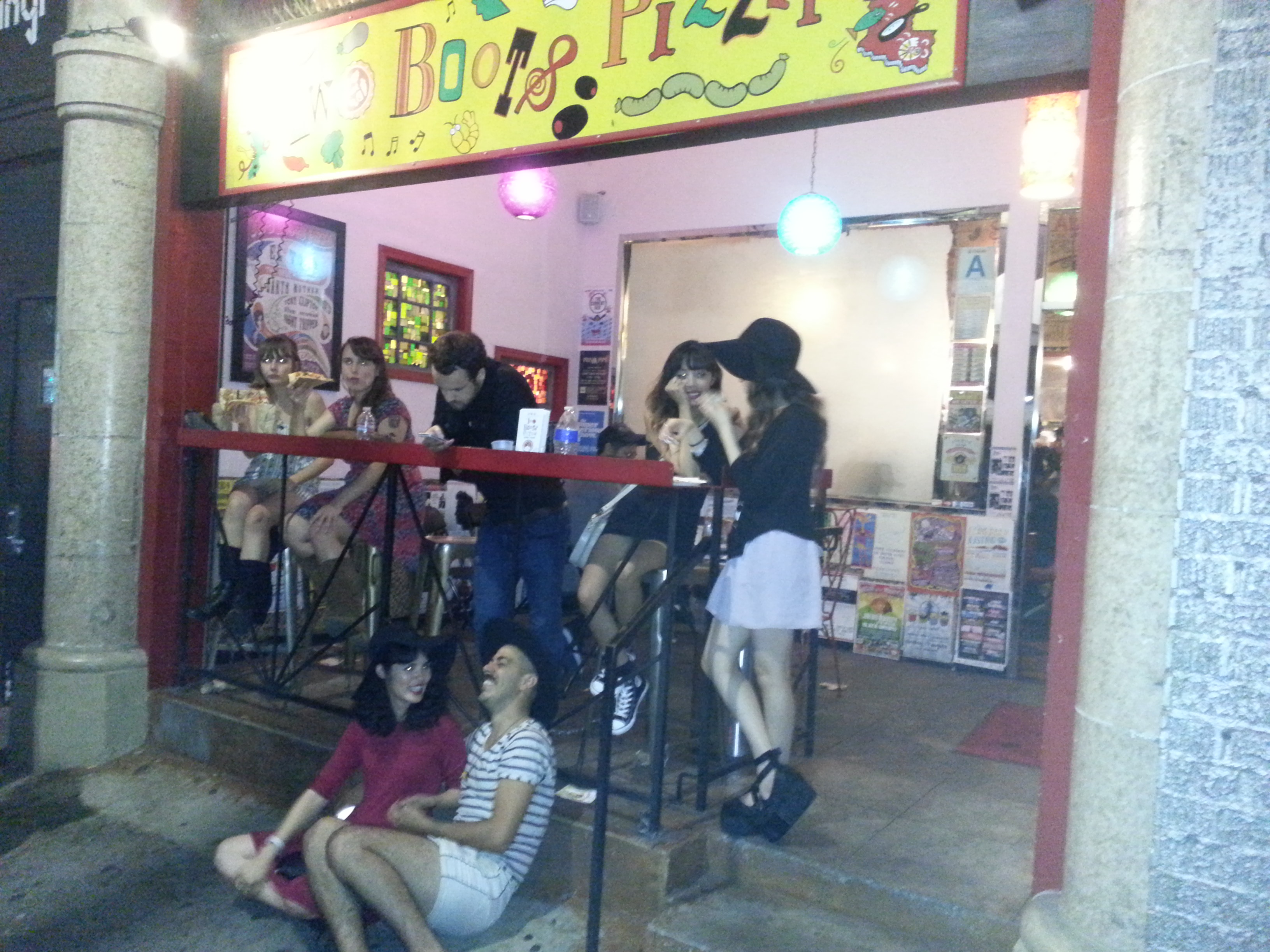
Cafe at the Bookstoe

Hanging Out

Hanging Out

Crowds in Front of a Club

Crowds in Front of a Club

Crowds Waiting to Get Into a Venue
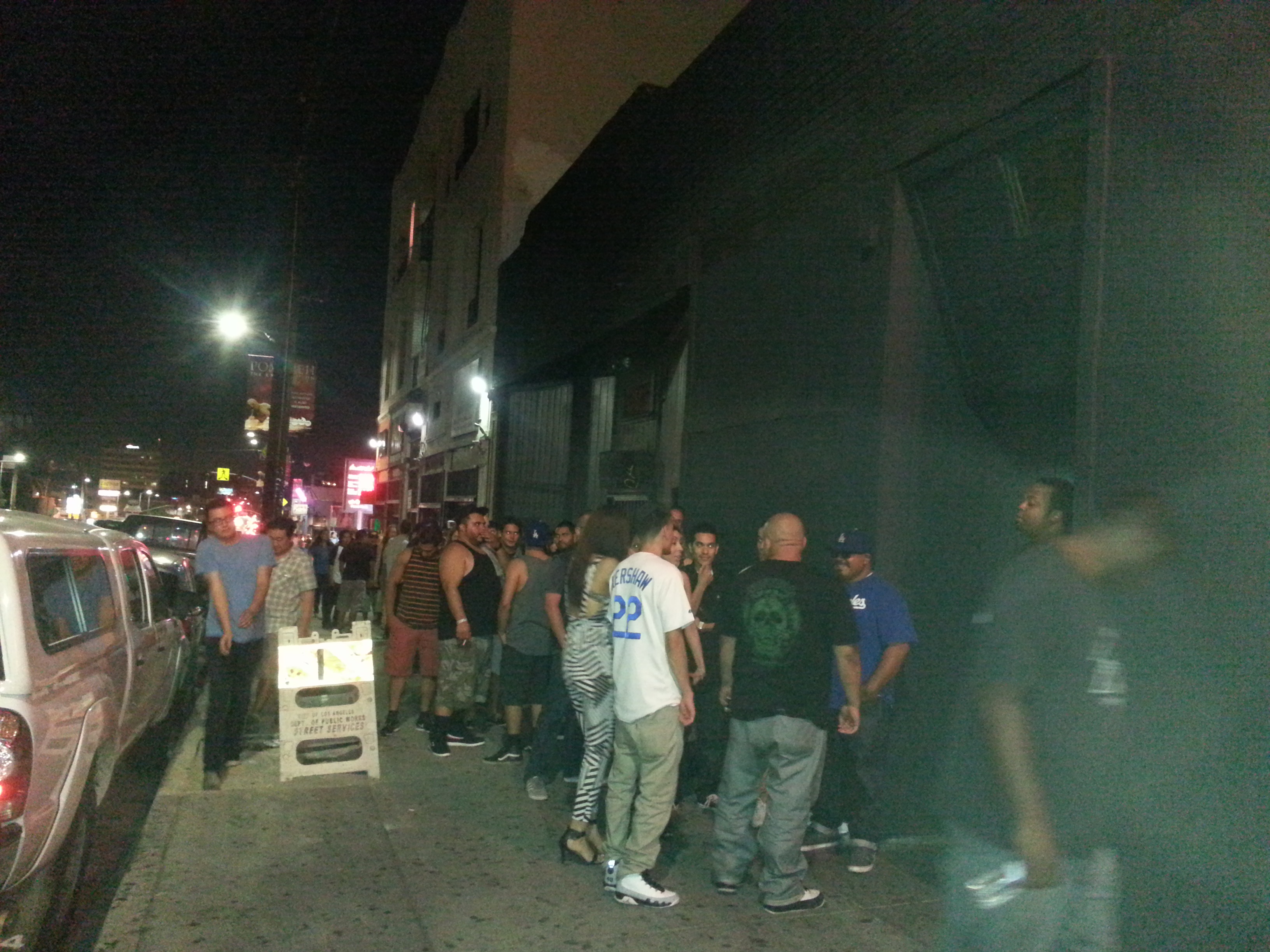
Crowds Waiting to Get Into a Venue

A line in front of another Indie Rock Club

A line in front of another Indie Rock Club

PMI Appoints A New Asset Manager

I am pleased to announcement our new asset manager, Gabrielle Hakimian.

Gabrielle Hakimian will responsible for all asset management functions across PMI’s commercial and creative multifamily portfolio in Southern California and San Francisco. She has seven years of diverse domestic and international commercial real estate experience, across office, industrial, and mixed-use assets. Prior to joining PMI, she managed real estate transactions for The Walt Disney Company, by providing and executing strategic solutions on leased assets throughout the United States. Also, while working with Jamison Services, she directed all daily operations, with responsibilities for over 1-million square feet of office, retail, and parking in Downtown, Los Angeles.

Gabrielle holds a Masters in Real Estate Development from New York University and Bachelor of Arts degree in Communications from University of Southern California.

What is Creative Office?

3525 Eastham, Culver City

3525 Eastham, Culver City

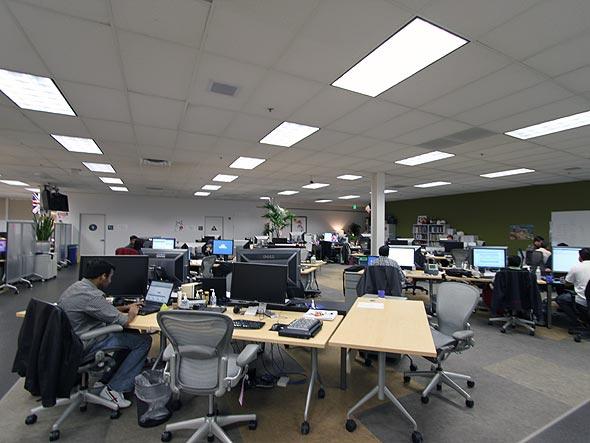
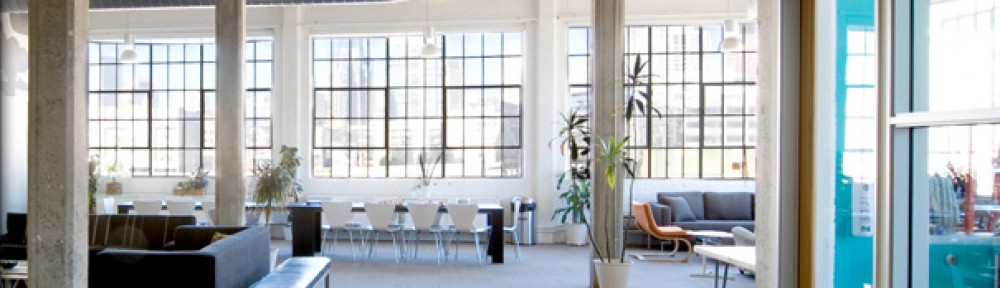
Creative office is defined broadly as non-traditional office. A “traditional office” has eight to nine foot acoustical dropped ceilings with two-by-four foot parabolic or prismatic fluorescent lighting, drywall walls, and carpeted floor with three per thousand square foot of enclosed offices.  Creative offices usually have higher ceilings that are open to the structural lids; with pendant lighting; floors with wood or polished concrete; and maybe some walls with brick, block, or concrete.  Broader definitions incorporate collaborative space plans and lifestyles associated with Millennials.

PMI’s Eastham space, a converted warehouse in Culver City, exhibits the fundamental most look for in a creative office: a high bow truss ceiling, pendant lights, polished concrete floors, and cement walls on the inside of the exterior perimeter walls.

It is difficult to accomplish a creative look with low acoustical ceilings and two-by-four fluorescent lights.  Larger tech companies are more inclined to try. One tech company used numerous flags hanging from acoustical ceilings to make their space look creative.  Others have tried to accomplish the same goal by painting their walls with bright colors.

The Google space below displays high ceilings, funky furniture, bright colors, recessed lighting, and concrete floors but  keeps the acoustical tiles:

Google-Office-New-York 1

In the picture below,Google attempt  to accomplish a creative feels with higher ceilings and the placement of the desks.

facebook officesGoogle attempts a creative feel with high ceilings and a wall mural but keeps the acoustical tiles.

google new york cafeteria

LA Times Times reports Mayor sets out to transform targeted L.A. Streets into Walkable Streets.

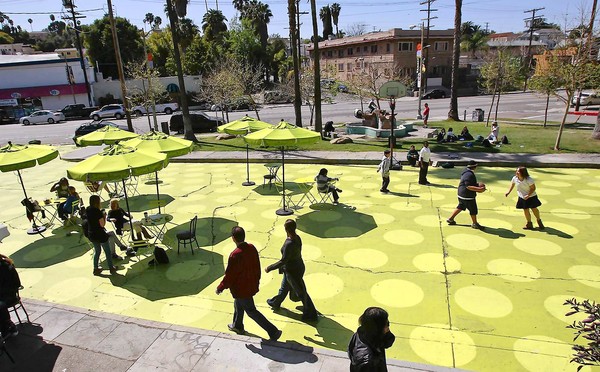
Sunset Triangle Plaza in Silver Lake is a new neighborhood plaza

Sunset Triangle Plaza in Silver Lake is a new neighborhood plaza

This LA Times Story (July 27, 2014, front page)  reports that Mayor Eric Garcetti hopes to transform 14 major thoroughfares into hubs of neighborhood activity.  In a process the mayor describes as “urban acupuncture,” the city plans to add bike racks, plazas, crosswalk upgrades and other amenities aimed at drawing in pedestrians and attracting new businesses.

Why is this important?  Today,  more people desire to live walking distance to amenities, especially restaurants, bars, and shops.   Previously, Angelenos demanded infinite amenities within an easy commute,not walkability.  Now the trend is also for walkable amenities.  This trend toward neighborhood workability has led to the recent increased popularity of Venice, Downtown Santa Monica, Downtown Los Angeles, and Silverlake. In Highland Park, once sleepy York Boulevard has become a magnet for an array of middle- and upper-middle class needs: coffee, comic books, vegan ice cream, and $5 donuts. Abbot Kinney Boulevard in Venice, once favored mainly by locals, is now a regional tourist destination with prices to rival Rodeo Drive. Walkable streets are now a major amenity attracting renters and home buyers.

So what comes first, retail amenities or residential.  It is hard to say.  Maybe it is a little of both.  In Los Angeles, major employment centers must be within easy commute to a potential area in gentrification.  Prices and rents very close to these employment centers are very high. So people seek more affordable areas.  Someone takes a chance and opens a restaurant that takes off and attracts the gentrified demographic.  A house renovator takes note and tries a renovation that succeeds. Other renovators take note and follow.  Other retailers take note and follow.  And so goes the chain reaction that plays out over years and even decades.

Now, Garcetti said he is trying to create conditions favorable to a transformation by targeting locations that already have sparks of new economic activity (retailers or housing renovation). He’s quick to point to success stories in the council district he represented before becoming mayor.

In Silver Lake, he closed one block adjacent to the Sunset Boulevard business district to car traffic, replacing it with a pedestrian plaza painted with green polka dots (Silverlake Triangle Plaza). In Atwater Village, Garcetti worked to make Glendale Boulevard — a major route to the 5 Freeway — more welcoming to pedestrians. City crews upgraded crosswalks, extending curbs farther into the street, and added new trees, signs and trash cans.

Now, on the Westside, Garcetti picked four blocks of Westwood Boulevard anchored by the Geffen Playhouse on one end and by UCLA’s Hammer Museum on the other. In Mar Vista, Garcetti picked Venice Boulevard between Beethoven and Inglewood Boulevard.   On Figueroa Street in Highland Park, another corridor (between Avenue 50 and Avenue 60) selected by Garcetti, check-cashing businesses and pupuserias have been joined by workout places, a record shop, a vintage clothing store and Kitchen Mouse, a storefront restaurant that promises vegan and gluten-free dining options. Customer Elizabeth Brizzi said the area is starting to have the “Silver Lake feel” — a reference to the hip neighborhood once represented by Garcetti.

You can read the full article below.


Mayor sets out to transform L.A. streets through ‘urban acupuncture’ – LA Times.

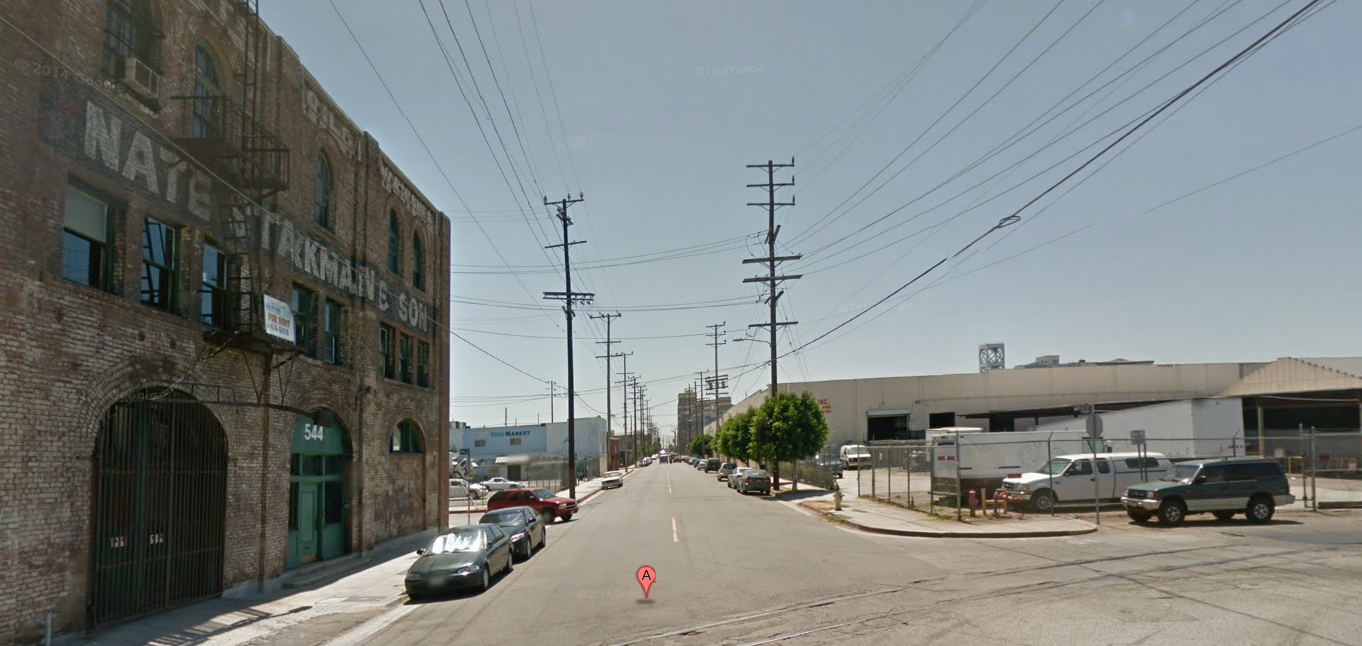
Downtown Art District Retail Starting to Pick Up Steam

Mateo and Palmetto

Mateo and Palmetto

The Downtown Art District retail will start to pick up steam. Currently, the Art District has 3 hot restaurants (Bestia, Factory Kitchen, and Church and State) ;an Urth Cafe; and four coffee houses (Slumptown, Handsome, Verve, Novel, and Daily Dose). Now two projects will add 165,000 square feet of new retail.

A corner property where Mateo and Palmetto streets meet, now occupied by five warehouses, is about to be transformed into a huge, $30-million shopping center (with parking!), says the Downtown News. The 125,000-square-foot “urban retail center” will be an open-air mall “anchored by a major retailer” (as yet unnamed) and have a grocery store, according to a release from ASB Real Estate Investments, which is partnering with Century City-based Blatteis & Schnur on the development. No renderings have been released yet, but developers have said that they’re hoping to keep the center in line with the AD’s “unique place in Los Angeles” and that they’ve planned ” [a] brilliant design … allowing us to attract unique, compelling and artisan retailers and food purveyors.”

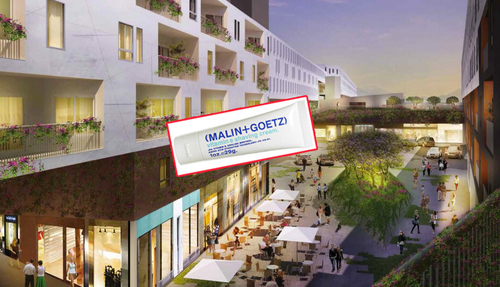
The Yards

The Yards

The second project involves the 45,000 square foot portion of the 435 apartment unit One Santa Fee under construction.  The developer announced it as a collection of 25 unique designers, specialty boutiques, and renowned chefs curated around private landscaped walkways to be called the Yards. ,

Finally, the retail is filling in the Art District to provide an exciting experience for those who work and live in the area.

Honey I Shrunk The Dining Room

More and more new apartments are eliminating the dining room..  Many Millennials eat out, at their desk, on a coffee table (and in front of a video screen) , or at a eating bar and (in front of a video screen).  Jerome Synder’s new two luxury highrise apartment towers, the Vermont, at Wilshire and Vermont,do not offer residents a dining room.

Notice that in the one bedroom floor plan below, there is no dining room:

No Dining Room in the Wilshire Vermont One Bedroom.

No Dining Room in the Wilshire Vermont One Bedroom.

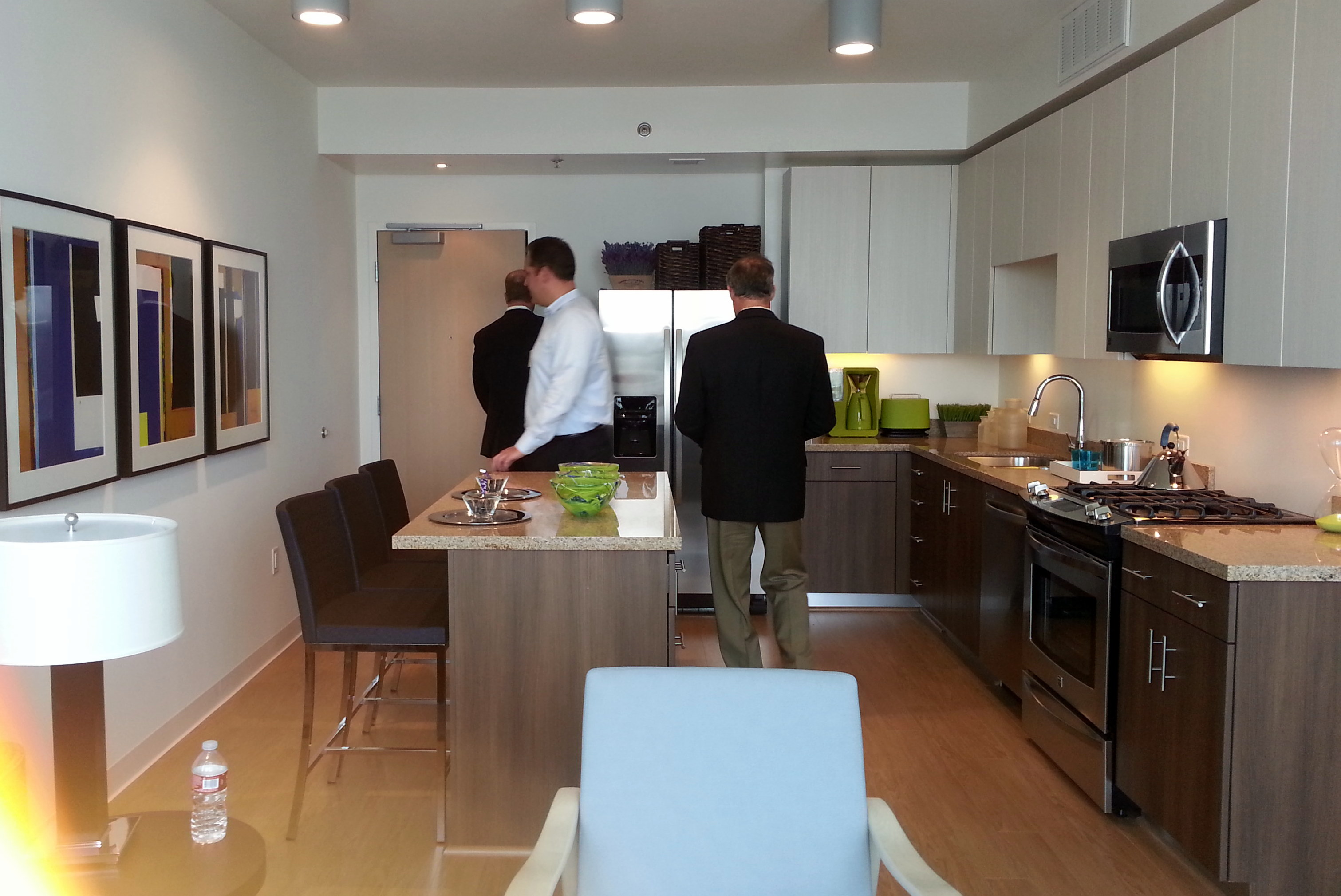
In the Living Room Looking Toward the Kitchen Eating Bar in the Vermont One Bedroom

In the Living Room Looking Toward the Kitchen Eating Bar in the Vermont One Bedroom

Instead, the dining room is replaced with an eating bar in the kitchen.

Creative Apartment Space is Born with Deconstructed Open Wood Ceiling

We just gave birth to a full creative apartment unit renovation at our new project at 1306 Temple Street in Echo Park.  At 580 square feet, the one bedroom unit has full deconstructed open wood ceilings.  We stripped off the drywall ceiling of a 1920 apartment unit and left the wood lumber exposed.  To accomplish this, we installed new finished doug fir plywood just above the existing wood ceiling frame. The result was to create a loft look in only 580 square feet.  Due to City laws, most one bedroom loft like apartment units (with wood ceilings)  in Los Angeles are much larger. Creating this unit may seem easy, but it was very difficult because it had never been done before.

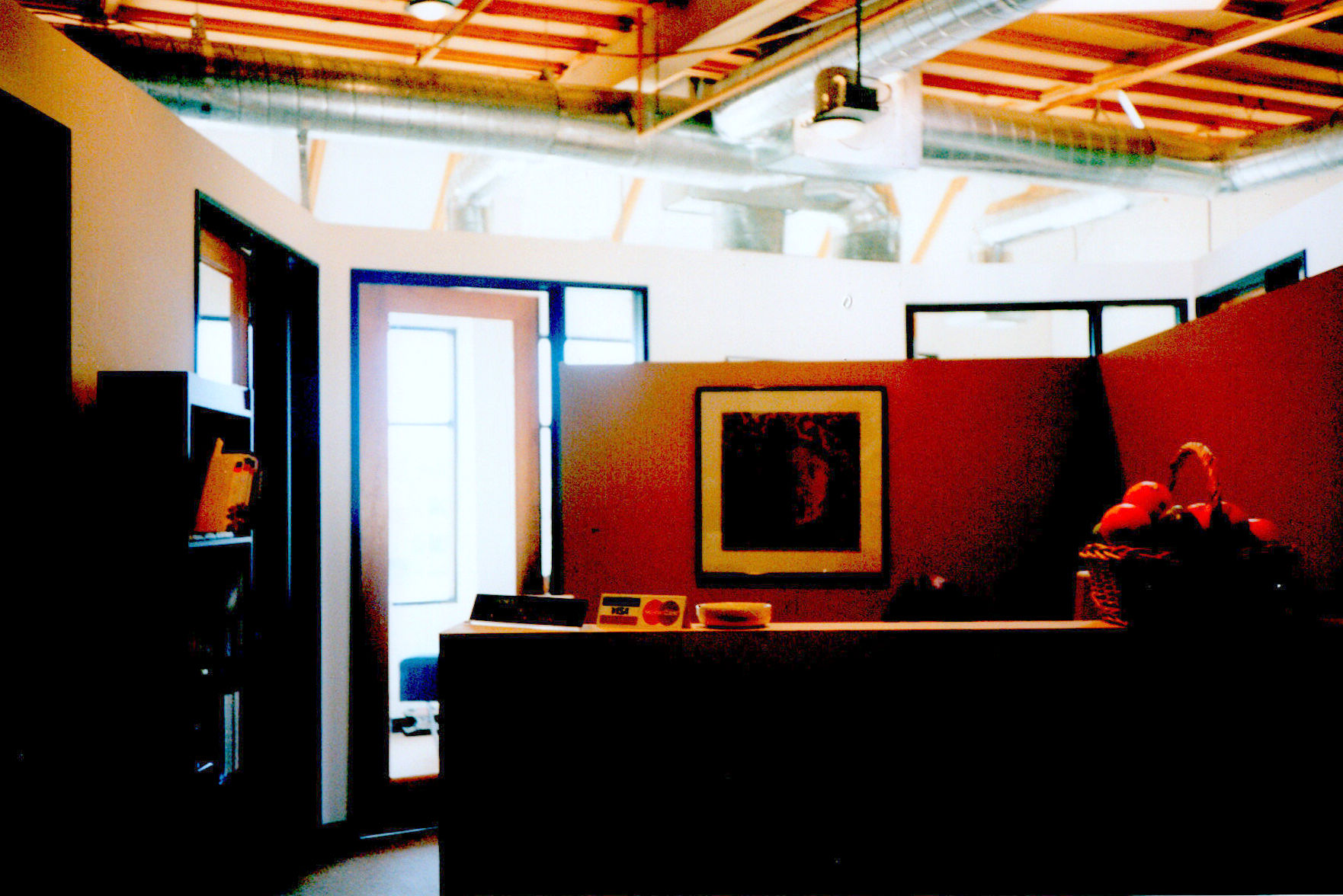
A number of dubious team members worried the city fire codes would not allow an open ceiling, or it could not be framed.    Eighteen years ago, we faced a similar challenge.  We proposed to strip the acoustic tile from an existing 1000 square foot office suite and create an open wood ceiling with rigid ducting and skylights.  In other words, we wanted to create a creative office in a conventional 3 story office building.

First Wood Open Ceiling in a Conventional 1982 Office Building, 720 Wilshire, Santa  Monica

First Wood Open Ceiling in a Conventional 1982 Office Building, 720 Wilshire, Santa Monica

.  No one had done this before in Los Angeles. The first prospect loved the space but asked when the ceiling was going in.  Shortly, we had multiple offers for the space.  Again, the first one was hard, but the rest is history.

Below is how the 1920 apartment unit, with drywall ceilings, looked  before our renovation..

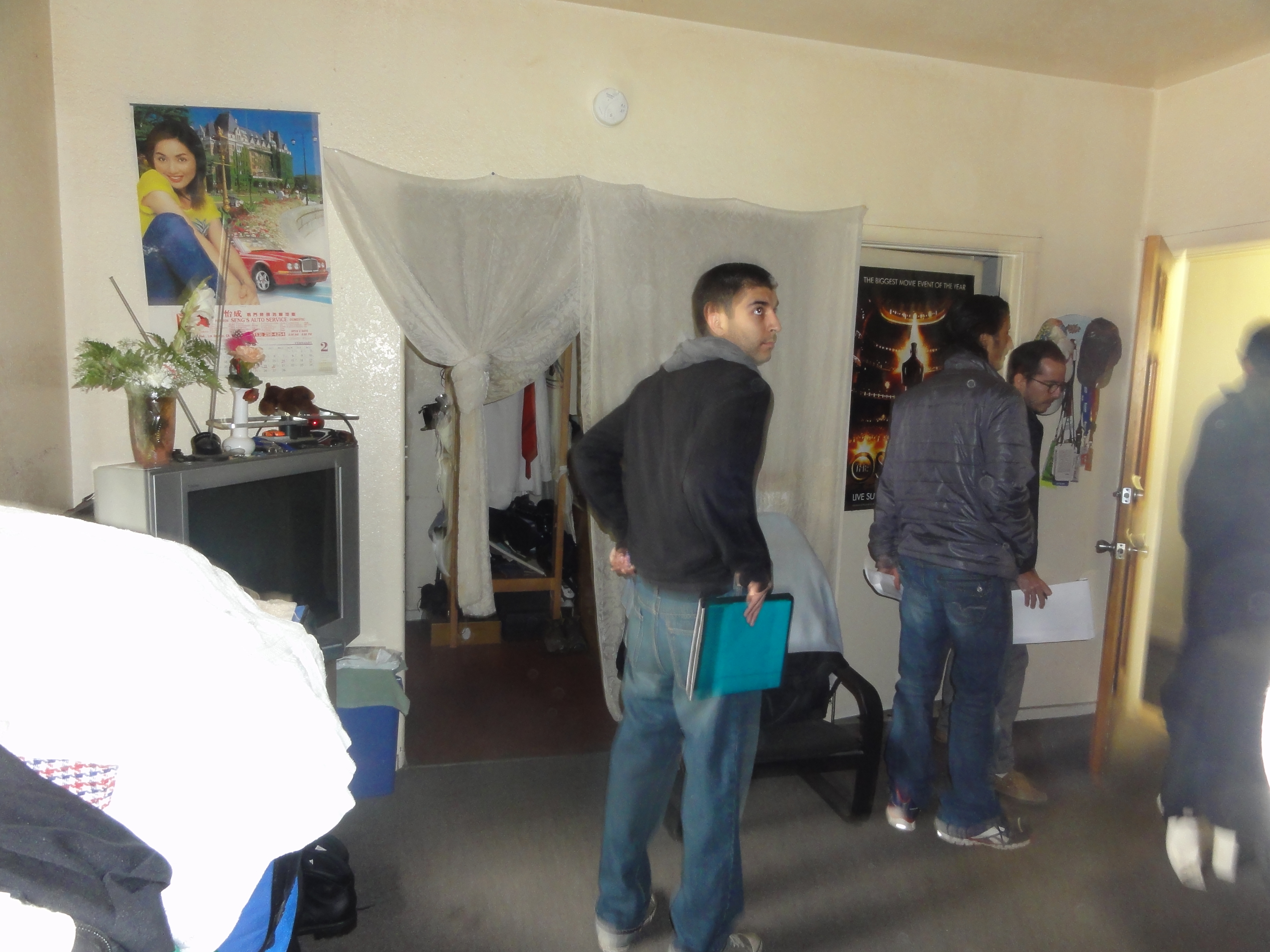
Unit Before Renovation

Unit Before Renovation

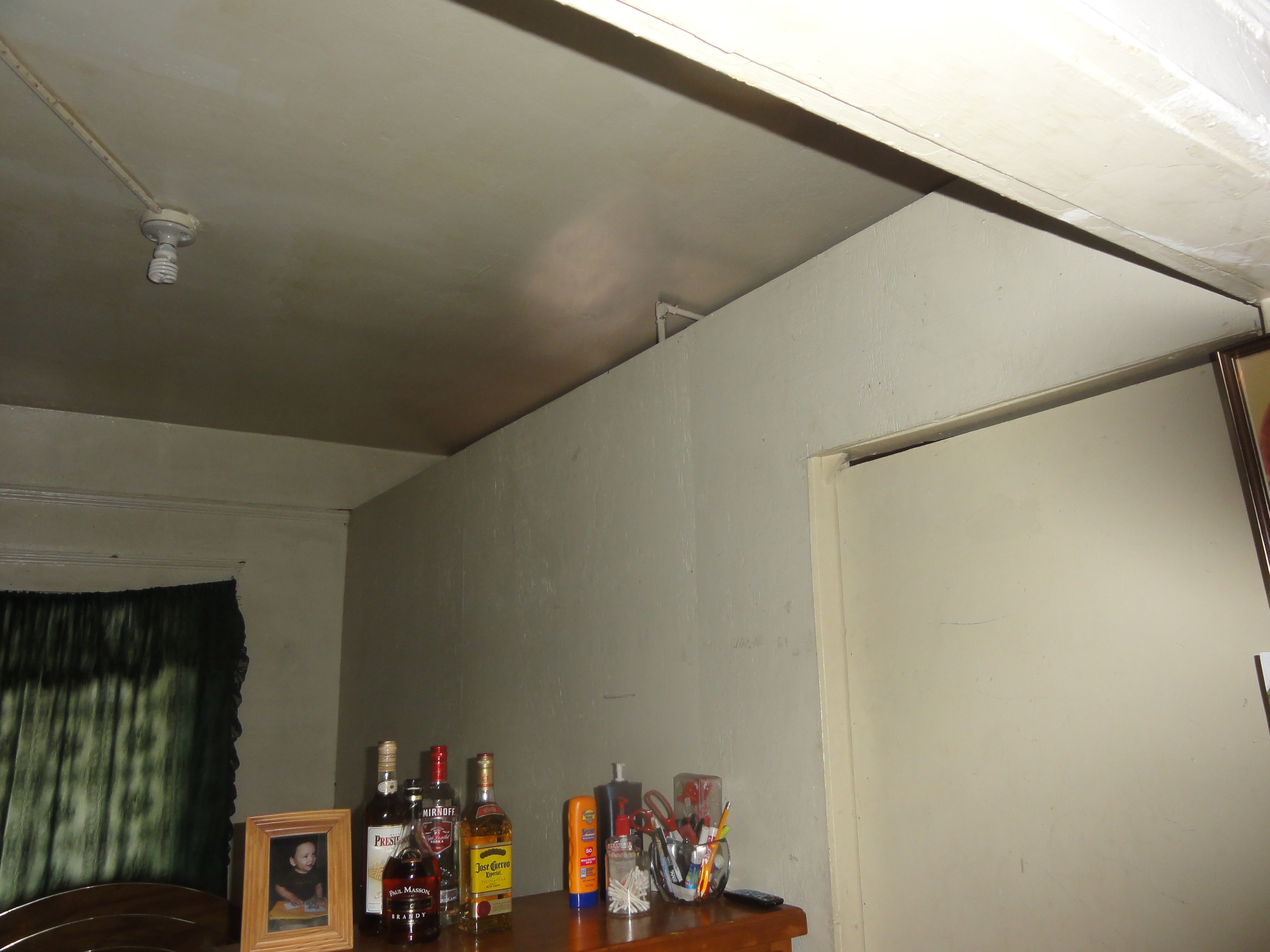
Here is a close up of the ceiling before deconstruction:

Original Drywall Ceiling Prior to Deconstruction

Original Drywall Ceiling Prior to Deconstruction and Renovation

Below is the unit after renovation: a loft looking creative apartment unit with the new deconstructed open wood ceilings.

After Renovation with New Deconstructed Open Wood Ceiling

After Renovation with New Deconstructed Open Wood Ceiling

Congrats to our project designer/manager, Adaptive Realty, our consulting engineer/architect Gwynne Pugh Urban Studios, and  our PMI team.


Shrinking Security Deposits Could Make the Next Downturn Tough for Creative Office Landlords

security deposit

Creative office landlords are having a difficult time getting security from tenants in the creative field.  One of the major drivers of creative office, especially in San Francisco, is the technology industry.  Start up companies, whose survival depends on continued venture capital funding, compose a very significant component of this market demand. In the dot com bust,  these tech tenants folded like a house of cards.  I lost 13 out of 14 of these tech tenants.  Yes, tech tenants are better capitalized than before.  However, instead of folding in six months, they can last a year or two, maybe. What is different the last time  is that we got whopper security deposits in the form of letter of credits–that ranged from one to three years rent.  Let me tell you, that really helped.  Today, it is hard to get a security deposit equal to six months of rent from these tenants.  Even if you can get more than a 12 month letter of credit–the bankruptcy laws have changed to limit a landlord to only a 12 month rent recovery in bankruptcy–even in the case of a letter of credit.

Also, a lot more creative office is being produced right now.  I don’t even know if the conversions are being counted in the new construction numbers in the brokerage market reports.

Los Angeles did better than San Francisco during the dot com bust since its creative tenancies are more diversified comprised of entertainment, advertising, media, design, and technology. Some landlords are trying to get credit technology companies like Google and Microsoft. But you cannot hold out only for those tenants.